Redington, Author at Redington Solar - Page 13 of 20

Author name: Redington

Redington Solar Calculator

Calculate Your Savings: Solar Calculator with Redington Solar

Are you ready to ditch high energy bills and embrace clean, renewable solar power? Before you make the leap, it’s important to understand the potential savings a solar system for home offers. Redington Solar‘s easy-to-use solar cost calculator simplifies the process, giving you personalized cost estimates and savings projections. How a Solar Cost Calculator Works A good solar cost calculator considers several factors unique to your situation: Location: Where you live influences the amount of sunlight your solar setup receives, directly impacting energy generation. Energy usage: Your monthly electricity bill and energy consumption patterns tell the calculator the solar system size you’ll likely need Equipment preferences: Different types of solar products for home have varying price points and efficiencies. Incentives and rebates: Your area might offer financial incentives that can significantly offset the cost of your solar system. Redington Solar’s Solar Calculator: Your Savings Roadmap Redington Solar’s calculator offers a user-friendly way to visualize the financial benefits of going solar: Quick and easy input: Provide basic information like your location and monthly electricity costs. Personalized results: The calculator generates an estimate of your required system size, installation costs, and potential savings over time. Exploring options: Many calculators allow you to experiment with different panel types or solar products for the home to adjust costs and savings. Beyond the Calculator: Why Redington Solar? Redington Solar stands out as more than just a calculator provider: Expert guidance: Their expert team can interpret your calculator results and create a customized solar rooftop system plan specific to your home’s needs. Comprehensive solutions: With their solar rooftop portal, Redington Solar offers a wide range of solar products to perfectly fit your budget and energy requirements. Installation support: They assist with finding reliable installers to ensure your solar system is set up safely and efficiently. Take the First Step Towards Solar Savings Don’t let the upfront cost of solar deter you. With Redington Solar‘s solar cost calculator, you can understand your potential savings and see why solar energy is a smart long-term investment. Calculate your solar potential today! Visit Redington Solar’s website and start saving.
Affordable Solar

Affordable Solar: Your Home Price Guide with Redington Solar

Harnessing the sun’s power is a smart investment for your home and the environment. With rising energy costs, solar energy is a reliable solution, but the initial cost can sometimes seem like a roadblock. This blog explores how to make affordable solar energy affordable and how Redington Solar can help you calculate the costs and benefits for your home. Understanding Solar Panel Costs The biggest factor influencing your solar system’s price is its size, determined by your energy usage habits. Here’s a general breakdown to get you started: Small homes: Smaller homes with lower energy usage may only need a smaller solar power system with a correspondingly lower price tag. Large homes: Larger homes that consume more power require more extensive systems. This increases the associated costs. Energy habits: If you actively conserve energy or run energy-intensive appliances, your system size (and therefore price) will need to be adjusted. Factors Affecting Residential Solar Prices Besides system size, other variables influence your total cost: Equipment: High-efficiency solar panels and associated components like inverters and batteries come with a higher upfront cost but may have greater long-term savings potential. Installation: Professional installation is essential for safety and system efficiency. Labor costs can vary depending on your region and your roof’s complexity. Incentives and rebates: Government and local utility companies often offer rebates and incentives which can greatly reduce your overall expenses. Why choose Redington Solar? Redington Solar provides customized solar products and home solar solutions to fit your specific needs and budget. Here’s how they help with affordability: Personalized consultations: Redington Solar’s experts analyze your energy consumption and create a tailored solar system plan with an accurate price estimate. Financing options: They may offer flexible payment plans and assist you in exploring financing for your solar power solution. Potential savings: Not only do you start saving on energy bills, but a solar system can increase your home’s resale value. The Bottom Line Going solar is an investment in energy independence and a cleaner future. While the initial outlay can seem substantial, the long-term benefits, rebates, and financing options can make it an incredibly wise financial decision for many homeowners. Redington Solar helps you navigate the process, ensuring you get the right solar panel system at a price that works for you. Ready to get your personalized solar quote? Contact Redington Solar today and let the sun power your home!

Maharashtra's Agri-Solar

Maharashtra’s Agri-Solar Revolution | Redington Solar

Maharashtra is spearheading a unique renewable energy initiative – Maharashtra’s Agri-Solar – that blends agriculture and solar power generation. This innovative approach promises to transform farming in the state, providing benefits for farmers, the environment, and Maharashtra’s energy landscape. Understanding Agri-Voltaics  Agri-voltaics involves the dual-use of land for both solar power generation and crop cultivation. Here’s how it works:  Elevated Solar Panels: Solar panels are installed at an elevated height, allowing enough space beneath them for farming activities.  Shade-Tolerant Crops: Crops that can thrive with partial sunlight are strategically selected for cultivation.  Smart Design: The design ensures optimal sunlight distribution for both the solar panels and the crops.  Benefits of Agri-Voltaics for Farmers  Additional Income: Farmers earn revenue through leasing their land for solar power generation, creating a new income stream.  Reduced Water Needs: The shade from solar panels helps conserve soil moisture, reducing the frequency of irrigation.  Crop Protection: The structure can protect crops from extreme weather events like hailstorms.  Energy for Farm Operations: The generated solar power can be used to run farm equipment like irrigation pumps, reducing dependence on the grid.  Maharashtra’s Agri-Solar Ambitions  Maharashtra’s government is actively promoting agri-voltaics as part of its larger renewable energy goals. The state’s ample sunlight and vast agricultural lands make it an ideal location. Key aspects of this initiative include:  Pilot Projects: Successful pilot projects have demonstrated the viability and benefits of agri-voltaics in Maharashtra’s climate.  Focus on Farmers: Policies aim to ensure farmers receive fair compensation and retain ownership of their land.  Capacity Targets: Maharashtra has ambitious targets to scale up agri-voltaic projects across the state.  Potential Impact  Maharashtra’s agri-solar push holds immense potential to:  Empower Farmers: Augment farmers’ income and improve agricultural efficiency.  Boost Clean Energy: Make a significant contribution to the state’s renewable energy goals.  Promote Sustainable Agriculture: Enhance crop resilience and water conservation within the farming sector.  The Path Forward  Maharashtra’s agri-solar initiative is still in its early stages, but it has enormous potential. To ensure it reaches its full impact:  Awareness Campaigns: Educating farmers about agri-voltaics and its benefits is crucial.  Research & Development: Continued research into suitable crops and optimal agri-voltaic designs is needed.  Financing Support: Providing farmers with financing options for agri-voltaic systems can boost adoption.  Conclusion  Maharashtra’s agri-solar push exemplifies the power of innovation in the renewable energy sector. This initiative has the potential to revitalize agriculture while contributing to a cleaner, greener future for the state. 

Solar Manufacturing

India’s Race to Become a Solar Manufacturing Giant | Redington Solar

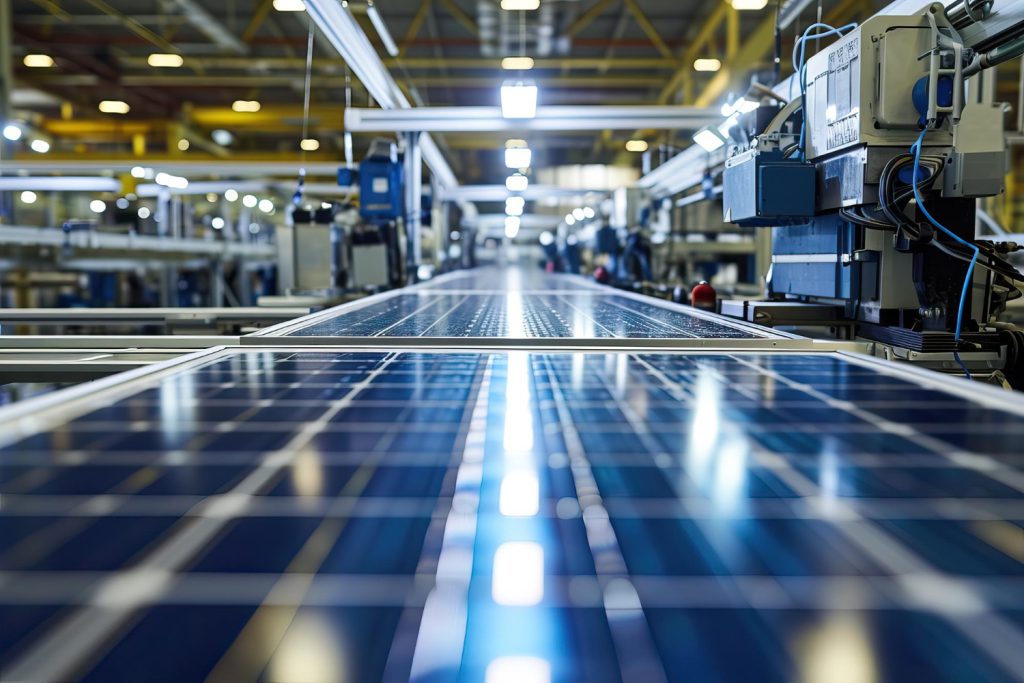
India’s ambitions to become a global solar energy leader extend beyond simply generating power from the sun. The country is racing to establish itself as a major solar manufacturing powerhouse with a target of achieving 100 GW of domestic manufacturing capacity by 2026, amidst the backdrop of “India’s Race to Become a Solar Manufacturing Giant”. Let’s delve into the government’s policies fueling this drive, the roadblocks faced by Indian manufacturers, and the outlook for the industry. Government Policies Driving Solar Manufacturing  Production-Linked Incentive (PLI) Scheme: A major thrust comes from the PLI scheme for solar PV modules. This scheme provides financial incentives to manufacturers based on their production volumes, incentivizing domestic production.  Basic Customs Duty (BCD) on Imports: The imposition of BCD on imported solar cells and modules makes domestic options more price-competitive, encouraging the use of locally made components.  Approved List of Models and Manufacturers (ALMM): The ALMM mandates that only government-approved solar modules and manufacturers are eligible for use in government-backed projects, boosting the credibility of domestic players.  Focus on R&D: The government is encouraging research and development in solar technology to enhance the efficiency and competitiveness of Indian manufacturers.  Challenges Faced by India’s Solar Manufacturers  Global Competition: Indian manufacturers face intense competition from China, which dominates the global solar manufacturing market.  Technological Gaps: Limited access to cutting-edge technology can hinder the ability of Indian players to produce the most efficient and cost-effective solar panels.  Raw Material Access: Securing a stable supply of raw materials like polysilicon at competitive prices can be a challenge.  Financing Costs: Accessing affordable financing for large-scale manufacturing facilities can be an obstacle for some manufacturers.  The Future of India’s Solar Manufacturing  Despite challenges, the outlook for India’s solar manufacturing sector appears promising. Here’s why:  Growing Domestic Demand: India’s own ambitious solar energy targets will create a huge domestic market, providing a solid demand base for local manufacturers.  Global Supply Chain Shifts: International efforts to diversify supply chains and reduce reliance on China could benefit Indian solar manufacturers.  Policy Support: The government’s continued focus on bolstering domestic solar manufacturing is likely to address existing hurdles.  The Path to Success  India’s success in becoming a solar manufacturing giant will depend on addressing these key areas:  Technological Advancement: Investing in R&D and partnering with international leaders for technology transfer will help India close the technological gap.  Scaling Up Production: Indian manufacturers need to focus on achieving economies of scale to compete on price effectively.  Supply Chain Resilience: Developing a robust domestic supply chain for raw materials and components is crucial to reduce import dependencies.  Conclusion  India’s push to become a solar manufacturing hub is a bold move with the potential to transform the country’s energy landscape and propel economic growth. While challenges exist, the government’s commitment, coupled with growing domestic demand and potential shifts in the global market, present a promising scenario for the future of Indian solar manufacturing. 

Solar-Powered Street Lighting

Solar-Powered Street Lighting: Implementation & Benefits

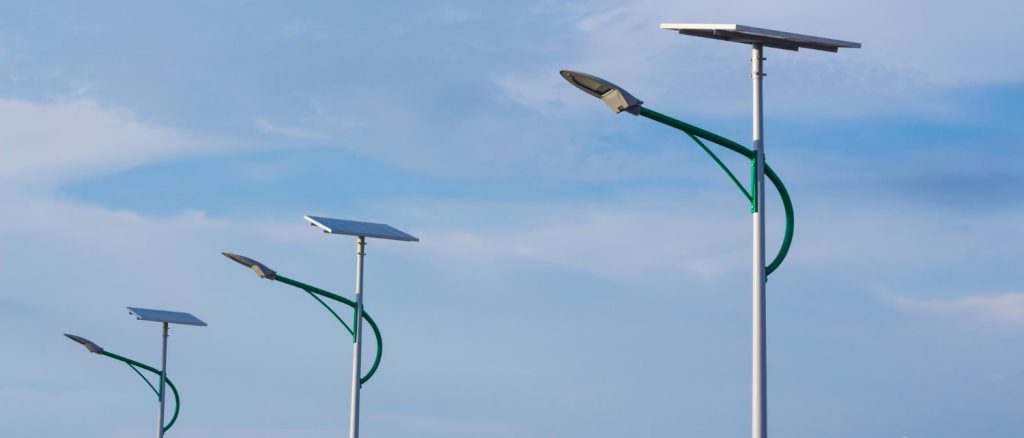
As concerns about climate change and rising energy costs intensify, cities and municipalities are turning towards solar-powered street lighting as a shining beacon of sustainability and efficiency. This innovative technology operates by harnessing the sun’s energy, converting it into electricity through solar panels. This stored energy then powers high-efficiency LED lights, offering a multitude of benefits. For one, solar street lights drastically reduce a community’s carbon footprint by eliminating reliance on fossil-fuel-based electricity.  They operate independently of the grid, guaranteeing reliable illumination even during power outages –  a significant advantage in areas prone to disruptions. Additionally, the lifespan of LED fixtures and the self-sufficient nature of solar lighting systems significantly reduce maintenance needs, resulting in substantial long-term cost savings for communities.  Implementing Solar-Powered Street Lighting  Here’s a breakdown of how solar street lights work and what to consider during installation:  The Core Components:  Photovoltaic Panels: Transform sunlight into usable electricity.  Battery: Stores excess energy for nighttime illumination.  Charge Controller: Regulates energy flow to protect the battery.  LED Luminaires: Offer energy-saving, long-lasting lighting.  Optional: Motion Sensors Optimize energy use by adjusting brightness based on presence. Key Considerations  Sunlight Access: Strategic placement is crucial for optimal solar panel performance.  Technology Choices: Select reputable solar components for durability and efficiency.  Upfront Cost vs Savings Initial investment may be higher, but long-term benefits are vast.  The Shining Benefits of Solar Street Lighting  Championing Sustainability: Significantly reduces carbon emissions by replacing fossil-fuel-based power.  Contributes to improved air quality and climate action initiatives.  Realizing Cost Savings:  Eliminates ongoing electricity bills for streetlights.  Requires minimal maintenance due to the longevity of LED lights and self-sufficiency Gaining Energy Independence:  Immune to grid failures and power outages, ensuring reliable illumination.  Perfect for remote or off-grid locations. Prioritizing Safety:  Well-lit streets boost visibility, enhancing safety for drivers and pedestrians.  Reduces potential for crime and accidents. Smart City Ready:  Integrations with motion sensors and smart controls optimize energy usage.  Potential to incorporate data collection and monitoring features.  Looking Ahead  Solar-powered street lighting is an investment in a more sustainable, resilient, and cost-effective future for our cities. As technological advancements drive innovation and costs decrease, the adoption of solar street lights will become an even more compelling choice for municipalities across the globe. 

Solar Smart Homes

Solar Smart Home to Make World a Greener Planet

Solar smart home technology are a powerful combination that can revolutionize the way you power your home. Integrating these systems allows you to reduce energy consumption, lower energy bills, and contribute to a greener planet. Let’s explore how to build an energy-efficient future with this dynamic duo. The Benefits of Solar Smart Home Clean and Abundant Energy: Solar panels harness the sun’s energy to generate clean, renewable electricity, significantly reducing your household’s carbon footprint. Maximize Savings: Smart home devices automate lighting, appliances, and temperature control, optimizing energy usage. Combining this with solar energy further cuts energy costs. Enhanced Energy Management: Smart home systems and solar energy monitoring platforms provide real-time data on energy production and consumption patterns. This empowers you to make informed decisions for greater efficiency. Resilient Power: In the event of a power outage, smart home systems with solar and battery storage can create your own microgrid, ensuring power when you need it most. How to Integrate Solar Smart Homes Technology Smart Devices: Invest in energy-efficient smart devices such as smart thermostats, smart plugs, motion-sensor lighting, and smart appliances. Home Energy Management System (HEMS): A HEMS acts as the brain of your solar + smart home setup, allowing you to monitor energy flow and program automation for optimal usage. Solar Monitoring: Utilize solar monitoring tools to track your solar panels’ energy production, identify efficiency patterns, and make better decisions. Energy Storage: Consider adding energy storage solutions like batteries to capture excess solar energy and use it during peak hours or power outages. Tips for Optimal Solar Smart Home Integration Start Small: Begin by adding a few smart devices and gradually expand your system for manageable integration and monitoring. Compatibility Matters: Ensure your selected smart home devices are compatible with your solar system and HEMS for seamless integration. Customization is Key: Program energy-saving rules and automations based on your specific household needs and usage patterns. The future of energy is both solar smart homes is the world a greener planet. By strategically combining these technologies, you’ll unlock unparalleled energy control, reduce your environmental impact, and live in a more sustainable, cost-effective home.

Solar Panel Imports vs. Domestic Manufacturing

Solar Panel Imports vs Domestic Manufacturing | Redington Solar

India’s ambitious clean energy goals rely heavily on solar power. However, the path to achieving them is illuminated by a fierce competition: cheap solar panel imports vs. domestic manufacturing industry. Let’s explore the government’s push for domestic manufacturing, the need for a balanced approach, and the future of a self-reliant solar sector in India.  The Challenge of Cheap Imports  Flooded with inexpensive solar panels, primarily from China, the Indian market has benefitted from lower costs for solar power generation. However, this has come at a cost to domestic manufacturers who struggle to compete on price. This import dependency weakens India’s energy security and hinders the creation of high-skilled jobs in the solar sector.  Government’s Push for Domestic Manufacturing  Recognizing these challenges, the Indian government has implemented several policies to boost domestic manufacturing:  Production-Linked Incentive (PLI) Scheme: This scheme offers financial incentives to manufacturers based on their production volumes, making domestic production more attractive.  Basic Customs Duty (BCD) on Imports: Imposing a BCD on imported solar cells and modules increases the price of imported panels, giving domestic manufacturers a price advantage.  Approved List of Models and Manufacturers (ALMM): This list ensures that only government-approved solar modules and manufacturers are used in government-backed projects, boosting the credibility of domestic players.  The Need for Balance  While these policies are crucial for nurturing a domestic industry, a complete import ban can be counterproductive. Here’s why a balanced approach is necessary:  Maintaining Cost Competitiveness: Overly restrictive measures can lead to higher solar power costs, hindering the adoption of solar energy and impacting India’s renewable energy goals.  Technological Advancement: Access to cutting-edge technology from global players can help India bridge the technological gap and produce more efficient solar panels.  Healthy Competition: Competition fosters innovation and keeps domestic manufacturers on their toes, ensuring they offer high-quality products at competitive prices.  The Future of a Self-Reliant Solar Industry  India’s vision of a self-reliant solar industry relies on a multi-pronged approach:  Technological Upgradation: Investing in research and development (R&D) will propel Indian manufacturers towards producing high-efficiency solar panels at competitive costs.  Skilled Workforce Development: Building a skilled workforce is crucial to operate and maintain sophisticated manufacturing facilities.  Sustainable Supply Chain: Establishing a robust domestic supply chain for raw materials will reduce dependence on imports and price fluctuations.  Conclusion  India’s journey towards a self-reliant solar industry requires a strategic balance between promoting domestic manufacturing and ensuring cost-competitiveness amid solar panel imports vs. domestic manufacturing industry. By nurturing a healthy ecosystem of domestic and international players, India can harness the power of the sun to achieve its clean energy goals and become a global solar leader.

Savitri Devi Poly Fabric Project

Savitri Devi Poly Fabric Project- Solar Solutions | Redington Solar

Redington Solar is excited to announce our recent collaboration with Suntrik Solar on a landmark solar project for Savitri Devi Poly Fabric in Hyderabad, Telangana. This forward-thinking textile manufacturer demonstrates the immense potential of solar power in India’s industrial sector, showcasing how solar solutions can lead to cost savings and a greener footprint. Project Spotlight: Savitri Devi Poly Fabric’s Solar Transformation Capacity: The robust 243 kW solar plant is comprised of high-efficiency Trina 455 solar panels, designed to significantly offset the facility’s energy consumption. Impact: This project will not only contribute to a more sustainable future but also promise substantial energy cost savings for Savitri Devi Poly Fabric, boosting operational efficiency and competitiveness. Location: Hyderabad, Telangana, a rapidly growing industrial hub in India, provides the perfect backdrop to emphasize the value of solar energy adoption within the manufacturing landscape. Redington Solar: Driving the Renewable Energy Revolution As a leading player in India’s solar industry, Redington Solar is dedicated to providing customized solar solutions that address the unique needs of our clients. Our expertise played a key role in the success of this project: Technical Excellence: We prioritize exceptional solar project design, engineering, and meticulous execution. Quality Assurance: Our commitment to top-tier solar components, including Trina solar panels, guarantees system longevity and reliable performance. Partnership Approach: Seamless collaboration with Suntrik Solar ensured a streamlined project rollout with outstanding results. The Future of Manufacturing is Solar-Powered The Savitri Devi Poly Fabric project highlights Redington Solar’s commitment to propelling the adoption of renewable energy solutions across diverse industries in India. We believe that solar energy is the key to building a sustainable, cost-effective, and resilient future for businesses across the nation. Is your organization ready to explore the benefits of solar power in India? Contact Redington Solar today. Discover how we can help you harness the sun’s energy, optimize energy costs with our solar energy solutions, and proactively transition towards a more sustainable model.  

Solar Powers Sustainable

Redington Solar Powers Sustainable Jute Mill Sustainably

Redington Solar is thrilled to share details of our recent collaboration with Antyodaya Ujas Pvt Ltd. This landmark project involved the successful installation of a state-of-the-art 200 kW solar power system at a historic jute mill in Howrah, West Bengal. By merging a rich industrial heritage with a commitment to sustainability, this project (equipped with solar panel for 200 watts) serves as a powerful example of solar power in India transforming the manufacturing sector. Redington Solar Powers Sustainable Solution for a Greener Future Project Spotlight: The Jute Mill’s Solar Journey Capacity: The 200 kW solar plant, equipped with two robust Growatt 100 kW inverters, is engineered to significantly reduce the mill’s reliance on traditional energy sources and minimize its carbon footprint. Impact: This project isn’t just about going green; it also promises major energy cost savings for the jute mill, boosting its operational efficiency and competitiveness in the Indian market. Location: Howrah, West Bengal, a hub of industrial activity, is a perfect location to showcase the potential of solar energy solutions for manufacturing in India. Redington Solar – Driving Renewable Energy Innovation Redington Solar, a trusted name in the Indian solar industry, is dedicated to delivering innovative and customized solar solutions tailored to specific client requirements. This project highlights our expertise in: Technical Excellence: Comprehensive project design, engineering, and execution for optimal solar energy solutions. Quality Assurance: We only use top-quality solar components, including high-efficiency Growatt inverters, to ensure system performance and long-term reliability. Partnership Approach: Our close collaboration with Antyodaya Ujas Pvt Ltd ensured a seamless project rollout and exceptional results focused on solar power in India. The Future is Solar-Powered The Jute Mill project showcases Redington Solar’s commitment to accelerating the adoption of renewable energy solutions, including solar panel for 200 watts, across India’s diverse industries. We firmly believe that solar energy is essential to building a sustainable, cost-effective, and resilient future for businesses and communities nationwide. Are you considering the benefits of solar power in India for your organization? Leading solar powers sustainable Solutions from Redington. Reach out to Redington Solar today. Discover how we can help you harness the sun’s energy, optimize your energy costs with solar energy solutions, and proactively contribute to a greener future.

Mythbusting Solar Energy

Mythbusting Solar Energy | Redington Solar

Solar energy is a powerful and accessible renewable energy source, yet many misconceptions persist about its effectiveness and practicality. These misunderstandings can create an unnecessary barrier to widespread solar adoption. Let’s debunk some of the most common myths and set the record straight. Explore the truth with our Mythbusting Solar Energy guide. Myth #1: Solar Power is Too Expensive Reality: The cost of solar panels has plummeted in recent years, making them far more affordable than ever before. With tax credits, incentives, and financing options widely available, the upfront costs can be significantly offset. Solar power offers long-term energy savings, ultimately paying for itself over time. Myth #2: Solar Panels Only Work in Sunny Climates Reality: While solar panels are most efficient with direct sunlight, they still generate electricity on cloudy days, and even in snowy climates. Modern solar technology can effectively harness diffused light. Areas with varying weather conditions can still reap significant benefits from solar power. Myth #3: Solar Panels Require Too Much Maintenance Reality: Solar panels are designed to be durable and low-maintenance. Rain naturally helps wash away most dust and debris. Occasional light cleaning might be necessary, but professional upkeep is usually only needed annually or less frequently. Myth #4: My Home Isn’t Right for Solar Reality: Solar power solutions can be adapted to various roof types and sizes. If your roof isn’t ideal, ground-mounted solar arrays might be a great alternative. Today’s solar solutions are versatile, making them suitable for a broader range of homes than people think. Myth #5: Solar Power Won’t Work During Power Outages Reality: While standard grid-tied solar systems automatically shut down during outages for safety, adding battery storage allows you to store excess solar power. This creates a backup power source during blackouts, keeping essential appliances running. The Truth About Solar Power Environmentally-Friendly: Solar power significantly reduces your carbon footprint, contributing to a cleaner and healthier planet. Reliable Energy Source: Solar panels are incredibly durable and with proper maintenance, can provide clean electricity for decades. Financial Savings: Solar power can significantly lower your energy bills over time, adding real value to your property. Discover the real facts about solar energy with our comprehensive Mythbusting Solar Energy guide. We delve into common misconceptions and debunk myths surrounding solar power, providing clear and accurate information to help you make informed decisions about renewable energy. Our guide covers topics such as solar panel efficiency, cost-effectiveness, environmental impact, and the feasibility of solar energy in different geographic locations. By separating fact from fiction, we empower you to embrace solar energy confidently and harness its benefits for a sustainable future. It’s time to embrace the potential of solar energy. Don’t let these myths hold you back from experiencing the advantages of clean, affordable, and reliable power!

Contact Us