Redington, Author at Redington Solar - Page 6 of 20

Author name: Redington

12.Exploring the Global Solar Energy Market Opportunities and Challenges

Exploring the Global Solar Energy Market: Opportunities & Challenges

The global solar energy market is expanding rapidly. As countries seek cleaner and more sustainable energy sources, solar power has emerged as a leading option. This blog will explore the opportunities and challenges within the solar energy market, shedding light on its potential to transform the energy landscape. The Growth of Solar Energy Solar energy is the fastest-growing source of renewable energy in the world. According to the International Energy Agency (IEA), global solar energy capacity reached over 1,000 gigawatts (GW) in recent years. This growth is driven by falling costs, technological advancements, and increasing awareness of climate change. Solar panels convert sunlight into electricity, making them a clean and renewable energy source. As governments worldwide set ambitious climate goals, many are investing heavily in solar energy. Countries like China, the United States, and Germany are leading the way, implementing policies to encourage solar adoption and innovation. Opportunities in the Solar Energy Market Cost Reductions One of the biggest opportunities in the solar energy market is the significant reduction in costs. The price of solar panels has dropped dramatically over the past decade, making solar energy more accessible to businesses and homeowners. According to reports, the cost of solar photovoltaic (PV) systems has decreased by more than 80% since 2010. This trend is likely to continue, attracting more investors and users to solar energy. Technological Advancements Innovation in solar technology is another key driver of growth. New materials, such as perovskite, have the potential to increase solar panel efficiency and reduce costs further. Battery storage technology is also improving, allowing users to store excess energy generated during the day for use at night. This development makes solar energy a more reliable power source, increasing its appeal for residential and commercial users. Government Incentives Many governments offer incentives to promote solar energy adoption. These incentives can include tax credits, grants, and feed-in tariffs, which guarantee a fixed price for electricity produced from solar panels. Such policies lower the financial barriers for individuals and businesses considering solar energy, encouraging more widespread adoption. Growing Demand for Clean Energy As awareness of climate change increases, so does the demand for clean energy. Consumers are increasingly seeking sustainable options for their energy needs. Solar energy provides a way to reduce carbon footprints and contribute to a cleaner environment. This growing demand opens up new markets for solar companies, leading to more job creation and economic growth. Decentralization of Energy Production The rise of decentralized energy production is another opportunity for solar energy. With rooftop solar panels, individuals can generate their electricity, reducing reliance on the grid. This trend not only empowers consumers but also helps to create a more resilient energy system. Challenges Facing the Solar Energy Market Despite the numerous opportunities, the solar energy market faces several challenges that must be addressed for continued growth. Intermittency Issues Solar energy production is dependent on sunlight, which can be intermittent. Cloudy days, nighttime, and seasonal variations can affect energy generation. While battery storage technology is improving, it is not yet widespread or affordable enough to solve this issue entirely. Energy reliability remains a concern for potential solar users. Initial Investment Costs Although costs have decreased, the initial investment for solar panels and installation can still be high for some individuals and businesses. This upfront cost can deter many potential customers. While financing options exist, they may not be accessible to everyone, particularly in developing regions. Regulatory Barriers The solar energy market is often subject to complex regulations that can hinder growth. Different countries and regions have varying policies regarding solar energy, which can create confusion and barriers for companies trying to operate across borders. Streamlining regulations and creating a consistent framework could help alleviate these challenges. Competition from Fossil Fuels While the shift toward renewable energy is gaining momentum, fossil fuels still dominate the global energy market. In many regions, fossil fuel prices remain low, making it difficult for solar energy to compete on a cost basis. Transitioning to a renewable energy economy will require time and effort to overcome this entrenched competition. Public Perception and Awareness Although awareness of solar energy is growing, misconceptions still exist. Some individuals may believe that solar energy is not a viable option for their homes or businesses due to geographical limitations or high costs. Educational campaigns that highlight the benefits and possibilities of solar energy can help change public perception. Conclusion The global solar energy market presents a wealth of opportunities for growth and innovation. With declining costs, technological advancements, and increasing demand for clean energy, solar power is positioned to play a crucial role in the future of energy. However, challenges such as intermittency, initial investment costs, and regulatory barriers must be addressed. As we move forward, collaboration between governments, businesses, and consumers will be essential to unlocking the full potential of solar energy. By working together, we can create a sustainable energy future that benefits everyone, contributing to a cleaner planet and a more resilient energy system. The solar energy market is more than just a trend; it is a vital part of our global transition toward renewable energy.

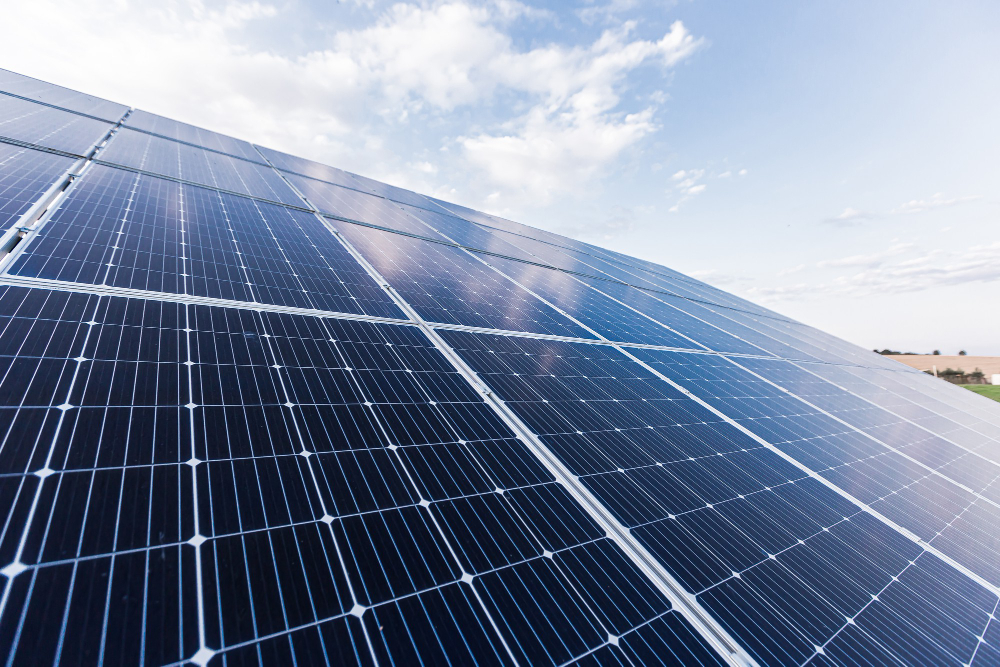
Solar Technologies for Commercial Applications

Exploring New Solar Technologies for Commercial Applications

The rise of solar power has been one of the most exciting developments in renewable energy, particularly for businesses. As technology evolves, new solar innovations are changing how commercial spaces generate and manage energy. For companies looking to reduce operational costs and minimize their environmental impact, solar energy offers a viable solution. In this blog, we’ll explore new solar technologies for commercial applications and how they are reshaping the business landscape. The Importance of Solar for Commercial Applications Commercial solar solutions are becoming increasingly popular for businesses of all sizes. Whether it’s a small startup or a large corporation, adopting solar energy helps reduce electricity costs and supports sustainability efforts. Commercial buildings often have large rooftops or parking lots, which provide ample space for solar installations. Utilizing these areas allows businesses to generate their power, reducing dependence on the grid and lowering energy bills. With governments offering incentives and the costs of solar installations decreasing, now is the perfect time for businesses to invest in solar technology.  Innovative Solar Panel Designs One of the key developments in commercial solar solutions is the evolution of solar panel designs. Traditional photovoltaic (PV) panels have been the standard for years, but new designs are pushing the boundaries of efficiency and space utilization. For example, bifacial solar panels are gaining attention in commercial applications. Unlike traditional panels that only capture sunlight on one side, bifacial panels capture sunlight from both sides, increasing their efficiency by up to 30%. This is especially useful in areas where sunlight can reflect off surfaces like concrete or water, further boosting energy generation. For businesses with limited roof space, bifacial panels can help maximize energy output without requiring additional installations. Another exciting innovation is the development of transparent solar panels. These panels can be integrated into building windows, turning them into solar energy-generating surfaces. This technology is particularly useful for businesses with glass buildings, as it allows them to generate power without compromising on aesthetics.  Solar Tracking Systems for Businesses Solar tracking systems are another major advancement in commercial solar technology. These systems adjust the position of solar panels throughout the day to follow the sun’s movement. By doing so, the panels are always angled to capture the maximum amount of sunlight, which significantly boosts energy production. For businesses that rely on consistent energy output, solar tracking systems can increase efficiency by 15-30% compared to fixed solar installations. While tracking systems can be more expensive to install, the long-term benefits in terms of energy generation and cost savings often outweigh the initial investment. Many commercial solar installations now include tracking systems to ensure optimal energy production year-round. Energy Efficiency Technologies Harnessing solar power is only one part of the equation. To truly optimize energy use, businesses must also invest in energy efficiency technologies. Solar energy management systems are becoming a critical component of commercial solar applications. These systems monitor and control energy usage in real time, ensuring that businesses use their solar power in the most efficient way possible. Solar energy storage has also seen significant advancements. Battery storage solutions, such as lithium-ion batteries, are becoming more affordable and scalable, making them accessible for commercial use. By storing surplus solar energy during the day, businesses can tap into this reserve during cloudy days or at night, ensuring a continuous power supply. This not only improves energy reliability but also enhances the financial benefits of going solar. Solar Energy Management Systems With a solar energy management system, businesses can track their energy production and usage patterns, ensuring that they get the most value from their solar investment. This technology is particularly useful for businesses that experience fluctuating energy demands. For example, a manufacturing facility may use more energy during the day, while an office building may have peak energy demand in the morning and afternoon. With a solar energy management system, companies can adjust their solar power use based on their needs, maximizing efficiency. These systems also help companies identify energy inefficiencies and make necessary adjustments, whether it’s scheduling energy use during peak solar hours or storing energy for later use. As a result, businesses can reduce their overall energy consumption, lower their electricity bills, and improve their sustainability efforts. The Future of Solar Technologies for Commercial Applications The future of solar technology for commercial use is bright. With continued advancements in solar panel designs, energy management systems, and storage solutions, businesses have more options than ever before to harness the sun’s power. Innovations like solar-integrated building materials, such as solar windows or solar roofs, are likely to become more common in commercial buildings. These materials will allow businesses to incorporate solar technology into the design of their buildings, rather than relying solely on traditional panels. This could significantly increase the amount of solar energy generated by commercial spaces. Conclusion Exploring new solar technologies for commercial applications reveals exciting opportunities for businesses to generate clean, renewable energy while reducing costs. Innovations in solar panel designs, solar tracking systems, and energy management solutions are transforming how businesses approach energy production and consumption. As solar technology continues to evolve, commercial spaces will become more energy-efficient and sustainable, helping to reduce the environmental impact of business operations. For businesses looking to invest in the future, now is the time to explore the latest solar technologies and take advantage of the benefits they offer. Solar energy is not just a trend—it’s a powerful solution for businesses to achieve long-term success and sustainability.

Off-Grid Living

Why Solar Energy is the Best Option for Off-Grid Living

Off-grid living is a reality that many people consider as a way of escaping the traditional utility companies. Whether it is a dream of having a cabin in the woods, a tiny house in the woods, or a homestead, going off-grid is not an easy task, and one needs to plan and manage resources properly. When it comes to the choice of the energy source, solar energy is the most suitable for people who live off the grid. In this blog, I will be discussing why solar power is the best for people who do not have access to the utility grid. Abundant and Renewable Resource The first and probably the most persuasive argument for using solar energy in off-grid living is the availability of this source of energy and its ability to be replenished. The sun is an unlimited source of energy and can be tapped anywhere as long as there is sunlight. While the conventional sources of energy such as the fossil fuels are scarce and have negative impacts on the environment, solar energy is renewable and environmentally friendly. This way, you are able to guarantee that you are able to have a constant source of energy that is also renewable. Low Operating Costs Solar power systems have very low operating costs once they have been installed. Solar panels are built to last for many years and do not require much attention to be given to them. The only other costs that are incurred after installation are cleaning costs and inverter costs which are relatively low and are incurred after long intervals of time. This is in contrast with other forms of energy that need constant replenishment of fuel or constant maintenance. In off-grid living, where the costs have to be controlled, solar energy is a financially viable option. Independence from Fuel Supply Conventional off-grid power supplies include diesel generators that use fuel which has to be transported and stocked. This can be costly and sometimes physically cumbersome especially when the location of the business is in a remote area. Solar power does not require fuel supplies and storage and is therefore more convenient and reliable than other energy sources. After installing your solar panels, you do not have to worry about the exhaustion of fuel or having to make several trips to fill up tanks. Easy Installation and Scalability Solar power systems are quite easy to install, much easier than other off-grid energy systems such as wind or hydro power. It is possible to begin with a simple system and then add more features as the company evolves. This scalability is especially beneficial for off-grid living because the energy demand may not always be the same. You can expand the number of panels or batteries as you wish without much interference with your living conditions. Minimal Environmental Impact Another advantage of using solar energy is that it has little or no effect on the environment. Solar panels produce electricity without releasing greenhouse gases or other pollutants into the atmosphere. This makes solar power a perfect option for those who would wish to live an eco-friendly life and minimize on the emission of carbon. When the project is located in a remote or a virgin area, the conservation of the natural landscape is usually a factor of concern, and solar energy is the solution. Reliability and Energy Security Solar energy systems are very reliable in their performance. If the system is well designed and there is enough battery storage, then the energy supply is going to be constant and reliable. Solar panels produce electricity in the daytime and with batteries, you can use that electricity at night. This makes sure that you are able to generate electricity even during the days that are cloudy or at night thus making it a secure source of energy for off grid living. Low Maintenance Requirements Solar power systems are one of the most low maintenance energy systems compared to other energy systems. Maintenance is usually done on a routine basis and it entails washing the panels to remove dust and sometimes checking on the efficiency of the system. On the other hand, generators and other off-grid sources of power may be prone to frequent maintenance and repairs. For those who are off the grid, having a low maintenance energy system is a lot less work and more time to enjoy the view. Cost-Effective Over Time While the initial investment in solar panels and related equipment can be significant, the long-term savings are substantial. Over time, the cost of solar energy can be much lower than other off-grid options, particularly when factoring in fuel costs and maintenance. Many people find that the savings on energy bills and the reduced need for fuel make solar power a cost-effective choice in the long run. Increased Property Value Investing in solar energy can also increase the value of your off-grid property. Solar panels are an attractive feature for potential buyers who are interested in sustainable living. As more people recognize the benefits of solar energy, having a solar power system in place can make your property more appealing and potentially lead to a higher resale value. Supports a Sustainable Lifestyle Choosing solar energy aligns with a sustainable lifestyle, which is often a key motivation for going off-grid. By using renewable energy, you reduce your reliance on non-renewable resources and contribute to a healthier planet. Solar power supports your commitment to living sustainably and can help you achieve your off-grid goals while minimizing your environmental impact. Conclusion Solar energy is undoubtedly the best option for off-grid living, offering a range of benefits from abundant and renewable resources to low operating costs and minimal environmental impact. Its reliability, ease of installation, and low maintenance requirements make it a practical and sustainable choice for those seeking independence from conventional utilities. By embracing solar power, you can enjoy the freedom of off-grid living while contributing to a cleaner, more sustainable world.

Cost of Solar Energy for Businesses

Understanding the Cost of Solar Energy for Businesses

Solar energy is now widely embraced by companies who wish to cut on their energy bills and be environmentally conscious. However, before making the transition, business people need to know the expenses that come with putting up and running a solar energy system. This blog post will discuss the cost of solar energy for businesses, what makes these costs variable, and whether or not solar energy is a good investment for your business. 1. Initial Investment: Solar Panel Installation Costs The cost of solar energy system is the cost of solar panels, inverters, mounting hardware and installation cost. This upfront cost can vary widely based on several factors: Size of the System: The size of the solar system you require depends on the amount of energy that you use. This means that the larger the system, the more power it will produce and hence the higher the cost of installation. In order to decide on the appropriate size for your business, you will have to evaluate your current energy consumption and speak with a solar supplier. Type of Panels: Some of the solar panels include monocrystalline, polycrystalline and thin film solar panels. Monocrystalline panels are usually more efficient and slightly more costly when compared to polycrystalline panels. Depending on your choice, the cost of the system will be determined. Installation Complexity: The level of difficulty in the installation may also affect the costs. Accessibility, type of roof, and whether or not there is a need to make structural changes will determine the installation cost. If your building needs special equipment or major changes, then the cost of installation will be higher. 2. Incentives and Rebates: Reducing the Cost To make the solar energy cheaper, there are different incentives and rebates offered. These can significantly reduce the upfront costs of installing a solar energy system: Federal Tax Credit: In many countries, the federal tax credit for solar energy systems is available to businesses. For instance, in the U. S, the Federal Investment Tax Credit (ITC) enables the business to offset a certain percentage of the cost of putting in place a solar system from the federal taxes. This credit can be used to offset a significant part of the installation costs. State and Local Incentives: There are also various state and local incentives such as rebates, tax credits and other that are given to encourage the use of solar energy. You can contact your local government or the utility provider to know which programs are available in your region. Utility Programs: Some utilities have programs for encouraging the use of solar energy such as rebate for installation or payment based on the amount of energy produced. These programs can add further savings and make the solar energy even more affordable to your business. 3. Ongoing Costs: Maintenance and Operation Once your solar energy system is installed, there are ongoing costs to consider: Maintenance: In general, solar systems are low maintenance and this is one of the reasons that make them popular. Cleaning is carried out on a routine basis while the inspections are done occasionally, and this is enough to ensure that the system is working optimally. Most of the solar providers give maintenance packages or warranties that include the cost of repair and maintenance for a given duration. Insurance: Installing a solar system in your business property may lead to a rise in your insurance costs. You should also change your insurance policy so that your solar panels are protected in case they are damaged or stolen. Energy Storage: However, if you decide to incorporate battery storage system into your solar installation, there will be extra expenses. Battery systems are used to store excess energy produced in the day for use at night or in case of a power blackout. Despite the fact that they can improve the performance and stability of your solar system, they also have their own drawbacks and expenses. 4. Financing Options: Making Solar Affordable Several financing options are available to help businesses manage the cost of solar energy: Solar Leases and Power Purchase Agreements (PPAs): A solar lease or PPA allows you to put up a solar system without paying a dime or paying a minimal amount. However, you accept to pay a fixed monthly charge or the cost of the electricity produced by the system. Such arrangements can help to increase the availability of solar energy and make the costs of such energy more predictable. Solar Loans: If you wish to own your solar system, then you can opt for a solar loan to fund your purchase. Solar loans are usually cheaper than normal loans and can be repaid over long periods of time. This option enables you to leverage on incentives and tax credits and at the same time, avoid the shock of the cost of the system all at once. Cash Purchase: However, if your business has the capital, then it is cheaper to pay for the solar system outright. Although the installation cost is higher, you will have lower energy costs and incentives and the system belongs to you. 5. Return on Investment (ROI): Calculating the Savings Understanding the cost of solar energy for businesses is not just about the initial investment and ongoing expenses. It’s also about calculating the potential savings and return on investment (ROI): Energy Savings: In this way, you can save or even completely exclude electricity bills if you generate your electricity. The amount of money you will save will depend on the amount of energy you use, the size of the solar system that you install and the rates charged by your local utility company. Increased Property Value: Solar energy systems can add value to your home. Customers may be interested in a building with less energy consumption and an organization’s concern for the environment. Long-Term Savings: In the course of the existence of the solar system, one will be in a position to save on energy bills and possibly get back his or her

Solar Technologies for 2024

Top Solar Technologies for 2024: What to Expect?

Solar energy continues to be a game changer in the world of renewable energy, with rapid advancements making it more efficient, affordable, and accessible than ever before. As we move into 2024, several exciting solar technologies are set to make their mark, further revolutionizing how we harness the power of the sun. In this blog, we’ll explore the top solar technologies for 2024, what you can expect from them, and how they will impact both the residential and commercial solar markets. 1. Bifacial Solar Panels Bifacial solar panels have been trending in the past few years and in 2024, it is predicted that they will trend more. While the conventional solar panels are designed to capture light on one side of the panel, the bifacial ones can capture light on both the top and the rear side. This design enables them to produce more electricity from the same amount of sunlight as compared to the single-sided solar panels. These panels are especially useful in areas where light can bounce off the surface such as snow, water or light colored ground and thus increase energy generation. In particular, bifacial solar panels are beneficial for homeowners and businesses that want to get the most out of their energy production. 2. Perovskite Solar Cells:  Another technology that is expected to make its mark in 2024 is the perovskite solar cells. These cells are made from a special material known as perovskite, which has been found to be more efficient in converting light into electricity as compared to the silicon solar cells. Another benefit that can be mentioned regarding perovskite solar cells is that they are flexible. In contrast to the rigid silicon panels, perovskite cells can be produced in thin, lightweight and even flexible sheets. This creates new opportunities for the use of solar energy, for example, in windows, walls, and other structures that could not be used with conventional solar panels. In 2024, we can expect to see perovskite solar cells becoming more commercially available, offering higher efficiency at a lower cost, and making solar energy an even more attractive option for both residential and commercial use. 3. Solar Roof Tiles: Form and Function Solar roof tiles or solar shingles are designed to look like conventional roofing materials but they are capable of converting sunlight into electricity. These tiles are perfect for homeowners who wish to harness the power of solar energy but do not wish to have the large solar panels on their roof. In 2024, the solar roof tile systems are expected to become more efficient and cheaper due to the developments in the technology. Some car makers such as Tesla have already started developing such systems and we are likely to see more manufacturers coming into the market with more choices for homeowners. Solar roof tiles are not only an attractive solution to conventional solar panels but also an added value to homes as they combine solar power into the roof. These tiles will probably be seen more and more on rooftops across the globe as technology continues to advance. 4. Advanced Energy Storage Systems: One of the main problems that have always accompanied the use of solar energy is the fact that the sun does not shine at night. But this has been a major drawback in the use of wind energy, this has however been countered by improved energy storage technologies. By 2024, we will have even more efficient battery storage systems that enable homeowners and businesses to store solar energy for use during the evening or on a cloudy day. Lithium-ion batteries have been the dominant technology for energy storage, but there are new technologies that are promising such as solid-state batteries and flow batteries. These new generation storage systems are expected to have longer cycle life, shorter charging time, and higher energy density which makes them suitable to be used with solar power systems. With improved battery technologies, solar power is a more feasible way of providing electricity for homes and offices at night and during other times of the day when the sun is not shining, thus decreasing the dependence on the conventional electricity supply. 5. Building-Integrated Photovoltaics (BIPV): Solar Power in Every Surface Building-integrated photovoltaics (BIPV) is an innovative technology that integrates solar cells directly into building materials, such as windows, facades, and roofing materials. This allows buildings to generate electricity without the need for additional solar panels. In 2024, BIPV technology is expected to become more widespread as architects and builders look for ways to create more energy-efficient and sustainable buildings. BIPV systems offer a unique way to harness solar energy while maintaining the aesthetics and functionality of the building. For homeowners and businesses looking to maximize their energy efficiency, BIPV offers a way to turn every surface of a building into a source of power, helping to reduce energy costs and carbon footprints. 6. Smart Solar Solutions: Integrating Technology and Energy As smart home technology continues to evolve, the integration of solar energy into these systems is becoming more common. In 2024, we can expect to see more smart solar solutions that allow homeowners to monitor and control their energy usage more effectively. Smart inverters, for example, can optimize the performance of solar panels by adjusting the flow of electricity to match demand. Additionally, smart home systems can be integrated with solar power systems to automate energy usage, ensuring that homes are using solar energy when it’s most efficient and cost-effective. These smart solar solutions not only improve the efficiency of solar power systems but also make it easier for homeowners to manage their energy consumption, leading to further savings on energy bills. 7. Solar-Powered Electric Vehicles: Driving the Future As electric vehicles (EVs) become more popular, the synergy between solar power and EVs is also growing. In 2024, we can expect to see more developments in solar-powered EVs and solar charging stations. Some companies are exploring the possibility of integrating solar panels directly into EVs, allowing them to charge

Role of Solar Energy

The Role of Solar Energy in Sustainable Urban Development

As cities around the world continue to grow, the push for sustainable urban development becomes increasingly important. With the challenges of climate change and resource depletion, finding effective ways to reduce our environmental impact is crucial. One of the most promising solutions for achieving sustainability in urban areas is solar energy. In this blog, we’ll explore what is the The Role of Solar Energy in sustainable urban development and how it can transform cities into greener, more energy-efficient places. Reducing Carbon Footprint Another advantage of solar energy in the process of urbanization is the reduction of the carbon footprint of cities. Fossil fuels like coal and natural gas are known to emit high levels of greenhouse gases that cause global warming. Solar energy, however, is a clean and renewable source of energy that is used to produce electricity without polluting the environment. The incorporation of solar power in the urban setting means that cities will be able to reduce the use of fossil fuels and hence reduce the emission of greenhouse gases. Lowering Energy Costs Solar energy can also assist in cutting down the energy bills for the people living in urban areas as well as the business people. Solar power is also cost effective especially when solar panels are placed on rooftops and other strategic places. Over the years, the cost of solar panels has reduced due to the improvement in the technology and this makes it possible for the urban areas to adopt it. Through the use of solar energy, cities can offer cheap energy solutions to the people thus enhancing economic viability and quality of life. Enhancing Energy Security Energy security is an important factor in urban regions since the interruption of power supply affects many people. Solar energy improves energy security since it is a reliable and distributed source of power. Solar panels can be installed on different structures and this makes cities to have a distributed energy system that is not prone to blackouts. Furthermore, solar energy systems can be integrated with energy storage technologies like batteries in order to guarantee power supply during periods of low light. Promoting Green Building Practices Solar energy is one of the most important elements of green building and sustainable architecture. Most of the new buildings in urban areas are installing solar panels in their construction to conform to green building codes and gain accreditation. Solar power systems can be incorporated into building envelopes, roofs, and even shading devices. This not only makes buildings more efficient in their use of energy but also assists in the sustainability of cities. Solar energy systems in green buildings can act as a reference for other structures to be developed in the future. Improving Urban Air Quality Traffic and industrial emissions are some of the leading causes of air pollution in many cities, which may cause diseases. Solar power can also help enhance the quality of air in urban areas since it is an effective way of cutting down on the use of fossil fuels. Solar energy systems are clean energy systems since they do not emit any gases to the atmosphere unlike the conventional energy sources. With the increase in the use of solar energy in cities, the quality of air is likely to improve hence improving the quality of life of the people. Supporting Sustainable Transportation Solar energy can also be used in the provision of sustainable transport within the urban areas. Solar technology can be applied in transportation infrastructure through installation of solar streetlights, bus shelters, and charging stations for electric cars. In this way, the use of solar energy for these systems will help cities to decrease the reliance on grid electricity and increase the use of clean energy in transportation. This can result in a better and more efficient transport system in urban areas. Creating Green Spaces Parks and other green areas within urban areas are crucial in improving the standard of living of people in urban areas. Solar energy can be used to power amenities in these spaces including lighting, irrigation systems and public facilities. Through installation of solar panels in green spaces, urban centers can develop sustainable and autonomous green spaces. Driving Economic Growth Investing in solar energy can drive economic growth in urban areas by creating jobs and supporting local industries. The solar industry offers a range of employment opportunities, from manufacturing and installation to maintenance and research. As cities expand their use of solar power, they can stimulate economic activity and contribute to job creation. Additionally, the growth of the solar sector can attract investment and encourage innovation, further boosting the local economy. Building Resilient Cities Finally, solar energy contributes to building resilient cities capable of adapting to future challenges. As urban areas face issues such as climate change, energy scarcity, and infrastructure stress, solar power provides a flexible and scalable solution. By integrating solar energy into urban planning and development, cities can enhance their resilience and readiness for a sustainable future. Conclusion Solar energy plays a pivotal role in sustainable urban development by reducing carbon emissions, lowering energy costs, and improving energy security. Its integration into green building practices, transportation systems, and green spaces enhances urban air quality and supports community engagement. With its potential to drive economic growth and build resilient cities, solar power is an essential component of a sustainable urban future. By embracing solar energy, cities can lead the way in creating greener, more energy-efficient, and livable environments for their residents.

Financial Benefits of Switching to Solar Energy

The Financial Benefits of Switching to Solar Energy

Switching to solar energy is not just an environmentally friendly decision; it’s also a smart financial move that can offer significant savings and long-term benefits. With the cost of electricity still on the rise and the cost of solar panels coming down, more and more homeowners and businesses are realizing the cost benefits of tapping into the sun’s energy. In this blog, we will discuss the most important Financial Benefits of Switching to Solar Energy and how the transition to solar energy can help you save money. 1. Substantial Saving on the Energy Expenses Another advantage of using solar energy is that it will greatly help in cutting down your electricity bills that you pay every month. Thus, by generating your electricity, you can reduce or even completely eliminate the use of the conventional power grid. This implies that the amount of money that is spent on utilities is reduced each month, which translates to huge savings in the long run. In many homes, the cost of electricity from solar energy is relatively low. According to your geographical location, the size of your solar power system and your power usage, you could be able to cut your electricity bills by half or even by three quarters. At times, homeowners are even able to produce more electricity than they consume, which enables them to feed the excess electricity back into the grid and earn money in the process. 2. Energy Cost Hedges Tarrifs for electricity have been on the rise in the past years and the future does not hold any good news on this front. Another advantage of using solar energy is that it shields you from these increasing costs. This way, you can obtain a fixed rate for your electricity, thus protecting yourself from future rate increases. Solar energy is one of the best things you can ever do because you are paying for your electricity for the next 25 years or more depending on the lifespan of the solar panels. This means that you will not be subjected to the energy price changes or even a hike in the prices of the energy bills. In the current world where the costs are increasing, this stability can be a major economic benefit. 3. Increased Property Value Solar power system also adds value to your property in case you decide to sell the house in future. Research has revealed that houses with solar power systems are sold faster and at higher prices than the houses without the systems. This is because the buyers are becoming more conscious of the advantages of solar energy such as reduced energy costs and the impact on the environment. The National Renewable Energy Laboratory (NREL) has found that homes with solar panels are sold for 4% more on average than homes without solar. Also, homes with installed solar systems are sold 20% faster than the other homes that do not have solar systems. This implies that not only do you benefit from the cost savings that come with low energy bills but also get to benefit from a higher resale value in case you decide to sell your home. 4. Tax Incentives and Rebates Another advantage of using solar energy is that it is associated with tax credits and rebates as well as other financial incentives. Most governments around the world use policies such as subsidies to promote the use of renewable energy sources. These incentives can help to bring down the cost of installing a solar power system by a large margin hence making it cheaper to install. For instance, in the United States, the federal solar ITC permits homeowners to offset a large portion of the cost of installing solar systems through their federal taxes. Currently, the ITC enables a 26% tax credit on the cost of putting in a solar energy system by 2024. Also, most of the states and local governments provide extra incentives, rebates, and tax credits that can also bring down the cost of installing solar panels. These incentives help the homeowners to recover their investment faster and therefore make solar energy even more financially viable. 5. Low Maintenance and Long-Term Savings Solar power systems are known for their durability and low maintenance requirements. Once installed, solar panels require minimal upkeep, making them a hassle-free investment. Most solar panels come with warranties that last 25 years or more, ensuring that your system will continue to generate electricity for decades. The long lifespan of solar panels means that the initial investment pays off over time. After the payback period, which typically ranges from 6 to 10 years, the electricity generated by your solar panels is essentially free. This translates to decades of savings on energy bills, making solar energy one of the most cost-effective ways to power your home or business. 6. Opportunities for Additional Income For homeowners who generate more electricity than they consume, solar energy can also be a source of additional income. Many utility companies offer net metering programs, which allow homeowners to sell excess solar energy back to the grid. This means that if your solar panels produce more electricity than you need, you can receive credits on your utility bill or even get paid for the extra power you generate. In some cases, homeowners with solar power systems can earn hundreds of dollars per year by selling excess energy back to the grid. This additional income can further offset the cost of your solar installation and provide even greater financial benefits. 7. A Sustainable and Smart Investment Investing in solar energy is not just about saving money today; it’s about securing your financial future. As the world shifts towards renewable energy, the value of properties with solar power systems is likely to increase. Additionally, as technology continues to improve, solar panels will become even more efficient, offering greater returns on your investment. Solar energy is a sustainable choice that not only benefits the environment but also makes financial sense. By making the switch to

Solar Power Maintenance

Solar Power Maintenance: Keeping Your System in Top Shape

Solar power has become popular for those looking to harness the sun’s energy to power their homes and businesses. The promise of lower energy bills and a reduced carbon footprint is enticing. However, like any technology, solar power systems require regular maintenance to ensure they continue to operate efficiently. In this blog, we’ll explore the essentials of solar power maintenance, making it straightforward to keep your system in top shape. Why Solar Power Maintenance Matters Solar power systems are very reliable and require very little maintenance but they are not completely maintenance less. Maintenance is crucial in order to achieve the best results and to prolong the life of the product. If not well maintained, your solar panels may develop some issues that will make them produce less energy and therefore you will be forced to spend more on electricity bills. Inspect Your Solar Panels Regularly The first and arguably the most important aspect of solar power maintenance is the inspection of your solar panels. Visual inspections can help you spot issues such as: Dirt and Debris: Dust, leaves, and bird droppings can accumulate on the surface of the solar panels and hinder light from getting into the panels. Cleaning should be done on a routine basis especially if there is a lot of dust or if the place is frequented by birds. Physical Damage: Check for any signs of wear and tear such as cracks, chips or any other signs of damage on the panels. Physical damage can be done to your system and this may need the services of a professional technician. Loose Wiring: Look for any signs of loose or damaged wiring that may be visible. Wiring is very important in order to avoid any mishap and to ensure that the equipment is working efficiently. Clean Your Solar Panels Keeping your solar panels clean is vital for maintaining their efficiency. Dust, dirt, and grime can accumulate over time, blocking sunlight and reducing energy production. Here’s how to clean your panels effectively: Use Water and a Soft Cloth: To clean the panels lightly, wash with water and a soft, non abrasive cloth to clean the surface of the panels. Do not use any chemicals or materials that may scratch the surface of the panels such as bleach. Avoid Using a Hose: Although it may be convenient to wash off the dirt using a garden hose, this may sometimes result in formation of water spots or damaging the panels. But instead of this, use a bucket of water and a sponge or cloth to clean the surface. Hire a Professional if Necessary: If you do not feel up to the task of cleaning the panels or if the panels are out of your reach, then you should hire a cleaning service. They have the equipment and knowledge on how to clean your panels without causing any harm. Monitor System Performance Modern solar power systems come equipped with monitoring technology that allows you to track their performance in real-time. Regularly check your system’s performance to ensure it’s operating efficiently: Check the Inverter: The inverter is a crucial component of your solar power system, converting sunlight into usable electricity. Monitor its performance through the system’s monitoring software or app. Look for any error messages or performance issues. Track Energy Production: Compare your actual energy production with the expected output. If you notice a significant drop in production, it could indicate a problem with the system that needs attention. Schedule Professional Inspections While regular visual inspections and cleaning are important, scheduling professional inspections is also crucial for maintaining your solar power system. Professionals can: Perform Detailed Checks: They have the expertise to conduct thorough inspections, identifying potential issues that may not be visible to the untrained eye. Conduct Performance Tests: Professionals can perform performance tests to ensure your system is operating at peak efficiency. Provide Repairs and Upgrades: If any issues are identified, professionals can carry out necessary repairs or upgrades to keep your system in optimal condition. Keep an Eye on the Surroundings The environment around your solar panels can impact their performance. Make sure to: Trim Overhanging Trees: Trees that shade your solar panels can reduce their efficiency. Regularly trim any overhanging branches to ensure maximum sunlight exposure. Check for New Obstructions: New construction or landscaping changes around your home can create new sources of shade or debris. Regularly assess the area around your panels to address any potential issues. Maintain Your Solar Battery If your solar power system includes a battery for energy storage, proper maintenance is essential. Regularly check the battery’s condition and performance, and follow the manufacturer’s guidelines for maintenance and replacement. Conclusion Maintaining your solar power system is key to ensuring it continues to provide efficient and reliable energy. By conducting regular inspections, keeping your panels clean, monitoring system performance, scheduling professional inspections, and managing the surrounding environment, you can keep your solar power system in top shape. Remember, a well-maintained system not only maximizes your energy savings but also contributes to a sustainable future. So, take these steps to care for your solar panels, and enjoy the benefits of clean, renewable energy for years to come.

Solar Panel Installation

Solar Panel Installation: Step-by-Step Guide for Homeowners

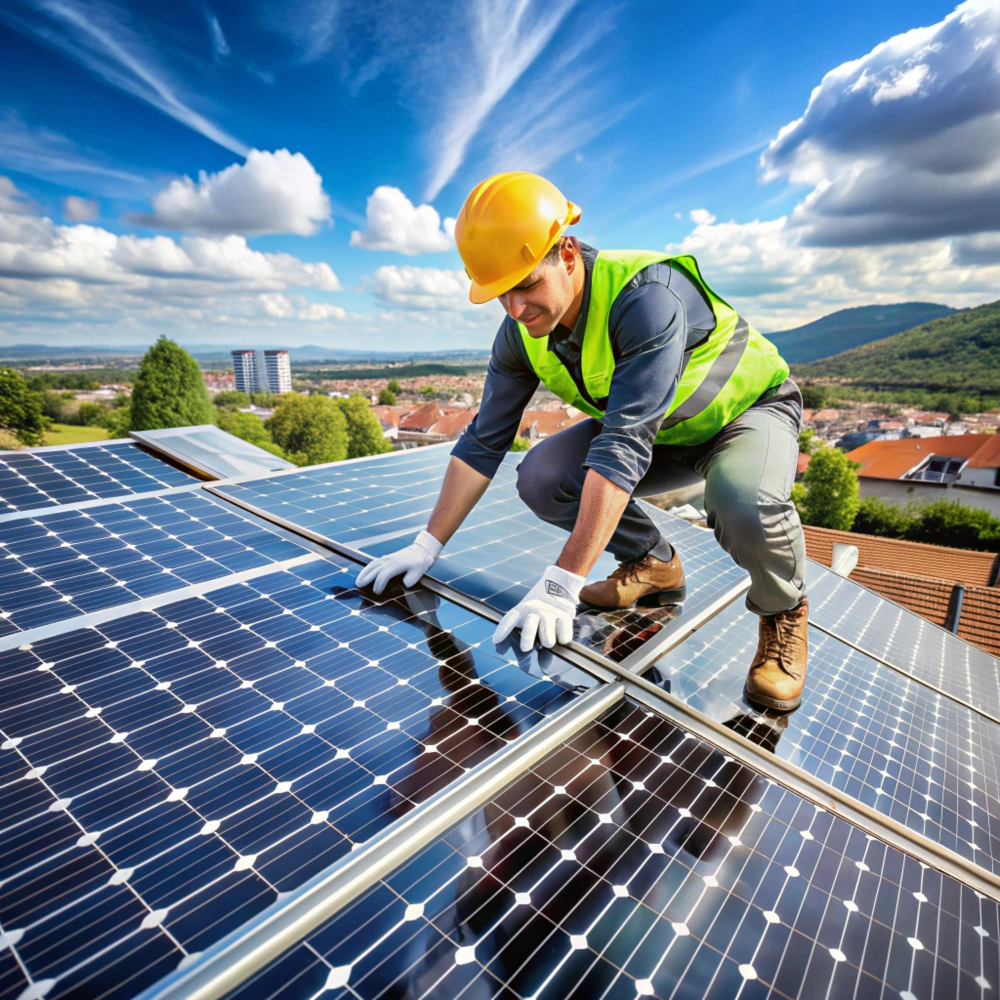
Switching to solar energy is an exciting decision that not only benefits the environment but also significantly reduces your electricity bills. However, the process of installing solar panels on your home might seem daunting at first. To help ease any concerns, this blog will walk you through the entire solar panel installation process, step by step, so you know what to expect. With a clear understanding of each stage, you can confidently move forward with your solar energy journey. 1. Initial Assessment and Site Evaluation The first step in the solar panel installation process is an initial assessment and site evaluation. A professional solar installer will visit your home to assess its suitability for solar panels. They’ll look at several factors, including: Roof condition: The installer will assess whether the roof is strong enough and can bear the weight of the solar panels. Roof orientation and tilt: tilted south-facing roofs with an angle of between 30 and 45 degrees are the most suitable for solar energy. The installer will also look at the direction that your roof is facing and the slope of the roof. Shade analysis: They will determine if any trees, buildings or any other structures will be shading your roof in a way that will affect the efficiency of the solar panels. Energy needs: You will talk about your current usage of energy, which defines the amount and size of the solar panels to be installed. This assessment ensures that your home is a good fit for solar energy and provides the installer with the information needed to design a system tailored to your needs. 2. System Design and Permitting After the site assessment, the solar installer will then develop a solar power system that will suit your home. This design will determine the number of panels to be installed, where they are to be installed on your roof, and what type of inverter is to be used. The objective is to get the most out of your energy generation in relation to the appearance and functionality of your house. After finalizing the design, the installer will help you obtain the necessary permits and approvals from local authorities. This can include: Building permits: It guarantees that the installation complies with the laws and ordinances of the region where it is to be installed. Electrical permits: Ensures that the solar power system meets the set electrical safety standards. Homeowners Association (HOA) approval: In some cases, you will require permission from the community’s homeowners association (HOA) for the installation. Although this stage may take some time, it is very important to avoid any risks and legal issues in the process of solar panel installation. 3. Ordering and Shipping of Equipment With the permits in hand and the design finalized, the next step is to order the necessary equipment. Your solar installer will procure the solar panels, inverters, mounting hardware, and any other components required for the installation. Depending on the manufacturer and the complexity of your system, the equipment may take a few weeks to arrive. During this waiting period, your installer will finalize the installation schedule and coordinate with you to ensure everything is ready for the big day. 4. Solar Panel Installation The installation day is one of the most exciting parts of the process. Here’s what typically happens: Mounting the panels: The installation crew will start by attaching the mounting hardware to your roof. These mounts secure the solar panels in place and are installed with precision to ensure they withstand weather conditions. Installing the solar panels: Once the mounts are in place, the solar panels are securely attached. The crew will carefully position each panel to maximize sunlight exposure. Wiring the system: After the panels are installed, the crew will connect them to the inverter. The inverter is a critical component that converts the direct current (DC) electricity generated by the panels into alternating current (AC), which your home uses. Connecting to the electrical grid: If you’re opting for a grid-tied solar system, the final step is connecting your solar power system to the local utility grid. This allows you to draw power from the grid when your panels aren’t producing enough electricity and potentially sell excess energy back to the utility company. The installation process usually takes one to three days, depending on the size and complexity of your system. 5. Inspection and Approval Once the installation is done, a local government inspector will come to your home to check whether the solar power system meets the set legal requirements and safety measures. They will verify the quality of the installation, the condition of the electrical connections and the safety of the system. After the inspector has given his or her stamp of approval, your utility company will also review it. They will connect a new meter that will enable the measurement of the electricity produced by your system and other preparations to enable the commencement of the generation of energy by the solar panels. 6. Activation and Monitoring After passing all the inspections and getting all the necessary approvals, your solar power system is ready to go live. Your installer will switch on the system and your home will begin to produce clean, renewable energy from the sun. To help you know that your system is working effectively, most installers offer monitoring tools. These tools enable you to monitor the amount of solar energy being produced in real-time and how much you are saving on your electricity bills. 7. Maintenance and Long-Term Care Solar panels are low maintenance devices but it is recommended that one should monitor them to ensure that they are functioning optimally. Clean the panels often for any debris, dirt or snow that may have accumulated on the panels. Your installer may also suggest that you get the system checked by a professional at least once in a while to check for any signs of a problem. If well maintained, your solar panels will serve you for 25 years

Solar Energy Myths

Solar Energy Myths: Debunking Common Misconceptions

Solar energy is rapidly gaining popularity as more homeowners and businesses recognize its benefits. However, despite its growing acceptance, several myths and misconceptions about solar power persist. Separate fact from fiction as we dispel the most widespread solar energy myths and uncover the real benefits of going solar. These misunderstandings can deter people from considering solar energy as a viable option. In this blog, we’ll debunk some of the most common myths about solar energy, providing clear and accurate information to help you make an informed decision. Myth 1: Solar Panels Don’t Work in Cloudy or Cold Climates Another myth that people have about solar energy is that it is only effective in warm and sunny areas. A common misconception that most people have is that solar panels cannot work well in places that experience cloudy days, rainy weather or cold climate. But this is not true at all. Reality: Solar panels are devices that are used to produce electricity from sunlight and they are capable of producing electricity even in a cloudy day. It is correct that solar panels work best when the sun is out, but they do not stop producing electricity when the sky is grey. Some of the solar panels are more efficient when used in cold areas since high temperatures may affect the efficiency of the panels. Some of the world’s largest producers of solar energy are countries that do not receive much sunlight such as Germany. Myth 2: Solar Panels Are Too Expensive  Another myth is that solar panels are very costly and this is not the case since there are different types of solar panels that are available in the market. Most people believe that the initial costs of buying and installing a solar power system are too expensive for them and therefore cannot afford it. Reality: It is also important to note that solar panels may be costly to install but the cost of solar energy has come down in recent years. Solar power has become cheaper than ever due to the development in technology, competition and government incentives. Also, there are numerous financing options which are available such as solar loans and leases which enable homeowners to place solar panels on their homes without paying a dime. In the long run, the amount of money saved on electricity bills can be enough to cover the cost of installation of solar energy hence making it cheaper in the long run. Myth 3: Solar Panels Need Much Attention There are those who think that solar panels are complicated structures that need constant cleaning and frequent repairs to ensure they are in good working condition. This misconception may dissuade potential solar adopters who do not want to spend time and energy in managing a solar power system. Reality: Solar panels are built to last and are very low maintenance. After being installed, they require minimal maintenance to ensure that they keep on running optimally. The solar panels also have a warranty of 25 years or more and may require little or no maintenance apart from washing off dirt, leaves or snow. As a rule, rain is sufficient to wash the panels, and this happens on a daily basis. As long as the panels are installed properly, they do not require much maintenance and therefore, using solar energy is not a bad idea for homeowners. Myth 4: Solar Panels Harm My Roof Another concern that people have is that the installation of solar panels will lead to damage of the roof and subsequent development of leaks or structural problems. This myth can be especially worrisome for those homeowners who have recently installed a new roof or those who live in an older house. Reality: Solar panels should not harm your roof in any way when they are installed by a professional. Solar panels can shield the part of the roof that is under them from the effects of weather and climate. Solar installation companies employ unique mounting structures that do not harm the panels when fixing them. Also, the panels are mounted in such a way that there is a space between the roof and the panels to facilitate air circulation and to avoid water accumulation. Most of the times, solar panels will help prolong the life of your roof since it will not be exposed to harsh weather conditions. Myth 5: Solar Energy Is Only for Wealthy Homeowners Another persistent myth is that solar energy is a luxury that only wealthy homeowners can afford. This misconception is fueled by the belief that solar panels are expensive and that only those with substantial financial resources can afford to make the switch. Reality: Solar energy is becoming increasingly accessible to a wide range of homeowners, regardless of their income level. The cost of solar panels has dropped dramatically in recent years, and various incentives, rebates, and financing options make it possible for more people to go solar. Programs like solar leases and power purchase agreements (PPAs) allow homeowners to install solar panels with little or no upfront cost and pay for the electricity generated at a reduced rate. This means that solar energy is no longer just for the wealthy—it’s a viable option for anyone looking to reduce their energy bills and contribute to a more sustainable future. Myth 6: Solar Panels Are Not Environmentally Friendly Some skeptics argue that the manufacturing process of solar panels is harmful to the environment, negating the environmental benefits of solar energy. This myth suggests that the energy and resources required to produce solar panels outweigh the environmental gains of using clean energy. Reality: While it’s true that the production of solar panels involves energy and resources, the environmental impact is far outweighed by the benefits of solar energy over its lifetime. Solar panels generate clean, renewable energy for 25 years or more, significantly reducing greenhouse gas emissions and reliance on fossil fuels. The energy payback time (the time it takes for a solar panel to generate the amount

Contact Us