Redington, Author at Redington Solar - Page 8 of 20

Author name: Redington

Green Energy Revolution

Green Energy Revolution in India and Microinverters

India is at the forefront of a green energy revolution, with an ambitious commitment to expanding its renewable energy capacity. The nation’s focus on solar power has been a key driver in this transformation, and innovative technologies are playing a crucial role in optimizing solar energy systems. One such technology that has garnered significant attention is the microinverter. In this blog, we explore how microinverters are revolutionizing solar power systems in India and how Redington Solar is leading the charge in this green energy revolution. The Green Energy Revolution in India India’s green energy revolution is a comprehensive effort to reduce reliance on fossil fuels, cut greenhouse gas emissions, and transition to a sustainable energy future. The country has set ambitious targets to achieve 175 GW of renewable energy capacity by 2022 and 450 GW by 2030. Solar power is central to this strategy, given India’s abundant sunlight and the decreasing costs of solar technology. Key Drivers of the Revolution Government Initiatives: The Indian government has introduced various policies and incentives to promote renewable energy adoption, including tax benefits, subsidies, and solar park developments. Falling Costs: The cost of solar panels has decreased significantly, making solar energy more affordable and accessible. Technological Advancements: Innovations like microinverters have improved the efficiency and reliability of solar power systems, making them more attractive to consumers and businesses. What are Microinverters? Microinverters are small devices installed on each solar panel to convert the direct current (DC) generated by the panel into alternating current (AC) used by home appliances and the grid. Unlike traditional string inverters, which connect multiple panels to a single inverter, microinverters work independently on each panel. Benefits of Microinverters Increased Efficiency: By optimizing the output of each panel individually, microinverters can significantly increase the overall efficiency of a solar power system, especially in scenarios where panels may be partially shaded or oriented differently. Improved Reliability: If one panel in a system with microinverters underperforms or fails, the rest of the system continues to operate efficiently. This is a marked improvement over string inverters, where a single panel issue can impact the entire array. Enhanced Monitoring: Microinverters provide detailed, real-time monitoring of each panel’s performance, allowing for more precise maintenance and troubleshooting. Simplified Installation: These devices are easier to install and expand, making them an ideal choice for residential and commercial solar systems. Redington Solar: Leading the Charge Redington Solar has been instrumental in promoting and deploying microinverter technology across India. As a leading provider of solar energy solutions, Redington Solar is committed to leveraging advanced technologies to enhance the performance and reliability of solar power systems. Redington Solar’s Contributions High-Quality Products: Redington Solar offers top-of-the-line microinverters that ensure maximum efficiency and durability, tailored to meet the diverse needs of Indian consumers. Comprehensive Support: From initial consultation and system design to installation and maintenance, Redington Solar provides end-to-end solutions to ensure seamless integration of microinverters into solar systems. Educational Initiatives: By raising awareness about the benefits of microinverters and educating consumers on best practices, Redington Solar is driving the adoption of this innovative technology. Real-World Impact The adoption of microinverters in solar power systems has already shown promising results. Residential and commercial installations equipped with microinverters report higher energy yields and improved system reliability. For instance, a solar-powered apartment complex in Hyderabad saw a 20% increase in energy production after switching to microinverters, highlighting the tangible benefits of this technology. Future Prospects As India continues its journey towards a sustainable energy future, the role of innovative technologies like microinverters will only become more critical. The integration of microinverters into solar power systems represents a significant step forward in maximizing the potential of solar energy, ensuring that every ray of sunlight is harnessed efficiently and effectively. Conclusion The green energy revolution in India is well underway, and technologies like microinverters are at the heart of this transformation. By enhancing the efficiency, reliability, and ease of installation of solar power systems, microinverters are empowering homeowners and businesses to embrace renewable energy with confidence. With industry leaders like Redington Solar championing this technology, India is poised to achieve its ambitious renewable energy targets and pave the way for a greener, more sustainable future. As we move forward, the continued adoption of microinverters will play a crucial role in the success of India’s solar power initiatives, ensuring that the nation remains at the forefront of the global green energy revolution.
Floating Solar Farms

Floating Solar Farms: Advantages and Disadvantages

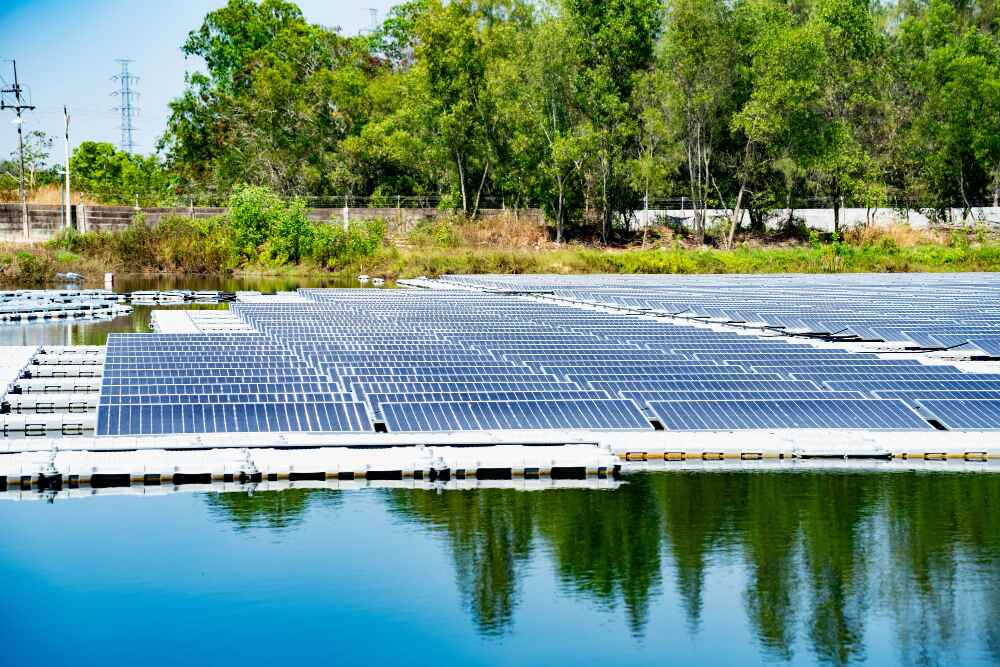
The quest for sustainable energy solutions has led to innovative approaches to harnessing solar power. One such approach gaining traction is the development of floating solar farms. These solar installations, also known as photovoltaics, involve placing solar panels on bodies of water such as lakes, reservoirs, and even oceans. As with any technology, floating solar farms come with their own set of advantages and disadvantages. Let’s explore the potential and challenges of this exciting renewable energy solution. Advantages of Floating Solar Farms Efficient Use of Space The use of space is another major benefit of floating solar farms. Solar space is a limited resource and utility-scale solar power plants may occupy agricultural, urban, or natural land. This way, we can use those areas that are not very productive in terms of ground space but are suitable for the installation of solar panels. Enhanced Energy Production The floating solar farms can produce more electricity than the ground-mounted ones. Water bodies are effective in lowering the temperatures of the solar panels and hence increase the efficiency of the panels. This cooling effect can result in an increase in energy production by as much as 15 percent. Also, the water body provides a mirror-like surface which may help in the collection of more light by the panels, increasing their efficiency. Reduced Water Evaporation Besides, in areas where water scarcity is common, such as in arid zones, farms are beneficial in that they do not cause water evaporation. Due to their ability to hide sections of the reservoir or lake, these installations can reduce water evaporation and thus save water. This is especially helpful for those regions that are involved in farming and those that experience a shortage of water supply. Algae Growth Prevention Algae blooms can be problematic to the aquatic community and water quality. The floating solar panels cast a shadow on the water surface and this minimizes the penetration of light into the water hence controlling the growth of algae. This can help in keeping the water bodies relatively healthier and in turn, help in managing the costs of algae. Disadvantages of Floating Solar Farms Higher Initial Costs The first drawback of using floating solar farms is that they are relatively more expensive to install than conventional ground-mounted solar systems. The materials used to fix the panels on water bodies and the buoyancy used to float the panels may be slightly more costly. Also, the installation process is relatively longer, and it needs specialized tools and personnel to install the system. Maintenance Challenges Maintaining floating solar farms can be more challenging than land-based systems. The aquatic environment exposes the panels and equipment to additional wear and tear, including potential corrosion from water and the impact of waves and currents. Regular maintenance is crucial to ensure the longevity and efficiency of the system, which can increase operational costs. Environmental Impact While floating solar farms can have positive environmental effects, they can also pose risks to aquatic ecosystems. The installation process can disrupt local wildlife and habitats, and the presence of solar panels can alter the water’s ecosystem dynamics. It is essential to conduct thorough environmental impact assessments and implement measures to mitigate any negative effects. Limited Suitable Locations Not all water bodies are suitable for this but the factors such as water depth, wave action, and accessibility must be considered when selecting a site. In some cases, the ideal locations may be far from existing infrastructure, increasing the costs and complexity of grid connection and maintenance. Conclusion Floating solar farms represent a promising innovation in the field of renewable energy. By making efficient use of space, enhancing energy production, reducing water evaporation, and preventing algae growth, they offer several significant advantages. However, the higher initial costs, maintenance challenges, environmental impacts, and limitations in suitable locations must be carefully considered. As technology advances and the demand for sustainable energy solutions grows, floating solar farms are likely to become more viable and cost-effective. With careful planning and responsible implementation, they can play a crucial role in our transition to a cleaner, more sustainable energy future. Redington Solar is committed to exploring and supporting innovative solutions like floating solar farms, ensuring that we harness the full potential of renewable energy to meet the world’s growing energy needs.

Smart Solar Panels

Impact of Smart Solar Panels in Improving Energy Efficiency

As the push for renewable energy intensifies, smart solar panels are emerging as a transformative force in enhancing energy efficiency. Unlike traditional solar panels, which simply convert sunlight into electricity, smart solar integrate advanced technologies to optimize performance, monitor system health, and maximize energy production. At Redington Solar, we are enthusiastic about how these innovations are reshaping the solar landscape and driving us toward a more sustainable future.  What Are Smart Solar Panels? Smart panels are an advanced type of photovoltaic (PV) system that incorporates sensors, microcontrollers, and communication technologies to enhance the functionality of traditional solar panels. These panels not only generate electricity but also use real-time data to optimize performance, identify potential issues, and improve overall energy efficiency. Key Benefits of Smart Solar Panels Enhanced Performance Monitoring Another advantage of this is that they offer performance data tracking as one of the key benefits. These are fitted with sensors and data loggers that monitor several parameters including solar irradiation, temperature, and power. This real-time data assists in diagnosing problematic panels, evaluating the efficiency of the system, and making decisions to increase energy generation. Real-Time Troubleshooting If a panel or a component is not working well, the system can send a signal to the owner or the maintenance team. Such a strategy of problem identification and solving contributes to a reduction of time wastage and ensures optimal productivity. Dynamic Optimization It is different from conventional panels which work at a certain efficiency level; they use MPPT technology to change their efficiency levels depending on the prevailing circumstances. This means that the panels can adjust the energy output in real-time to compensate for the fluctuations in the amount of light, temperature, and shading so that they will be working at their optimum level at all times of the day. Improved Energy Harvesting Smart Panel uses microinverters or power optimizers to get the most out of the panels. These devices are more efficient in converting the DC produced by the panels into AC and also enable the optimization of the panels one at a time. This means that even if some of the panels are shaded or dirty, the other panels can still be working efficiently thus producing more energy in the long run. Enhanced Grid Integration As a result of the development of smart grids, smart panels are used to incorporate solar energy into the larger system. They can interact with the grid management systems for supply-demand management, energy storage, and demand response programs. This integration assists in maintaining the stability of the grid and therefore increases the reliability of renewable energy sources. Challenges and Considerations Despite their numerous advantages, smart solar panels do come with some challenges: Higher Initial Costs: The advanced technology and components used in smart solar panels often come with a higher initial cost compared to traditional panels. However, the long-term benefits in terms of increased efficiency and reduced maintenance can offset this investment. Complexity: The integration of smart technologies adds complexity to the installation and maintenance of solar systems. Proper training and expertise are required to manage and troubleshoot these systems effectively. Data Security: With the increased use of data and communication technologies, ensuring the security of sensitive information is crucial to protect against potential cyber threats. The Future of Smart Solar Panels The future of smart solar panels looks promising as technology continues to evolve. Advancements in artificial intelligence (AI), machine learning, and IoT (Internet of Things) will further enhance their capabilities, making solar power more efficient and user-friendly. As these technologies become more accessible and affordable, smart solar panels will play an increasingly vital role in the transition to a greener, more sustainable energy future. At Redington Solar, we are committed to leading the way in solar innovation and efficiency. By embracing smart solar panel technology, we aim to provide our customers with cutting-edge solutions that enhance energy efficiency and contribute to a cleaner, more sustainable world. As smart solar panels continue to evolve, their impact on energy efficiency and overall system performance will only grow, paving the way for a brighter and greener future.

Different Types of Solar Energy

Different Types of Solar Energy for Solar Systems

In the quest for sustainable energy solutions, solar energy stands out as one of the most promising and widely adopted sources. As the demand for clean energy grows, so does the innovation and variety in solar systems. Understanding the different types of solar energy and how they can be harnessed is essential for making informed decisions about adopting this technology. Let’s explore the various types of solar energy and their applications, with a special focus on the offerings from Redington Solar. Photovoltaic (PV) Solar Energy When people think of solar energy, photovoltaic (PV) solar panels often come to mind. These panels convert sunlight directly into electricity using solar cells. Here’s a closer look at the key aspects of PV solar energy: Monocrystalline Solar Panels: Made from a single continuous crystal structure, these panels are known for their high efficiency and sleek design. They are ideal for spaces where maximum efficiency is needed, such as residential rooftops with limited space. Polycrystalline Solar Panels: These panels are made from multiple silicon crystals and are generally less expensive than monocrystalline panels. While they have a slightly lower efficiency, they are a cost-effective solution for larger installations where space is not a constraint. Thin-Film Solar Panels: Lightweight and flexible, thin-film panels can be used in a variety of applications, including on buildings and vehicles. They have a lower efficiency compared to crystalline panels but are often more durable and easier to install. Concentrated Solar Power (CSP) Concentrated Solar Power (CSP) systems use mirrors or lenses to focus a large area of sunlight onto a small area. The concentrated light is then used to heat a fluid, which drives a turbine connected to an electrical generator. CSP is typically used in large-scale solar farms rather than residential applications. Here are the main types of CSP systems: Parabolic Troughs: These use curved mirrors to focus sunlight onto a tube containing a heat-absorbing fluid. The heated fluid is then used to produce steam and generate electricity. Solar Power Towers: These systems use a large field of mirrors to direct sunlight onto a central tower. The concentrated sunlight heats a fluid in the tower, which is used to generate steam and drive a turbine. Fresnel Reflectors: These systems use flat or slightly curved mirrors to focus sunlight onto a fixed receiver. They are simpler and cheaper to build than parabolic troughs but are generally less efficient. Solar Thermal Energy Solar thermal energy involves capturing and using the heat from the sun. This type of solar energy is often used for heating water, buildings, or even for industrial processes. Here are the primary methods: Solar Water Heating Systems: These systems use solar collectors, typically mounted on rooftops, to absorb sunlight and heat water. The heated water is stored in a tank for use in homes or businesses. Solar Space Heating: Similar to solar water heating, solar space heating systems use solar collectors to absorb heat, which is then distributed to heat indoor spaces. These systems can significantly reduce heating costs in colder climates. Solar Cooling: Using solar energy to power cooling systems might sound counterintuitive, but it’s possible with technologies like absorption chillers, which use heat to provide cooling. Hybrid Solar Systems Hybrid solar systems combine different types of solar technologies or integrate solar power with other forms of energy. These systems aim to maximize efficiency and reliability. For example: Solar PV and Solar Thermal Hybrid Systems: These systems use both PV panels for electricity and solar thermal collectors for heat, optimizing the use of available space and resources. Solar-Diesel Hybrid Systems: In remote areas where the grid is unavailable, combining solar power with diesel generators can ensure a consistent power supply, reducing reliance on fossil fuels. Redington Solar’s Role in Advancing Solar Energy Redington Solar is at the forefront of delivering innovative and sustainable solar solutions. They offer a wide range of products and services tailored to meet diverse energy needs. From high-efficiency PV panels to advanced solar thermal systems, Redington Solar ensures that every installation is optimized for performance and reliability. Redington Solar also provides comprehensive support, from the initial consultation and design phase through to installation and maintenance. Their commitment to quality and customer satisfaction makes them a trusted partner in the transition to renewable energy. Conclusion The variety of solar energy technologies available today allows for tailored solutions to meet specific needs and conditions. Whether it’s the high efficiency of monocrystalline panels, the cost-effectiveness of polycrystalline panels, the flexibility of thin-film panels, or the large-scale power generation of CSP systems, there’s a solar solution for everyone. With companies like Redington Solar leading the way, the future of solar energy looks brighter than ever. Embracing the different types of solar energy not only helps reduce our carbon footprint but also paves the way for a sustainable and resilient energy future.

Optimization of Solar Energy Systems

AI Integration in Optimization of Solar Energy Systems

As the world embraces the transition to renewable energy, solar power stands out as a leading solution for sustainable electricity generation. However, the Optimization of Solar energy systems to achieve maximum efficiency and performance is crucial for maximizing their benefits. Enter artificial intelligence (AI)—a game-changing technology that is revolutionizing how we manage and optimize solar energy systems. In this blog, we’ll explore how AI integration is enhancing the efficiency of solar power systems and driving the future of renewable energy. Understanding AI Integration in Solar Energy Systems Artificial intelligence (AI) refers to the simulation of human intelligence in machines that are programmed to think and learn. In the context of solar energy systems, AI encompasses various technologies, including machine learning, data analytics, and predictive modeling, to optimize the performance of solar installations. Here’s how the Optimization of Solar Energy through AI is making a significant impact: Find the most undetectable draftHumanize more checks for AI Predictive Maintenance Predictive maintenance is the application of AI to analyze data from the past and current conditions to forecast future problems. Thus, based on the analysis of patterns and deviations in the work of solar panels, AI algorithms can indicate signs of wear and tear, failures of specific components, or low efficiency. Such a strategy enables early identification of problems and scheduling of maintenance and repair services to minimize on time lost and increase the durability of the solar panels. Enhanced Energy Forecasting Energy forecasting is crucial in the management of solar energy systems since it helps in achieving the best outcomes. AI models use weather data, historical data on solar radiation, and current meteorological data to estimate the solar energy output to a high degree of accuracy. This helps in the planning and management of the grid so that the supply of energy meets the demand most efficiently. Optimizing Energy Output AI algorithms help to maximize the energy generated by the solar panel through the change of factors like tilt angle, orientation, and shading. Using data from sensors and weather predictions, AI systems can control the orientation of solar panels to get the most of the sun’s rays in a given day. This leads to enhanced energy output and efficiency of the entire system as well. Intelligent Grid Management In the distribution of renewable energy smart grids are playing a more significant role in the distribution network. AI works with the grid management systems to address the issues of energy distribution, grid reliability, and loss. AI-based models can forecast the usage of energy, manage the storage of energy, and schedule the distribution of solar power in the grid. Energy Storage Optimization Energy storage systems should be incorporated with solar panels to help provide power all day round. AI is also used in energy storage where it helps in forecasting the energy storage requirements, controlling the charge and discharge cycles, and the efficiency of battery systems. This helps to conserve stored energy and hence minimize the use of other sources of energy such as generators. Benefits of AI in Solar Energy Systems The integration of AI into solar energy systems offers several benefits: Increased Efficiency: AI optimizes the performance of solar panels, leading to higher energy output and improved system efficiency. Cost Savings: By predicting maintenance needs and reducing downtime, AI helps lower operational and maintenance costs. Enhanced Reliability: AI-driven predictive maintenance and real-time monitoring improve the reliability and longevity of solar installations. Better Energy Management: AI improves energy forecasting and grid management, ensuring a stable and efficient energy supply. Challenges and Considerations While AI offers significant advantages, there are also challenges to consider: Data Privacy and Security: Protecting sensitive data related to solar energy systems is crucial to prevent unauthorized access and ensure privacy. Integration Complexity: Implementing AI systems requires careful planning and integration with existing solar infrastructure, which can be complex and costly. Continual Learning: AI models need to be continually updated and trained with new data to maintain accuracy and effectiveness. Conclusion The integration of AI into solar energy systems is transforming the renewable energy landscape, offering advanced solutions for optimizing performance, predicting maintenance needs, and enhancing energy management. As AI technology continues to evolve, its role in maximizing the efficiency of solar power systems will only grow stronger. In recent years, numerous investigations and developments have been performed on the optimization of solar energy.  At Redington Solar, we are excited about the potential of AI to drive the future of solar energy. By embracing these technological advancements, we can improve the performance of solar installations, reduce costs, and contribute to a more sustainable and efficient energy future. The synergy between AI and solar power is paving the way for a greener, smarter world, where renewable energy systems operate at their full potential.

ADB Bank

ADB Bank Approves $241 Million for Solar Panel Expansion in India

The push towards sustainable energy in India has received a significant boost with the recent approval of a $241 million investment by the ADB Bank to expand solar panel installations across the country. This major financial commitment underscores the global emphasis on renewable energy and highlights India’s strategic role in transitioning to a greener future. At Redington Solar, we’re excited about the impact this funding will have on India’s solar energy landscape. Here’s a closer look at the significance of this investment and what it means for India’s renewable energy goals. What the Investment Means ADB Bank $241 million approval is aimed at accelerating the deployment of solar panels and expanding the infrastructure necessary to support India’s ambitious solar power targets. This investment will primarily fund the development of large-scale solar parks, enhance existing solar infrastructure, and support the integration of new technologies. The goal is to significantly increase the country’s solar energy capacity, contribute to energy security, and reduce greenhouse gas emissions. Key Objectives of the Investment 1. Expansion of Solar Capacity The primary objective of ADB Bank investment is to expand India’s solar energy capacity. By financing the development of new solar parks and upgrading existing facilities, the ADB funding will help India move closer to its goal of achieving 500 GW of renewable energy capacity by 2030. This expansion is crucial for meeting the growing energy demand and ensuring a reliable and sustainable power supply. 2. Promotion of Clean Energy The investment aligns with India’s commitment to increasing the share of clean energy in its overall energy mix. By enhancing solar energy infrastructure, the funding supports the country’s efforts to reduce reliance on fossil fuels and lower carbon emissions. This is a critical step towards combating climate change and promoting environmental sustainability. 3. Technology Integration and Innovation ADB’s funding will also support the integration of advanced solar technologies and innovations. This includes the deployment of more efficient solar panels, energy storage solutions, and smart grid technologies. Integrating these technologies will optimize energy production, improve grid stability, and enhance the overall efficiency of solar power systems. Impact on India’s Solar Energy Sector 1. Economic Growth and Job Creation The expansion of solar panel installations will create numerous economic opportunities. The development of solar parks and associated infrastructure projects will generate jobs and stimulate local economies. Additionally, increased investment in the solar sector will attract further private investment, contributing to broader economic growth. 2. Enhanced Energy Security By increasing solar energy capacity, India will enhance its energy security and reduce its dependency on imported fossil fuels. This shift towards renewable energy sources will provide a more stable and reliable power supply, mitigating the risks associated with fluctuating fossil fuel prices and supply disruptions. 3. Environmental Benefits The expansion of solar energy capacity will have significant environmental benefits. Solar power is a clean, renewable resource that generates electricity without emitting greenhouse gases. By increasing the share of solar energy in the energy mix, India will make substantial progress towards reducing its carbon footprint and improving air quality. Challenges and Considerations Despite the positive impact, there are challenges to consider: Infrastructure Development: Scaling up solar capacity requires significant infrastructure development, including the construction of solar parks and upgrades to grid systems. Ensuring the timely and efficient execution of these projects is crucial. Policy and Regulatory Framework: Effective policies and regulations are essential for supporting solar energy growth. Continued efforts are needed to create a conducive environment for investment and innovation in the solar sector. Technological Integration: Integrating advanced technologies into existing systems requires careful planning and investment. Ensuring compatibility and optimizing performance are key to achieving the desired outcomes. Conclusion The approval of $241 million by the ADB for solar panel expansion in India marks a pivotal moment in the country’s journey towards a sustainable energy future. At Redington Solar, we are thrilled to see such substantial investment in the solar sector, which will drive growth, innovation, and environmental benefits. As India continues to expand its solar energy capacity, this funding will play a crucial role in achieving the nation’s renewable energy goals and contributing to a greener, more sustainable world.

Bifacial Solar Panels

Important Facts About Bifacial Solar Panels

As the world moves towards sustainable energy solutions, solar technology continues to evolve, offering more efficient and innovative ways to harness the power of the sun. One of the most exciting advancements in this field is the development of bifacial solar panels. These panels capture sunlight from both sides, significantly increasing their efficiency and energy output. Here, we explore the key facts about bifacial solar panels and how they are revolutionizing the solar industry. What Are Bifacial Solar Panels? The bifacial solar panels work in such a way that they can capture light from both their top side and the back side, unlike the monofacial solar panels which capture light from the front side only. This dual-sided ability enables them to produce more electricity especially when installed in areas where light can bounce off including rooftops, ground, and water. How Do Bifacial Solar Panels Work? The operating principle of bifacial solar panels is that both faces of the panels are covered with transparent materials such as glass. The front side is exposed to direct sunlight while the back side is exposed to reflected light from the ground or any other surface. This design makes it possible for bifacial panels to be used in albedo, which is the extent to which a surface reflects light. Objects with high reflectivity, for example, white color of roofs, snow, or light-colored ground can greatly increase the efficiency of bifacial panels. Advantages of Bifacial Solar Panels Increased Energy Output Another major benefit that bifacial solar panels offer is the increased efficiency of power generation. These panels can gather light on both faces and can produce 30% more electricity than monofacial panels. Due to this higher efficiency, they are suitable for use in regions where space is a limiting factor and energy production is desired. Durability and Longevity Bifacial panels are usually manufactured using durable materials such as tempered glass on both faces, which increases the panels’ ability to withstand various forces of nature including wind, snow, and hail. It not only increases the durability of the panels but also minimizes the chances of damage for a longer period of use. Versatile Installation Options The bifacial panels can be installed in different ways due to the design of the panels. These can be installed on the roofs, on the floor, or vertically as part of the building envelope or fences. Due to their ability to capture reflected light, they can be installed in areas where normal panels cannot be placed. Improved Aesthetic Appeal With their sleek and modern design, bifacial panels can enhance the aesthetic appeal of a building or installation site. Their transparent back sheet allows for creative architectural integrations, making them an excellent choice for projects where visual impact is important. Applications of Bifacial Solar Panels Bifacial panels are suitable for a wide range of applications, from residential rooftops to large-scale commercial and industrial installations. They are particularly beneficial in the following scenarios: Rooftop Installations: In residential or commercial buildings with reflective surfaces, bifacial panels can significantly boost energy production. Ground-Mounted Systems: In open areas with high albedo surfaces, such as deserts or snowy regions, bifacial panels can maximize solar gain. Floating Solar Farms: Installing bifacial panels on bodies of water can take advantage of water’s reflective properties, enhancing energy output. Building-Integrated Photovoltaics (BIPV): Bifacial panels can be incorporated into building designs such as windows, facades, or skylights, providing both energy generation and aesthetic benefits. Challenges and Considerations While bifacial panels offer numerous benefits, there are also some challenges and considerations to keep in mind: Higher Initial Cost The initial cost of bifacial panels is generally higher than that of traditional monofacial panels. However, increased energy production and long-term savings can offset this higher upfront investment. Installation Complexity Installing bifacial panels requires careful consideration of site conditions and mounting systems to optimize their performance. Proper site assessment and installation expertise are crucial to fully realizing the benefits of bifacial technology. Performance Variability The performance of bifacial panels can vary depending on the installation environment and the reflectivity of the surfaces around them. Ensuring optimal conditions for maximum reflection is essential to achieving the desired energy gains. Conclusion Bifacial solar panels represent a significant advancement in solar technology, offering increased energy output, durability, and versatile installation options. As the demand for efficient and sustainable energy solutions grows, bifacial panels are poised to play a crucial role in meeting this need. At Redington Solar, we are committed to providing cutting-edge solar solutions that harness the full potential of bifacial technology. By understanding the key facts about bifacial solar panels, consumers and businesses can make informed decisions about their renewable energy investments, contributing to a greener and more sustainable future.

Perovskite Solar Cells

Innovation of Perovskite Solar Cells

In the ever-evolving world of solar technology, perovskite solar cells represent one of the most exciting innovations. Named after a class of minerals with a similar crystal structure, these solar cells are making waves for their high efficiency, low production costs, and versatile applications. At Redington Solar, we’re thrilled about the potential of perovskite solar cells to transform the renewable energy landscape. Here’s an in-depth look at this groundbreaking technology and why it’s capturing the attention of scientists and industry leaders alike. What Are Perovskite Solar Cells? Perovskite solar cells are a type of photovoltaic technology that use a perovskite-structured compound as the light-absorbing material. This material typically consists of a hybrid organic-inorganic lead or tin halide-based compound. Named after the mineral perovskite, these cells have demonstrated remarkable efficiency in converting sunlight into electricity, often rivaling or even surpassing traditional silicon-based solar cells. Key Advantages of Perovskite Solar Cells High Efficiency The most attractive aspect of perovskite cells is that they have high efficiency. Since their emergence, such cells have demonstrated constant efficiency growth and have exceeded 25% in terms of laboratory indicators. This is as good as, and in some instances even better than, the traditional silicon-based photovoltaic solar panels. This is because the perovskite material used in their solar cells has better light absorption capability and the cells can harvest more sunlight than the silicon-based ones. Low Production Costs Perovskite cells are more advantageous in production costs compared to other types of solar cells. In contrast to silicon solar panels, the formation of perovskite cells does not involve high-temperature processing and the use of expensive materials, but solution-based methods. This not only lowers the cost of production but also allows for the creation of flexible and lightweight solar panels that can be implemented in a wide range of uses. Versatility and Flexibility The fabrication process of perovskite cells is more suitable for flexibility and variety in their use. They can be deposited onto any substrate, from flexible and transparent ones to some more complex ones, such as solar windows and wearable solar technology. This flexibility means that new opportunities for using solar energy in objects and surfaces of everyday life appear. Easy Manufacturing Process The methods employed in the processing of perovskite cells are relatively easier and less energy-consuming as compared to the methods used in silicon solar cells. This ease of manufacturing not only reduces manufacturing costs but also accelerates the process of creating and implementing new solar technologies. Challenges and Considerations Despite their promising advantages, perovskite cells face several challenges: 1. Stability and Longevity One of the primary concerns with perovskite cells is their long-term stability. The materials used in these cells are sensitive to moisture, heat, and UV radiation, which can degrade their performance over time. Researchers are actively working on improving the stability of perovskite materials and developing more durable encapsulation techniques to address this issue. 2. Environmental and Health Concerns Many perovskite cells use lead as a component, which raises environmental and health concerns. Efforts are underway to develop lead-free alternatives and improve the recycling processes for perovskite materials to mitigate these risks. 3. Scale-Up and Commercialization Scaling up the production of cells from the laboratory to commercial manufacturing is a significant challenge. Ensuring consistent quality and performance at a large scale requires overcoming various technical and economic hurdles. The Future of Perovskite Solar Cells The future of perovskite looks bright as ongoing research continues to address current challenges. Innovations in material science, manufacturing techniques, and environmental management are expected to further enhance the efficiency and durability of these cells. At Redington Solar, we are excited about the potential of perovskite technology to revolutionize the solar industry. By embracing and investing in these advanced solar solutions, we can drive the transition to a more sustainable and energy-efficient future. The innovation of perovskite solar cells is a testament to the remarkable progress in renewable energy technology, offering a glimpse into a future where solar power is more accessible, efficient, and versatile than ever before.

Solar Panels on Real Estate Prices

Impact of Solar Panels on Real Estate Prices

The real estate market is continually evolving, influenced by a myriad of factors ranging from economic conditions to emerging technologies. One such technological advancement that has gained significant attention is the integration of solar panels into residential properties. As homeowners and buyers become more eco-conscious, the impact of solar panels on real estate prices is becoming increasingly apparent. Let’s explore how solar panels affect property values and why they are considered a wise investment. The Growing Appeal of Solar Panels The shift towards renewable energy sources has led to a surge in the popularity of solar panels. These systems harness energy from the sun, providing a sustainable and cost-effective alternative to traditional electricity sources. The benefits of solar panels include: Reduced Energy Bills: Homeowners can significantly lower their electricity costs, making solar panels an attractive feature for budget-conscious buyers. Environmental Impact: Solar energy reduces reliance on fossil fuels, lowering carbon footprints and appealing to eco-friendly buyers. Energy Independence: Solar panels provide a measure of energy security, reducing dependence on the grid and protecting against rising energy prices. How Solar Panels Affect Property Values Research and market trends indicate that solar panels can positively influence property values. Here are several ways in which solar panels impact real estate prices: Increased Property Value: Homes equipped with solar panels often see an increase in market value. Studies suggest that properties with solar energy systems can sell for up to 4.1% more than comparable homes without solar panels. This increase is attributed to the perceived and actual savings on energy bills, making solar-equipped homes more desirable. Faster Sales: Properties with solar panels tend to sell faster than those without. Potential buyers are increasingly looking for homes with energy-efficient features, and solar panels are a key selling point. This can result in a shorter time on the market and quicker sales. Higher Appraisal Value: When appraising homes, assessors consider the value added by solar panels. This can lead to a higher appraisal value, benefiting sellers by providing a stronger bargaining position and potentially higher sale prices. Tax Incentives and Rebates: In many regions, installing solar panels comes with tax incentives and rebates. These financial benefits can make homes with solar installations more attractive to buyers, further driving up demand and prices. Factors Influencing the Impact While the general trend shows a positive impact of solar panels on property values, several factors can influence the extent of this impact: Location: The benefits of solar panels can vary by location. In regions with high electricity costs and ample sunlight, the value added by solar panels is more pronounced. Additionally, areas with strong environmental consciousness may see a greater demand for solar-equipped homes. System Quality and Size: The quality and capacity of the solar panel system play a crucial role. High-efficiency panels with a significant energy output add more value compared to smaller, less efficient systems. Age of the System: Newer solar panel systems are more appealing as they come with longer remaining lifespans and warranties. Older systems may require more maintenance and could impact the perceived value. Potential Challenges Despite the many benefits, there are some challenges to consider: Initial Investment: The upfront cost of installing solar panels can be substantial. However, the long-term savings on energy bills and the increase in property value often offset this initial expenditure. Market Awareness: Not all buyers may be fully aware of the benefits of solar panels. Educating potential buyers on the advantages can help maximize the value added by a solar installation. Conclusion The integration of solar panels into residential properties is a trend that is gaining momentum, driven by the dual benefits of financial savings and environmental sustainability. The impact of solar panels on real estate prices is largely positive, with homes equipped with solar energy systems seeing increased property values, faster sales, and higher appraisal values. As awareness and adoption of renewable energy continue to grow, the value of solar panels in the real estate market is likely to become even more significant. For homeowners looking to sell, installing solar panels can be a wise investment that pays off both financially and environmentally. For buyers, choosing a home with solar panels offers long-term savings and contributes to a greener future. With the support of companies like Redington Solar, homeowners can seamlessly transition to solar energy, enhancing their property’s value and making a positive impact on the planet.

solar panels in disaster

The Role of Solar Panels in Disaster Preparedness | Redington Solar

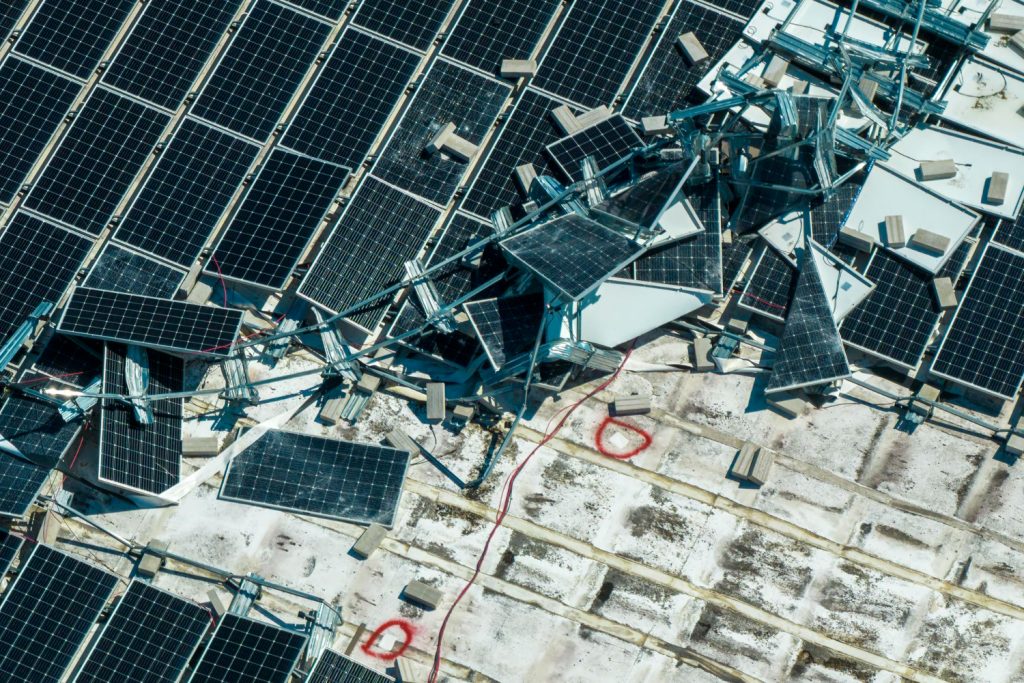
Natural disasters such as hurricanes, earthquakes, and floods can strike without warning, leaving communities without power for days or even weeks. In these scenarios, having a reliable source of energy becomes crucial. Solar panels in disaster preparedness have emerged as a vital component, providing a sustainable and resilient solution for continuous power supply. This blog explores the importance of home solar solutions in disaster preparedness, focusing on the benefits and implementation of residential solar systems. Why Solar Panels in Disaster Preparedness are Essential Reliable Power Supply During a disaster, traditional power grids can be severely disrupted. Residential solar systems provide a dependable alternative by harnessing the sun’s energy, ensuring that essential devices and systems continue to operate. Benefits: Energy Independence: Solar panels allow homeowners to generate their own electricity, reducing reliance on the grid. Continuous Power: With solar panels and battery storage, critical appliances and communication devices can remain operational even during extended power outages. Environmental Benefits In addition to providing reliable power, solar panels offer significant environmental advantages. They reduce the dependence on fossil fuels, which are often in short supply during disasters. Environmental Impact: Reduced Emissions: Solar energy is clean and renewable, lowering the carbon footprint. Sustainable Energy Source: Solar power can be harnessed even in remote areas, providing a sustainable solution in times of crisis. Implementing a Solar System for Home in India Solar Products for Home Use in India India has seen a surge in the availability and adoption of solar products for home use. From solar lanterns to comprehensive solar power systems, there are various options to enhance disaster preparedness. Popular Solar Products: Solar Lanterns: Portable and efficient, ideal for emergency lighting. Solar Water Heaters: Ensure a steady supply of hot water without relying on electricity. Solar Chargers: Keep communication devices charged and operational. Setting Up a Residential Solar System To effectively prepare for disasters, it’s essential to install a comprehensive solar system for home in India. This involves several key components: Solar Panels: The core component that captures solar energy. The best solar panels offer high efficiency and durability, ensuring maximum energy capture even under challenging conditions. Inverter: Converts the direct current (DC) produced by the solar panels into alternating current (AC) used by household appliances. Battery Storage: Stores excess energy generated during the day for use at night or during power outages. Charge Controller: Regulates the flow of electricity to and from the battery, preventing overcharging and extending battery life. Choosing the Best Solar Panels Selecting the best solar panels is crucial for ensuring optimal performance and reliability. Consider the following factors: Efficiency: Higher efficiency panels generate more electricity from the same amount of sunlight. Durability: Panels should withstand extreme weather conditions, including heavy rain, high winds, and hail. Warranty: Look for panels with a long warranty period, indicating manufacturer confidence in their product. Benefits of Home Solar Solutions in Disaster Preparedness Emergency Power Supply In the aftermath of a disaster, having a reliable source of power is crucial for: Communication: Keeping phones and internet devices charged to stay in touch with emergency services and loved ones. Medical Devices: Ensuring that critical medical equipment remains operational. Lighting and Heating: Providing essential lighting and maintaining comfortable living conditions. Cost Savings While the initial investment in home solar solutions can be significant, the long-term cost savings are substantial. Solar power reduces electricity bills and provides a hedge against rising energy costs. Government Incentives The Indian government offers various incentives and subsidies to encourage the adoption of solar energy. These can significantly reduce the overall cost of installing a solar system for home in India. Conclusion Solar panels play a pivotal role in disaster preparedness by providing a reliable, sustainable, and cost-effective power source. As natural disasters become more frequent and severe, investing in residential solar systems is a proactive step towards ensuring energy security and resilience. With a wide range of solar products for home use in India and the availability of the best solar panels, homeowners can enhance their preparedness and safeguard against power outages during emergencies. By integrating solar power into disaster preparedness plans, you can ensure that your household remains safe, connected, and functional when it matters most.

Contact Us