Redington, Author at Redington Solar - Page 10 of 20

Author name: Redington

smart home technology

Integrating Solar Panels with Smart Home Technology | Redington Solar

As smart home technology becomes increasingly prevalent, integrating solar panels with these systems represents a forward-thinking approach to energy management. This combination not only enhances energy efficiency but also optimizes the use of renewable energy, providing both environmental and economic benefits. In this blog, we will explore how to integrate solar panels with smart home technology, focusing on key considerations and benefits for homeowners in India. We will also discuss important aspects such as the best solar system for home in India, solar panel price in India for home use, solar setup for home, solar rooftop insurance, and comprehensive home solar solutions. The Intersection of Solar Energy and Smart Home Technology What is a Smart Home? A smart home is equipped with network-connected devices that allow for remote management and automation of various household systems, including lighting, heating, security, and appliances. Integrating solar panels into this ecosystem enhances the functionality and efficiency of these systems. Benefits of Integrating Solar Panels with Smart Home Technology Energy Efficiency and Savings: Smart home systems can optimize the use of solar energy, ensuring that the power generated by your solar panels is used efficiently. Real-time Monitoring: Homeowners can monitor energy production and consumption in real-time, making informed decisions about energy use. Automation: Smart home systems can automate energy usage based on patterns, weather conditions, and energy production forecasts. Key Considerations for Integration Best Solar System for Home in India Choosing the best solar system for home in India is critical for maximizing energy production and ensuring seamless integration with smart home technology. Look for systems that offer high efficiency, reliability, and compatibility with smart home platforms. Features to Consider: High Efficiency: Ensure the solar panels have a high conversion efficiency to maximize energy production. Durability and Warranty: Choose panels with a long warranty and robust build quality to ensure long-term performance. Compatibility: Ensure the solar inverter and other components are compatible with smart home systems. Solar Panel Price in India for Home Use Understanding the solar panel price in India for home use is crucial for budgeting your installation. Prices can vary based on the type, brand, and capacity of the panels. Factors Affecting Price: Type of Panels: Monocrystalline panels are generally more efficient and expensive compared to polycrystalline panels. Brand and Quality: Reputable brands may cost more but offer better performance and durability. Installation Costs: Include costs for mounting structures, wiring, and labor. Solar Setup for Home A successful solar setup for home involves several components and steps. Proper planning and professional installation are key to ensuring optimal performance and integration with smart home technology. Components: Solar Panels: The primary component that captures solar energy. Inverter: Converts DC power from the panels into AC power used by household appliances. Battery Storage: Optional, but useful for storing excess energy for use during non-sunny periods. Smart Home Hub: Integrates the solar system with other smart home devices for automated and remote control. Solar Rooftop Insurance Investing in solar rooftop insurance can protect your investment from unforeseen damages due to natural disasters, theft, or accidents. Benefits: Financial Protection: Covers repair and replacement costs, reducing financial risk. Peace of Mind: Ensures that your solar setup is protected, allowing you to focus on maximizing its benefits. Home Solar Solutions Comprehensive home solar solutions encompass everything from the initial assessment to installation, maintenance, and integration with smart home systems. Opt for providers who offer end-to-end services to simplify the process. Services to Look For: Assessment and Planning: Professional evaluation of your energy needs and site conditions. Installation: Expert installation to ensure optimal performance. Maintenance and Support: Ongoing maintenance and technical support to keep the system running efficiently. Integration: Assistance with integrating the solar system into your smart home setup. Steps to Integrate Solar Panels with Smart Home Technology 1. Assess Your Energy Needs Conduct an energy audit to understand your household’s energy consumption patterns. This will help you size your solar system appropriately and identify opportunities for efficiency improvements. 2. Choose Compatible Components Ensure that the solar panels, inverter, and battery storage are compatible with your smart home platform. Look for systems that support popular smart home protocols like Zigbee, Z-Wave, or Wi-Fi. 3. Install Smart Meters and Sensors Smart meters and sensors can monitor energy production and consumption in real-time. These devices provide valuable data that can be used to optimize energy use and automate household systems. 4. Set Up a Smart Home Hub A smart home hub acts as the central control point for all your smart devices. It should be compatible with your solar system and capable of integrating various components for seamless operation. 5. Automate Energy Management Use the data from your smart meters and sensors to automate energy management. For example, you can set your system to use solar energy during peak production times and switch to battery or grid power during low production periods. 6. Monitor and Optimize Regularly monitor the performance of your integrated solar system and smart home setup. Use the insights gained to make adjustments and optimize energy use further. Conclusion Integrating solar panels with smart home technology offers numerous benefits, from enhanced energy efficiency to greater control over energy consumption. By selecting the best solar system for home in India, understanding the solar panel price in India for home use, and planning a comprehensive solar setup for home, homeowners can significantly improve their energy independence and sustainability. Additionally, investing in solar rooftop insurance and comprehensive home solar solutions ensures that your system is protected and maintained for optimal performance. Embrace the synergy of solar energy and smart home technology to create a more efficient, sustainable, and future-ready home.
car-blog

Solar Power and Electric Vehicles: A Perfect Match | Redington Solar

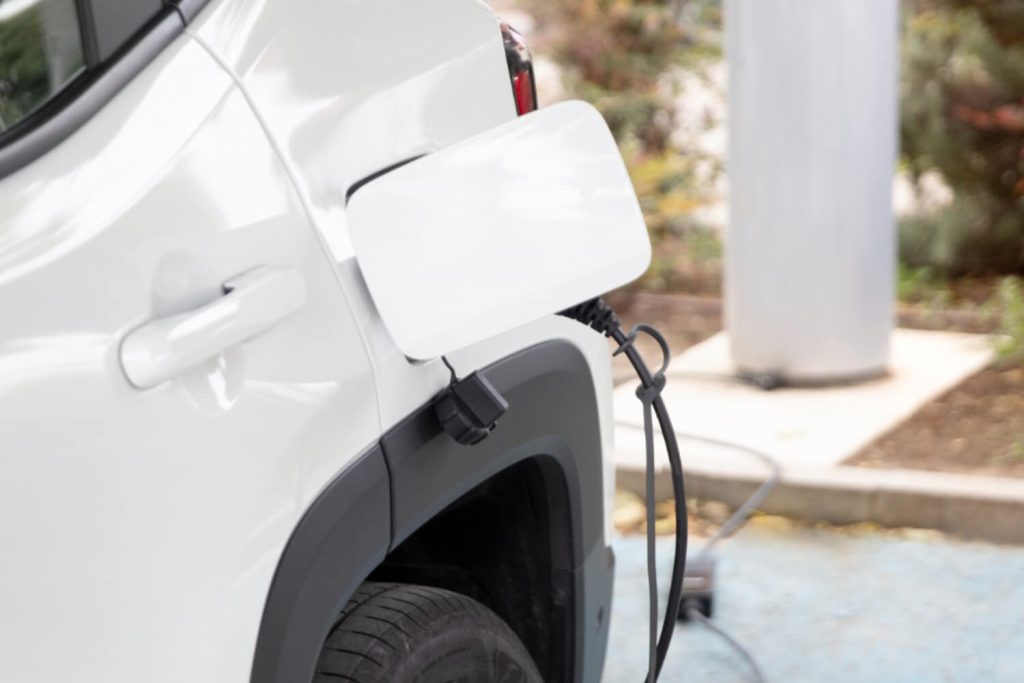
As the world shifts towards renewable energy and sustainable living, the synergy between solar power and electric vehicles (EVs) stands out as a significant advancement. Combining residential solar panels with electric vehicles not only reduces carbon footprints but also offers economic benefits. In this blog, we’ll explore why solar power and electric vehicles are a perfect match, focusing on the practicality, benefits, and considerations for integrating a solar setup for home and EVs. The Rising Popularity of Solar Power and Electric Vehicles Both solar power and electric vehicles have seen a surge in popularity over recent years. As technology advances and costs decrease, more homeowners are considering installing residential solar panels and switching to electric vehicles. Here’s why: Environmental Benefits Reduced Emissions: EVs produce zero tailpipe emissions, and when charged with solar power, their operation becomes entirely emissions-free. Sustainable Energy: Solar power harnesses the sun’s energy, a renewable resource, significantly cutting down reliance on fossil fuels. Economic Incentives Cost Savings: The decreasing solar panel cost in India for home installations, combined with savings on fuel for EVs, creates a compelling financial case. Government Incentives: Many governments, including India, offer incentives and rebates for both solar installations and electric vehicle purchases. Setting Up a Solar-Powered Home for Electric Vehicles Residential Solar Panels The first step towards integrating solar power with EVs is installing residential solar panels. These panels convert sunlight into electricity, which can be used to power your home and charge your electric vehicle. Benefits: Energy Independence: Reduce dependence on the grid and safeguard against rising electricity prices. Cost Efficiency: Lower electricity bills by generating your own power. Sustainability: Contribute to a cleaner environment by using renewable energy. Choosing the Right Solar Setup for Home When planning a solar setup for home, consider the following: Energy Requirements: Calculate your household’s energy consumption, including the additional load from charging an EV. Use this data to determine the number of panels needed. Roof Space: Ensure you have sufficient roof space to accommodate the necessary number of panels. Best Solar Panels Available in India: Opt for high-efficiency panels to maximize energy production. Brands like Tata Power Solar, Luminous, and Waaree are known for their quality and performance. Solar Panel Cost in India for Home Understanding the solar panel cost in India for home installations is crucial for budgeting. Costs can vary based on several factors: Type of Panels: Monocrystalline panels are more efficient but costlier than polycrystalline panels. Installation: Professional installation costs include labor, mounting structures, and other hardware. Inverter and Battery Storage: An efficient inverter and optional battery storage system can increase overall costs but provide greater energy independence. On average, the solar panel for home price in India ranges from ₹45,000 to ₹75,000 per kW, including installation. Integrating EV Charging Stations Installing an EV charging station at home is the next step. Consider these points: Compatibility: Ensure the charging station is compatible with your EV model. Location: Choose a convenient location in your garage or driveway. Power Rating: Select a charger with an appropriate power rating for faster charging times. Benefits of Combining Solar Power and Electric Vehicles Cost Savings: Charging an EV with solar power can significantly reduce fuel and electricity costs. Energy Independence: Generate your own clean energy and reduce reliance on the grid. Environmental Impact: Minimize carbon emissions by using renewable energy to power your vehicle. Increased Property Value: Homes equipped with residential solar panels and EV charging stations are becoming more attractive to buyers. Conclusion The combination of solar power and electric vehicles presents a powerful solution for sustainable living. By installing a solar setup for home and investing in an EV, you can enjoy significant cost savings, energy independence, and contribute to a cleaner environment. With the decreasing solar panel cost in India for home installations and the availability of the best solar panels available in India, there has never been a better time to make the switch to solar-powered living and electric mobility. Harness the power of the sun to drive your future—clean, green, and economically sound.

solar panel systems for business

Solar Panel Systems for Businesses: Benefits and Considerations | Redington Solar

As businesses strive to reduce operational costs and minimize their environmental impact, the adoption of solar energy has become an increasingly popular choice. Solar panel systems offer numerous benefits, from significant cost savings to enhancing corporate social responsibility. This blog explores the advantages of implementing solar panel systems for businesses and key considerations to ensure a successful transition. The Rise of Solar Energy in Businesses Solar energy is no longer confined to residential applications. While many homeowners have already embraced solar panel for home India systems, businesses are now recognizing the immense potential of solar power to reduce costs and enhance sustainability. Benefits of Solar Panel Systems for Businesses 1. Cost Savings One of the most compelling reasons for businesses to adopt solar energy is the potential for substantial cost savings. By generating your own electricity, you can significantly reduce or even eliminate your electricity bills. Key Points: Reduced Operational Costs: Lower electricity bills translate to direct cost savings. Tax Incentives: Many governments offer tax credits, rebates, and other incentives for businesses that install solar panel systems. Return on Investment (ROI): Although the initial investment can be high, the ROI is attractive due to ongoing savings on energy costs. 2. Energy Independence Solar energy provides businesses with greater control over their energy sources. This independence can protect against fluctuating energy prices and power outages. Key Points: Stability: With a solar panel system, businesses are less susceptible to energy price hikes. Reliability: Solar energy can be a reliable source, particularly when paired with battery storage systems that provide power during outages. 3. Environmental Impact Adopting solar energy helps businesses reduce their carbon footprint and contribute to environmental sustainability. Key Points: Lower Emissions: Solar power produces zero greenhouse gas emissions during operation. Corporate Responsibility: Demonstrates a commitment to sustainability, which can enhance brand reputation and appeal to eco-conscious consumers. 4. Increased Property Value Installing solar panels can increase the value of commercial properties. Properties with existing solar infrastructure are often more attractive to potential buyers and tenants. Key Points: Enhanced Marketability: Solar-equipped buildings are more appealing in the real estate market. Long-Term Investment: Solar installations can increase property value over time, providing long-term financial benefits. Considerations for Implementing Solar Panel Systems 1. Initial Investment While the long-term savings are significant, the initial cost of purchasing and installing a solar panel system can be high. Key Points: Financing Options: Explore financing options such as loans, leases, or power purchase agreements (PPAs) to manage upfront costs. Incentives: Take advantage of government incentives and rebates to reduce initial expenses. 2. Space Requirements Solar panel systems require adequate space for installation. Businesses need to assess their available space and determine the optimal setup. Key Points: Rooftop Installations: Ideal for businesses with large, flat roofs. Ground-Mounted Systems: Suitable for businesses with extensive land areas. 3. Energy Needs It’s essential to evaluate the energy consumption patterns of the business to design a system that meets its needs. Key Points: Energy Audit: Conduct an energy audit to understand current energy use and identify opportunities for savings. System Size: Ensure the system is appropriately sized to meet the business’s energy demands. 4. Maintenance and Durability Solar panel systems require minimal maintenance, but it’s important to consider long-term durability and potential repair costs. Key Points: Warranty: Choose solar panels with a comprehensive warranty to cover potential issues. Maintenance Plan: Develop a maintenance plan to ensure the system operates efficiently over its lifespan. 5. Regulatory Compliance Businesses must ensure compliance with local regulations and obtain necessary permits for solar panel installations. Key Points: Building Codes: Adhere to local building codes and regulations. Permits: Obtain all required permits before installation. Solar Panel Systems for Residential Use While businesses are increasingly adopting solar energy, it’s worth noting that residential applications remain highly relevant. Homeowners continue to invest in residential solar systems due to their cost-effectiveness and environmental benefits. Key Points: Best Solar System for Home: Choosing the best solar system for home involves evaluating efficiency, cost, and durability. Solar Products for Home: A variety of solar products for home use, such as solar water heaters and solar lights, complement the main solar panel system. Solar Plate for Home: High-quality solar plates for home ensure maximum energy capture and efficiency. Conclusion Implementing solar panel systems for businesses offers numerous benefits, including significant cost savings, energy independence, and enhanced sustainability. By carefully considering factors such as initial investment, space requirements, and regulatory compliance, businesses can successfully transition to solar energy. As more businesses and homeowners invest in solar power, the collective impact on the environment and the economy will be profound. Whether you are a business owner or a homeowner, adopting solar energy is a step towards a greener and more sustainable future.

finance solar panel installation

How to Finance Your Solar Panel Installation | Redington Solar

Transitioning to solar energy is an excellent way to reduce your carbon footprint and save on electricity bills. However, the initial investment can be substantial. This blog will guide you through various options available to finance solar panel installation, ensuring you can find the best solution for your needs. We will also highlight key considerations such as choosing the best solar panels for home in India, understanding the solar panel price in India for home use, and leveraging resources like the solar rooftop portal. Understanding the Costs Before diving into financing options, it’s crucial to understand the components that contribute to the overall cost of a solar panel system: Solar Panels: The primary component, where prices can vary significantly based on efficiency and brand. Always aim to get the best price solar panels without compromising on quality. Inverter: Converts the solar energy captured by the panels into usable electricity. Battery Storage: Optional, but beneficial for storing excess energy for use during non-sunny periods. Installation: Labor costs for setting up the system. Maintenance: Periodic upkeep to ensure the system functions optimally. Solar Panel Price in India for Home Use The solar panel price in India for home use can range from ₹45,000 to ₹75,000 per kW, depending on the type and brand. It’s essential to get quotes from multiple solar panel distributors in India to compare and find the most competitive pricing. Financing Options 1. Personal Savings Using personal savings to finance your solar panel installation is straightforward and avoids any interest payments. However, this requires having sufficient funds available, which might not be feasible for everyone. 2. Home Equity Loans Home equity loans allow you to borrow against the equity in your home. These loans typically have lower interest rates compared to other types of loans and can provide a substantial amount of money for larger installations. Pros: Lower interest rates. Potentially larger loan amounts. Cons: Your home is used as collateral. Longer approval process. 3. Solar Loans Many financial institutions offer loans specifically for solar installations. These loans can cover the entire cost of the system, including installation and maintenance. Pros: Specifically designed for solar projects. Can cover full installation costs. Cons: Interest rates may be higher than home equity loans. 4. Solar Leases and Power Purchase Agreements (PPAs) With a solar lease or PPA, a third party owns the solar panel system, and you pay them a fixed monthly fee or for the electricity generated by the system. This option requires little to no upfront cost. Pros: No upfront costs. Maintenance is typically included. Cons: You do not own the system. Savings might be lower compared to owning the system. 5. Government Subsidies and Incentives The Indian government offers various incentives and subsidies to encourage solar adoption. Utilizing the solar rooftop portal, you can apply for these incentives, which can significantly reduce the overall cost of your installation. Pros: Reduces upfront costs. Promotes sustainable energy use. Cons: Application processes can be complex. Availability varies by region. 6. EMI Options Many solar panel distributors in India offer equated monthly installment (EMI) options, allowing you to spread the cost over a period. This is particularly useful if you prefer smaller, manageable payments. Pros: No need for a large upfront payment. Manageable monthly payments. Cons: Interest rates might apply. Total cost might be higher than a one-time payment. Choosing the Best Solar Panels for Home in India To maximize your investment, it’s essential to choose the best solar panels for home in India. Consider the following factors: Efficiency: Higher efficiency panels generate more electricity and are ideal for limited space. Durability: Look for panels with long warranties and proven durability. Brand Reputation: Opt for reputable brands known for quality and reliability. Leveraging the Solar Rooftop Portal The solar rooftop portal is a government initiative that provides a centralized platform for information, applications for subsidies, and other resources related to solar installations. Utilizing this portal can streamline the process and ensure you benefit from all available incentives. Steps to Use the Solar Rooftop Portal: Registration: Create an account and provide necessary details. Application: Apply for subsidies and incentives available in your region. Support: Access resources and support for installation and maintenance. Conclusion Financing your solar panel installation requires careful consideration of various options. By understanding the solar panel price in India for home use and exploring different financing methods, you can make an informed decision that suits your financial situation. Whether through personal savings, loans, leases, or government incentives, there are multiple pathways to achieving sustainable energy independence. Don’t forget to consult the solar rooftop portal for additional support and to ensure you are getting the best price solar panels from reputable solar panel distributors in India. Investing in solar energy not only benefits you financially but also contributes to a greener and more sustainable future.

solar loans

Understanding Solar Loans, Leases, and Incentives

Switching to solar energy is a smart investment in both your home and the environment. Understanding available financing options will help you navigate the upfront costs and unlock its long-term benefits. Let’s break down the key ways to finance your solar switch: i.e solar loans, leases and other incentives. 1. Solar Loans How it Works: Similar to other home improvement projects, you can obtain a loan specifically designed for solar installations. You’ll repay this over time with fixed monthly payments. Benefits: Solar loans often offer attractive interest rates and flexible repayment terms. Owning your solar system allows you to reap the maximum savings and potential tax incentives. 2. Solar Leases How it Works: With a solar lease, you essentially rent the solar system from a third-party owner. You pay a fixed monthly fee but avoid the upfront costs of buying the panels outright Benefits: Solar leases often require little to no down payment, making solar energy accessible even with limited upfront budget. 3. Power Purchase Agreements (PPAs) How it Works: A PPA is another third-party ownership model. You buy the electricity generated by your solar panels at a predetermined rate, often lower than your utility company’s, without owning the system itself. Benefits: PPAs offer immediate savings on your energy bills without the full cost of system ownership and maintenance responsibilities. 4. Government Incentives and Tax Credits Federal Tax Credits: The federal solar investment tax credit (ITC) currently allows you to deduct a percentage of your solar system’s cost from your federal taxes. State and Local Incentives: Many states and local governments offer additional rebates, tax exemptions, or other incentives to encourage solar adoption. Choosing the Right Financing Option for You The best option depends on your individual circumstances and priorities: Ownership: If you prioritize long-term savings and maximizing investment benefits, a solar loan is often the best choice. Upfront Costs: Leases or PPAs can be attractive if you have limited budget to start with and want immediate energy bill savings. Maintenance: Consider if you want to handle maintenance yourself (with ownership) or have it taken care of by a third-party provider (lease/PPA).   Additional Tips Shop Around: Compare offers and terms from multiple lenders or solar providers. Research Incentives: Explore federal, state, and local incentives available in your area. These can greatly reduce your net solar investment cost. The transition to solar power is more accessible than ever with a variety of financing options. Understanding these can empower you to make informed decisions and reap the benefits of clean, sustainable energy for your home.

innovative solar solutions

Innovative Solar Solutions | Redington Solar

Solar energy is rapidly evolving, extending beyond traditional rooftop installations. Today, innovative solar solutions are transforming diverse sectors, pushing the boundaries of what we thought possible with this renewable resource. Let’s explore some of the most groundbreaking applications of solar technology: Floating Solar Farms The Concept: Also known as “floatovoltaics,” floating solar farms involve placing solar panels on platforms that float on bodies of water like reservoirs, lakes, or even oceans. Benefits: These farms utilize unused water surfaces, conserving valuable land resources. They can also reduce water evaporation and improve water quality by limiting algae growth. Solar Roads The Concept: Imagine roads and highways that can generate clean electricity! Solar roads embed durable solar cells beneath a layer of protective, translucent material, capable of withstanding the weight of vehicles. Benefits: This technology holds the potential to create a vast network of energy-generating surfaces, reducing our reliance on traditional power grids. While still under development, they offer an exciting vision for the future. Solar-Powered Transportation The Concept: Solar panels are integrated directly into vehicles like cars, buses, and even airplanes to supplement their power sources. Benefits: Solar power helps extend the range of electric vehicles, reducing reliance on charging stations. In experimental solar aircraft, it contributes to longer flight times and more sustainable aviation. Building-Integrated Photovoltaics (BIPV) The Concept: BIPV transforms traditional building materials like roof tiles, windows, or facades into energy-generating surfaces. Benefits: These installations seamlessly integrate solar technology into building design, enhancing both energy efficiency and aesthetics. Solar-Powered Textiles The Concept: Researchers are developing flexible solar cells that can be incorporated into fabrics for wearable electronics and self-powering tents and backpacks. Benefits: Solar textiles offer portable power solutions for outdoor activities, disaster relief applications, and wearable technology.   The Future is Bright (and Solar-Powered!) These innovative solar solutions showcase the remarkable versatility and potential of solar energy. As solar technology continues to improve, we can expect even more creative and transformative ways to harness the sun’s power – shaping a cleaner, more sustainable future for our planet.

property value

The Impact of Solar Panels on Property Value

Especially in a world that gradually adapts to the critical need for sustainability and sustainable energy solutions, residential solar panels are becoming increasingly popular. This move not only cuts down on the bills for electricity but is also an important step if you wish to boost property value. Solar energy, as a potential source of electricity, has been acknowledged by homeowners across the globe (this includes India) as well. In this article, we will explore how setting up a residential solar power system can influence property worth, concentrating more on the Indian conditions. Increased Property Value One of the top reasons to get a solar system for a home in India is the rise in property value. There are many studies that show homes with residential solar setup for home sell at a premium over non-solar homes. This is due to the fact that solar homes are cheaper on utilities as well as eco-friendly. With energy efficiency and sustainability increasingly important to the consumer, a solar-powered home is in demand in the market. Cost Considerations When we talk about solar panel for home price in india, it is very important to mention the payback period in comparison to the initial investment. Although the initial outlay in setting up a solar system can be high, most of this tends to come back after just a few years through reduced electricity bills and an increased property price. In addition, government incentives and subsidies can help balance the upfront necessary expenditure to make investing in solar more cost-effective for homeowners. Best Solar Panels To Choose Given the long-term nature of the investment in solar, choosing the most efficient solar panels available in India is important for you. While we have some factors, such as efficiency, durability, and warranty to consider solar panels. Although high-efficiency panels typically command a premium price they provide the best performance and will result in faster payback. These are brands like Tata Power Solar and Vikram Solar, both very well-known names in the Indian market that have proven to many households how reliable, light yet powerful solar panels can be. Installation and Maintenance A well-constructed house solar system does not only increase the value of your home but guarantees top performance even though it endures many years. It will need to be professionally installed by certified technicians to prevent some of the problems and guarantee it can achieve top performance. To prolong the life of your solar panels, they will have to be regularly cleaned and the inverter checked. Financial and Environmental Impacts In addition to the boost to your property value, residential solar also offers short and long-term positive environmental impacts. Homeowners can add to the solution of reducing carbon stuck in the atmosphere by not using those fossil fuels from the ground — and making a lot cleaner world for all of us. The amount you will save on your electricity bills from an investment in solar panels could mean significant savings in the long run, particularly when energy prices continue to get higher. Conclusion Incorporating a solar system for home in India is a wise investment that offers multiple benefits. From increasing property value to providing substantial savings on electricity bills, the advantages are clear. By choosing the best solar panels available in India and ensuring proper installation and maintenance, homeowners can enjoy these benefits for many years. As the demand for sustainable living grows, so does the appeal of solar-powered homes, making now the perfect time to consider making the switch. Redington Solar is among one of the largest solar panel distributors in India. Get a residential solar panel for your home with Redington Solar.

future of solar energy

The Future of Solar Energy: Trends to Watch

Amongst these clean, renewable energy sources, future of solar energy has risen to become a paramount solution. With new technologies and an environmentally concerned global community, solar energy no doubt has a bright future. This blog is all about the futuristic trends of solar plate prices for homes and the best solar system for home. 1. More Efficient Solar Panels The efficiency of solar panels is the critical factor in how well a solar energy system will work. Advances in photovoltaic technology are advancing the frontiers of possibility. High-efficiency panels, like PERC (Passivated Emitter and Rear Cell) technologies and bifacial designs, increase how many watts are produced per square meter of your roof. Solar energy-based electricity harnessing utility is now looking more feasible and economical at home with the latest and improved solar panels in India, which have the potential to maximize sunlight conversion into electricity. 2. Falling Prices  Prices for solar energy systems are falling, making them more affordable to more people. Home solar plate prices have decreased with improvements in manufacturing procedures and economies of scale. This trend is set to carry on with further technological innovations and increased demand. As a result, installing solar systems is becoming more financially accessible to homeowners, helping them save on their energy bills in the long run. 3. Integration with Smart Home Technologies The future of solar is closely related to the rise of home automation. When solar energy systems are integrated with smart home devices, homeowners can more effectively monitor and optimize their energy usage. The right solar system for home, paired with advanced energy management systems, can adjust energy consumption automatically based on solar production, ensuring efficiency and sustainability. This also helps store more energy to use during nighttime or cloudy days. 4. Growth of Solar Storage Solutions Energy storage is one of the key components of a good solar solution. Progress in lithium-ion and solid-state battery technology is enabling the more efficient storage of excess solar power. Different designs for these storage solutions are becoming more accessible, making adequate power reserves possible even on days the sun does not shine. In tandem with the fall in solar system at-home prices, this makes solar energy more feasible and consistent for residential use. 5. Solar Rooftop Insurance With wider content on solar energy systems, the greater the need for innovative insurance solutions. Solar rooftop insurance is now becoming one of the most important subjects to understand for homeowners investing in this technology. This policy offers peace of mind that any damage suffered by the solar panels and inverter (or other gear) will be covered, protecting the investment. As premium rates decrease and solar-specific policies become more widely available, homeowners can protect their investments against unexpected events like natural disasters or equipment breakdown. 6. Government Policies and Incentives Government policies and incentives are major drivers of solar energy adoption. The falling cost of solar panels is one factor, but subsidies, tax credits, and grants make it more financially feasible for homeowners to cover their rooftops with solar. These incentives help reduce the initial installation price, lowering the solar system in-home price. With a global push for countries to invest in renewable energy, we may expect more favorable and lucrative policy incentives, promising sustainable growth of the solar industry. 7. future of Solar Panel Design Innovation The design of solar panels is changing to meet both the aesthetic and functional needs of today’s homes. Innovations like Building-Integrated Photovoltaics (BIPV), which allow solar panels to be integrated into the design of a home, in roof tiles or facades, make solar installations look better and utilize more surface area for power generation. This is especially good news for anyone looking to go green in style. 8. Solar Financing: More Options for Homeowners Solar is becoming increasingly attainable, as flexible options for financing solar are springing up. Homeowners have many options to finance their solar installations, from solar leases and power purchase agreements (PPAs) to creative loan products. Such options could make the ideal solar system for home less intimidating by spreading the cost over years, enabling homeowners to leverage solar energy without needing to spend a fortune upfront. Summary The solar power outlook appears extremely favorable, driven by continuous technological innovations, falling prices, and encouraging government measures. With an acceptable solar plate price for home and increased efficiency of the best solar panels in India, more homeowners will soon be able to power up using renewable energy. Thanks to advancements in energy storage, smart home enablement, and solar panel design improvements, we are seeing energy systems that are more efficient, reliable, and aesthetically pleasing. In addition, the availability of end-to-end solar rooftop insurance cover and customized financing products is further driving the growth of solar energy. Homeowners who keep an eye on these trends can make informed decisions and save money—as well as the planet. Click here to know more about the role of solar panels in sustainable living.

solar panel maintenance

Solar Panel Maintenance Tips for Longevity

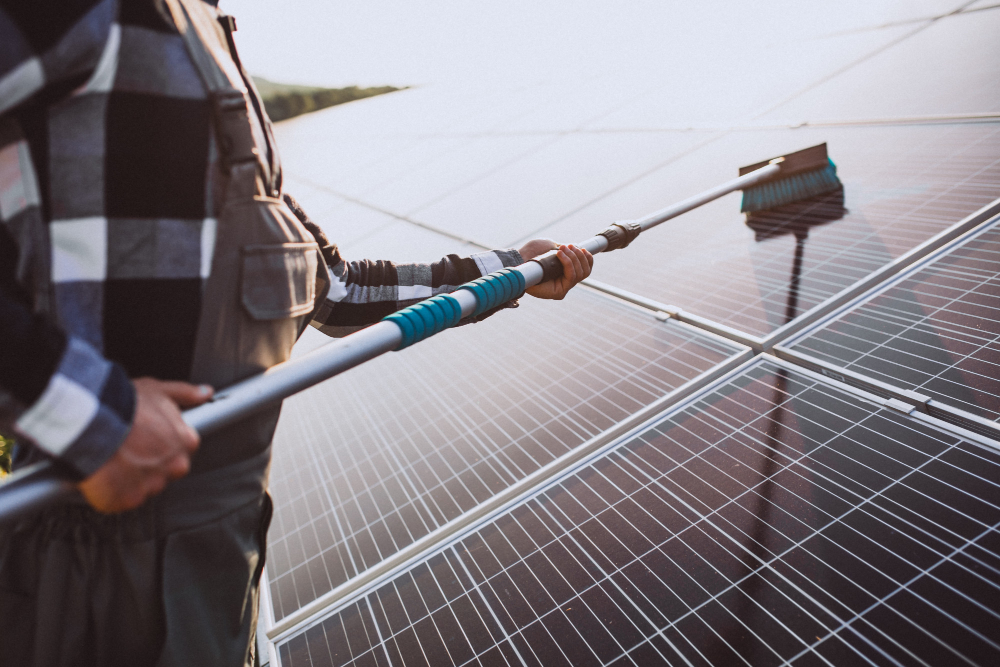
  Home residential solar panels are an incredible approach for homeowners to secure themselves from rising energy prices as well as save the environment. But for you to enjoy all the perks and for your home solar solutions to stay put for many years, it is very important to perform solar panel maintenance regularly. With solar panels expected to last between 20-30 years, it is important that they are cared for and maintained to ensure the longevity of your system. To maintain an effective production of home solar power, follow these critical points below: 1. Regular Solar Panel Cleaning  The cleaning of the resident sunshine power is one of those maximum basic capabilities that work. As the panels are laying horizontal, they get dirty with dust, dirt, bird droppings, and other debris. This can make your solar panels work less efficiently. Here is a way to keep them clean: Clean Often: It depends on where you are cleaning, but a good rule of thumb is every month. In dusty regions, you may need to clean your panels more often. Clean the Solar Panels using a gentle material: You can use warm or plain water and a soft sponge, rag, or sandals to cleanse your solar panels. Avoid materials that could scratch the surface. Do Not Use Harsh Chemicals: Mild soap and water will do. Harsh chemicals on the panels can be abrasive and harsh, damaging the surfaces of the panel and in turn, reducing its efficiency. 2. Inspect for Damage Scheduled inspections can also find indications of problems before they can present significant issues. Look for: Cracks or Chips: Examine the panels for any visible damage. Cracks or chips in the panel can impair its effectiveness and might not be easy to repair yourself. Loose Connections: Inspect the connections and wiring for wear and looseness. Means of Mounting: Look for corrosion between components (specifically in the mounting system) and electrical components. 3. Monitor Performance Create a monitoring system to track how you are doing with respect to the home solar solutions. Maintaining a solar monitoring app or system on many contemporary solar systems enables you to: Monitor Energy Production: Keep track of the amount of energy your panels are producing each day. Rapid decreases in performance are a red flag and shouldn’t be taken for granted. Find Anomalies: Notice any differences in performance that might need to be looked at by a professional.  4. Trim Nearby Trees  The newest solar panels will underperform due to the expansion of nearby trees blocking your system from reaching max capacity. Prune any branches near your panels that will fall over them or block them during the hours they are most effective. This will make sure that your home solar arrangement is getting daylight most of the day.    5. Professional Inspections  In regular self-inspections and cleaning, you will not get professional cleanup that can only be done by experts. Scheduling professional inspections and solar panel maintenance on a regular basis will make sure that your home’s solar panels work as they should. Professionals can: Discover and Repair Issues: They may discover and repair issues that someone less skilled would have difficulty perceiving. Necessary Repairs: Certified technicians can perform any fixes or adjustments necessary to keep your system running effectively. Deliver System Upgrades: They may propose and set up improvements for your system, improving its overall performance.     6. Check for Inverter Issues  The inverter is the most important part of your solar system. An inverter converts direct current generated by your panels to alternating current used for your home power. Monitor the inverter routinely for error messages or caution symbols. If you see any problems, contact a professional to help.    7. Stay Informed About Warranties Understand the warranties provided with your solar products for home. Knowing the terms and coverage of your warranties can save you money on repairs and replacements. Keep all warranty documents in a safe place and make a note of the warranty periods for different components of your system.    8. Compare Solar Panel for Home Prices Stay updated on the solar panel for home price trends. This knowledge can help you make informed decisions if you need to replace or upgrade any components of your system. Prices can vary significantly, and being informed can ensure you get the best value for your investment. Conclusion Proper maintenance of your home solar solutions is key to ensuring their longevity and efficiency. By following these tips, you can maximise the lifespan of your residential solar panels and continue to enjoy the financial and environmental benefits they provide. Regular cleaning, inspections, performance monitoring, and professional maintenance are all essential steps in keeping your solar setup for home in top condition. Investing time in maintaining your solar system not only enhances its performance but also ensures that you reap the full benefits of your investment for many years to come. As solar technology continues to evolve, staying informed and proactive about solar panel maintenance will help you stay ahead in the journey towards sustainable living.  

solar energy and battery storage

Solar Energy and Battery Storage: What You Need to Know

Solar energy has been embraced on a large scale, and India is no stranger to this. As more and more homeowners adopt residential solar systems, it is important to shed some light on the complexities of solar energy and battery storage. This guide therefore provides a review of the fundamentals behind commercial and residential solar and battery technologies, considerations, and opportunities associated with their integration in both existing structures and new construction projects. The Basics of Solar Energy Solar energy harnesses the power of the sun through photovoltaic (PV) panels, converting sunlight into electricity. This clean and renewable energy source can significantly reduce electricity bills and carbon footprint. In India, where sunlight is abundant, leveraging solar products for home use in India has become a practical and sustainable choice. Importance of Battery Storage Solar panels produce electricity during daylight hours, and the excess energy is stored in battery storage systems which can be discharged for use on nighttime or cloudy days. This helps in providing a power backup and ensures that your home solar systems do not waste or lose maximum efficiency of electricity. This is especially useful for locations where power outages occur quite often, considering that it is guaranteed a reliable source of extra backup power. Choosing the Best Solar System for Home in India Selecting the best solar system for home in India involves considering several factors: Energy Needs: Assess your household’s energy consumption to determine the appropriate size of the solar system and battery storage. Panel Efficiency: Opt for high-efficiency panels that offer better performance and quicker return on investment. Battery Capacity: Ensure the battery storage system has sufficient capacity to meet your energy needs during non-sunny hours. Cost and Incentives: Evaluate the costs, including installation and maintenance, and explore government incentives and subsidies that can reduce the overall expense. Top Solar Products for Home Use in India The Indian market offers a variety of solar products for home use in India, catering to different needs and budgets. Some popular products include: Solar Panels: Essential for capturing sunlight and generating electricity. Renowned brands like Tata Power Solar and Vikram Solar are leading solar panel distributors in India. Solar Inverters: Convert the DC electricity generated by solar panels into AC electricity used in homes. Battery Storage Systems: Store excess energy for later use, ensuring a continuous power supply. Role of Solar Panel Distributors in India Solar panel distributors in India are largely responsible for the adoption of solar energy. They offer a vast array of different products, from solar panels and inverters to full solar kits, in addition to installation and maintenance services. The distributor you choose to work with will make sure you are not only getting an excellent system but also receiving crucial support from professionals throughout the installation. Installation and Maintenance Proper installation is vital for the optimal performance of your solar panel for home India. It’s recommended to hire certified professionals to ensure the system is correctly installed and configured. Regular maintenance, including cleaning the panels and checking the inverter, is essential to maintain efficiency and extend the lifespan of the system. Financial and Environmental Benefits Investing in residential solar systems with battery storage offers numerous financial and environmental benefits: Reduced Electricity Bills: Generate your own electricity and reduce dependency on the grid. Energy Independence: With battery storage, you can store surplus energy and use it during power outages or peak usage times. Environmental Impact: Lower carbon emissions and contribute to a cleaner environment by using renewable energy. Conclusion Going solar and adding batteries are very big-picture decisions for your home. To avail of all these benefits, it is essential to grasp different things right from the selection of the best solar system in India for home to installation and maintenance. Fortunately, with trusted solar panel suppliers and several solar products for home use available in India, going solar has become simpler than before. This is how homeowners achieve reliable, inexpensive, and sustainable energy by installing solar panels on their property for household use or with battery storage. With an increasing demand for clean energy options, understanding what to look for and use will enable the future homeowner to utilize solar power to its fullest potential in their home.

Contact Us