Redington, Author at Redington Solar - Page 11 of 20

Author name: Redington

sustainable living

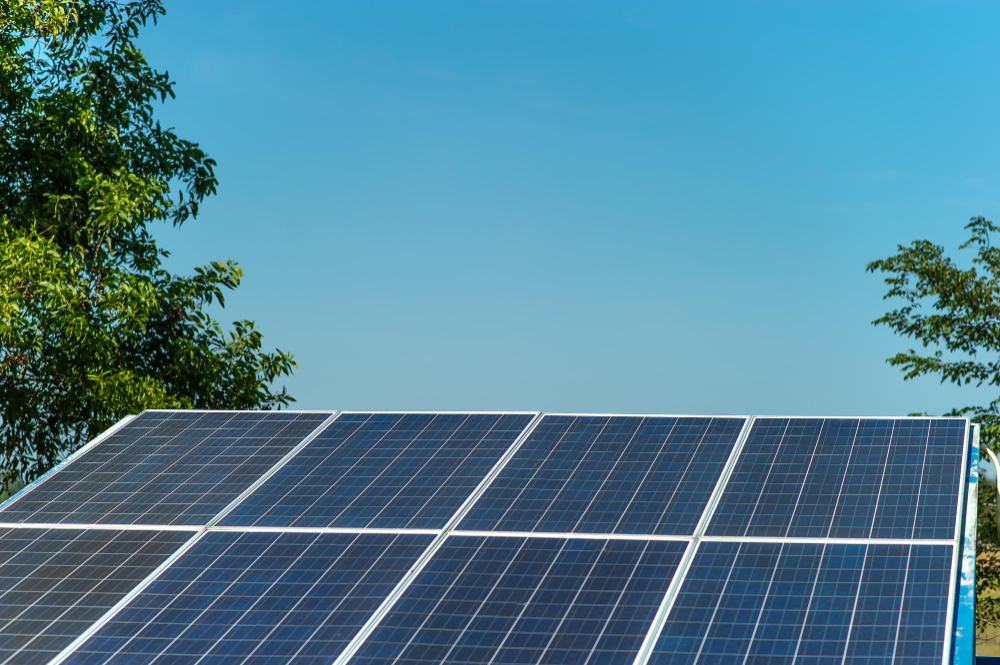
The Role of Solar Panels in Sustainable Living

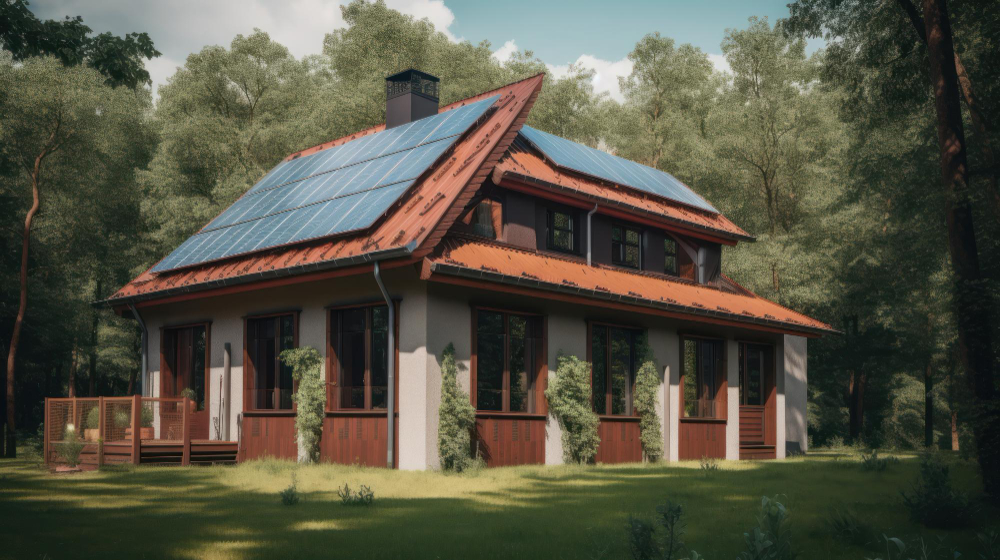
In the quest for a sustainable living, solar energy stands out as a pivotal player. Solar panels, in particular, have revolutionised how we generate and consume energy, offering a clean, renewable source that can significantly reduce our carbon footprint. This blog explores the critical role of solar panels in promoting sustainable living, with a focus on the Indian context. We’ll discuss the best solar panels, their costs, and the availability of solar products for home use in India, along with insights into residential solar systems and the role of solar panel distributors in India. The Importance of Sustainable Living Sustainable living involves adopting practices that reduce our environmental impact, ensuring that natural resources are preserved for future generations. One of the most effective ways to achieve this is through the utilisation of renewable energy sources like solar power. Solar panels convert sunlight into electricity, providing a clean, efficient, and sustainable energy solution. Benefits of Solar Panels Environmental Impact: Solar panels reduce greenhouse gas emissions by providing a clean energy source. Unlike fossil fuels, solar energy does not produce harmful pollutants or carbon emissions. Energy Independence: By generating your own electricity, you reduce reliance on grid power and contribute to energy security. Cost Savings: Over time, solar panels can significantly reduce electricity bills. With the right setup, homeowners can achieve substantial savings and even generate excess power that can be sold back to the grid. Increased Property Value: Homes equipped with solar panels often have higher property values due to the long-term energy savings and environmental benefits they offer. Choosing the Best Solar Panels Selecting the best solar panels is crucial for maximizing the benefits of solar energy. Here are some top considerations: Efficiency: High-efficiency panels convert more sunlight into electricity, offering better performance and quicker return on investment. Durability: Look for panels with a long warranty period and proven durability in various weather conditions. Cost: Balancing quality and cost is essential. While high-efficiency panels may have a higher upfront cost, they can offer greater savings in the long run. Solar Panel Cost in India for Home Understanding the solar panel cost in India for home installations is vital for planning your investment. The cost can vary based on several factors: Type of Panels: Monocrystalline panels are typically more efficient and expensive than polycrystalline panels. System Size: Larger systems that generate more power will naturally cost more. Installation and Equipment: Costs include not just the panels, but also inverters, mounting structures, and installation labor. Government incentives and subsidies can significantly reduce these costs, making solar energy more accessible to homeowners. It’s advisable to use a solar calculator to estimate the total cost and savings for your specific situation. Solar Products for Home Use in India A wide range of solar products for home use in India is available, catering to various energy needs and budgets. These products include: Solar Water Heaters: Efficiently heat water using solar energy, reducing electricity consumption. Solar Lighting Systems: Provide reliable lighting solutions for both indoor and outdoor use. Solar Inverters: Convert the DC electricity generated by solar panels into AC electricity used in homes. Solar Battery Storage: Store excess energy generated during the day for use at night or during power outages. Residential Solar Systems for Sustainable Living Residential solar systems encompass all the components needed to generate and use solar energy in a home. A typical system includes: Solar Panels: Capture sunlight and convert it into electricity. Inverter: Converts the generated DC power into usable AC power. Battery Storage: Stores excess energy for later use. Mounting Structure: Secures the panels to the roof or ground. Monitoring System: Tracks the performance and efficiency of the solar system. Role of Solar Panel Distributors in India Solar panel distributors in India play a crucial role in the adoption of solar energy. They provide high-quality products, offer installation services, and ensure that systems are designed and implemented correctly. Leading distributors such as Tata Power Solar, Vikram Solar, and Waaree Energies offer a range of reliable and efficient solar panels and related products. Conclusion Solar panels are indispensable in the journey towards sustainable living. By choosing the best solar panels, understanding the solar panel cost in India for home installations, and utilising various solar products for home use in India, homeowners can significantly reduce their environmental impact and achieve energy independence. The role of residential solar systems and solar panel distributors in India is pivotal in making solar energy accessible and practical for everyone. As more people adopt solar energy, we move closer to a sustainable future where clean, renewable energy powers our lives. Embracing solar energy not only benefits the environment but also offers long-term financial savings and energy security. By making informed choices and leveraging available resources, we can all contribute to a greener, more sustainable world. Redington Solar is one of the biggest distributors for residential solar panels in India.  
Hybrid Inverters

Hybrid Inverters & Their Diverse Applications

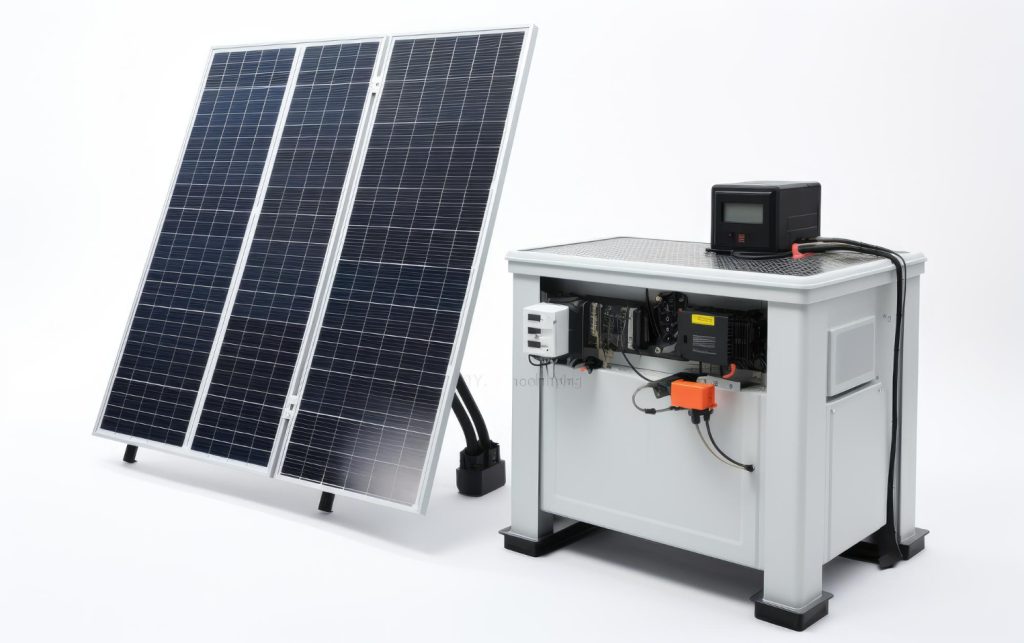
In the world of renewable energy, hybrid inverters are emerging as key players in revolutionizing the way we harness and utilize power. These intelligent devices seamlessly integrate solar panels, batteries, and the grid, paving the way for a more efficient and sustainable energy ecosystem. What are Hybrid Inverters: A hybrid inverter has the ability to intelligently manage multiple energy sources. Unlike traditional inverters that convert direct current (DC) from solar panels into alternating current (AC), hybrid inverters go a step further. They not only facilitate the smooth integration of solar power but also efficiently manage energy storage and grid connectivity. Applications of Hybrid Inverters: 1. Solar Self-Consumption: When solar energy production exceeds immediate consumption needs, the excess energy is intelligently directed to charge batteries or fed back into the grid, ensuring minimal waste and maximum utilization of the generated power. 2. Energy Independence: One of the most impressive applications of hybrid inverters is their role in achieving energy independence. By combining solar panels with energy storage solutions, users can draw on stored energy during periods of low sunlight or grid outages, reducing reliance on external power sources. 3. Peak Shaving and Load Shifting: Hybrid inverters are efficient at peak shaving—the practice of using stored energy during periods of high electricity demand to offset peak utility charges. Additionally, they facilitate load shifting by allowing users to schedule when to use stored energy, optimizing cost savings, and reducing strain on the grid during peak hours. 4. Uninterrupted Power Supply (UPS): In regions prone to power outages, hybrid inverters function as effective uninterruptible power supplies (UPS). When the grid goes down, these inverters seamlessly switch to battery power, providing uninterrupted electricity to critical appliances and systems. 5. Grid Support Services: It contribute to grid stability by providing ancillary services. Through smart grid connectivity, these devices can respond to grid signals, supplying excess energy to support the grid during periods of high demand or voltage fluctuations. Conclusion: These are at the forefront of the energy revolution. Their applications ranges from optimizing solar self-consumption and ensuring energy independence to peak shaving, load shifting, and even providing crucial grid support. As technology continues, to advance, these hybrid inverters play an important role in shaping a sustainable energy future.

off grid solar system

Off-Grid Solar System: Is Solar Energy a Viable Option?

As the world becomes more eco-conscious, the lifestyle with off-grid solar system  has emerged as an appealing choice for many. Living off the grid means being independent of public utilities, relying instead on self-sufficient energy sources. One of the most popular and viable options for off-grid living is solar energy. In this blog, we will explore the feasibility of using solar energy for off-grid living, focusing on the Indian context and addressing key considerations such as the solar system for home in India, choosing the best solar panels in India, and the importance of solar rooftop insurance. Understanding Off-Grid Living Off-grid living involves producing your own electricity, water, and other essential services. Solar energy is a prime candidate for off-grid living due to its abundance, especially in sunny regions like India. With a properly designed residential solar system, it is possible to generate sufficient electricity to power a home independently. Benefits of Solar Energy for Off-Grid Living 1. Sustainable Energy Source: Solar energy is renewable and sustainable, reducing the dependence on fossil fuels and lowering carbon footprints. 2. Cost Savings: Over time, solar energy can lead to significant savings on electricity bills. While the initial setup cost may be high, the long-term benefits outweigh the expenses. 3. Energy Independence: Off-grid living with solar energy provides complete independence from public utilities and fluctuating energy prices. 4. Reliability: With advancements in solar technology and battery storage, solar systems can provide reliable and consistent power, even in remote locations. Setting Up a Solar System for Home in India To establish an effective solar system for home in India, several components and considerations are essential: Solar Panels Selecting the best solar panels in India is crucial for an efficient off-grid system. Here are some top choices: ● Tata Power Solar: Known for their efficiency and durability. ● Vikram Solar: Offers high-performance panels with excellent warranties. ● Waaree Energies: Provides a range of reliable and affordable panels. When choosing solar panels, consider their efficiency, durability, and the manufacturer’s warranty. The solar plate for home should be able to generate enough electricity to meet your household needs Battery Storage Battery storage is a vital component of an off-grid solar system, allowing you to store excess energy generated during the day for use at night or during cloudy periods. Lithium-ion batteries are popular due to their high efficiency and long lifespan. Inverter The inverter converts the DC electricity generated by solar panels into AC electricity used by household appliances. A high-quality inverter ensures that your solar system operates efficiently and reliably. Installation and Maintenance Proper installation is key to the performance and longevity of your solar system. It is recommended to hire certified professionals for the installation process. Regular maintenance, including cleaning the panels and checking the battery and inverter, ensures optimal performance. Solar Rooftop Insurance Investing in solar rooftop insurance is a wise decision to protect your solar investment. This insurance covers damages caused by natural disasters, theft, and other unforeseen events. It ensures that your solar system remains a reliable source of energy without unexpected financial burdens. Financial Considerations While the initial investment for an off-grid solar system can be significant, various government incentives and subsidies are available to reduce the solar system for home in India costs. Additionally, the long-term savings on energy bills and the increased property value make solar energy a financially sound investment. Challenges of Off-Grid Living with Solar Energy While solar energy offers many benefits, there are also challenges to consider: 1. Initial Costs: The upfront cost of setting up a comprehensive solar system can be high. 2. Energy Storage: Efficient battery storage solutions are essential to ensure a consistent power supply. 3. Maintenance: Regular maintenance is required to keep the system functioning optimally. 4. Weather Dependency: Solar energy generation is dependent on sunlight, which can be a limitation in areas with less sunlight. Conclusion Off-grid living with solar energy is a viable and sustainable option, particularly in a sunny country like India. By investing in high-quality residential solar systems and the best solar panels in India, and ensuring proper installation and maintenance, homeowners can achieve energy independence and enjoy significant cost savings. Additionally, securing solar rooftop insurance provides peace of mind and protection for your investment. As the demand for renewable energy grows, solar technology continues to advance, making off- grid living with solar energy more accessible and practical than ever before. Whether you are considering a complete transition to off-grid living or looking to supplement your energy needs, solar energy presents a promising and eco-friendly solution.

how solar panels work

How Solar Panels Work: A Comprehensive Guide | Redington Solar

Understanding how solar panels work can help you as solar panels have become an increasingly popular choice for homeowners seeking to reduce their electricity bills and allow them to make informed decisions about installing a solar system at home. This comprehensive guide will delve into the workings of solar panels, their benefits, and how to choose the best solar panels for home use. We will also discuss the solar system for home price in India and tools like a solar calculator to estimate your savings. Understanding How Solar Panels Work The Basics of Solar Power Solar Panels work through a process called the photovoltaic effect where they convert sunlight into electricity. There are a lot of pieces to this: Photovoltaic (PV) Cells: The core components of solar panels are composed of materials such as silicon. Sunlight strikes the PV cells, knocking electrons loose and creating an electric current. Inverter: Changes the direct current (DC) electricity created by the PV cells into alternating current (AC) electricity, which is what you use in your home. Mounting system: Attaches the solar panels to your roof or area. Battery Storage: optional yet increasingly popular, to store any excess energy for use when the sun is not shining. How PV Cells Generate Electricity The semiconductor material absorbs the photons from sunlight and photons knock loose electrons in the silicon. This energy makes the electrons excited so that they are free to flow. These free electrons flow away from the cell to the metal contacts, and thus — captured at the top and bottom of PV cells by metal contacts — when connected to an electric circuit, they create an electric current. Factors Influencing Solar Panel Efficiency Several factors affect the efficiency and performance of solar panels: Panel Orientation and Tilt: Panels should be oriented to capture the maximum amount of sunlight, typically facing south in the northern hemisphere. Shading: Even partial shading can significantly reduce a panel’s efficiency. Temperature: High temperatures can reduce the efficiency of solar panels. Quality of Materials: High-quality panels typically perform better and last longer. Choosing the Best Solar Panels for Home Use When selecting the best solar panels for home, consider the following factors: Efficiency: Higher efficiency panels generate more electricity from the same amount of sunlight. Durability: Look for panels with strong warranties and proven longevity. Cost: Balance your budget with the expected performance and savings. Manufacturer Reputation: Choose reputable manufacturers known for quality and customer service. Solar Panel Price in India for Home Use The solar panel price in India for home use varies widely based on several factors, including the type of panel, the manufacturer, and the installation costs. On average, solar panels can range from INR 20,000 to INR 60,000 per kW. Additional costs include inverters, mounting systems, and potential battery storage. Factors Affecting Costs Panel Type: Monocrystalline panels tend to be more expensive but offer higher efficiency. Polycrystalline panels are more affordable but slightly less efficient. System Size: Larger systems cost more but provide greater savings in the long run. Installation: Professional installation ensures optimal performance and longevity but adds to the initial cost. Solar System for Home Price in India The solar system for home price in India can vary depending on the size and components of the system. For a typical home, a 3 kW to 5 kW system is often sufficient, costing between INR 1,00,000 and INR 3,00,000 including installation. Cost Breakdown Panels: INR 20,000 to INR 60,000 per kW Inverter: INR 15,000 to INR 25,000 Mounting and Installation: INR 10,000 to INR 30,000 Battery (optional): INR 20,000 to INR 70,000 Using a solar calculator can help estimate the total cost and potential savings based on your specific energy usage and location. Finding the Best Solar Panel in India for Home To find the best solar panel in India for home, consider the following top brands known for quality and reliability: Tata Power Solar: Known for high-efficiency panels and robust customer support. Loom Solar: Offers a range of affordable and efficient panels. Waaree Energies: Provides durable panels with strong warranties. Adani Solar: A reputable brand with high-quality products and good service. Using a Solar Calculator A solar calculator is a valuable tool for estimating the costs and benefits of installing solar panels. It considers factors like your location, roof size, energy consumption, and local electricity rates to provide an estimate of the system size you need, the cost, and your potential savings. How to Use a Solar Calculator Enter Your Location: This helps determine the amount of sunlight your area receives. Input Your Energy Consumption: Provide details about your average monthly electricity usage. Roof Size and Orientation: Input the dimensions and orientation of your roof. Calculate: The tool will estimate the optimal system size, costs, and savings. Conclusion Solar panels offer a sustainable and cost-effective way to power your home. Understanding how they work and knowing what to look for in the best solar panels for home can help you make the best decision for your energy needs. Considering the solar panel price in India for home use and using a solar calculator can further aid in planning and budgeting your solar installation. With the right information and tools, you can harness the power of the sun to reduce your electricity bills and contribute to a greener planet.  

rebates for solar panel

Government Incentives and Rebates for Solar Panel Installation

Solar energy is being adopted more and more as homeowners start to recognize the benefits of a more sustainable lifestyle. This transition is being stimulated by governments around the world in countries such as India, providing a range of incentives and rebates for solar panel on the roof. Financial help of this degree greatly lowers the expense, which already makes solar energy more cost-effective. Discover how govt grants for solar can now be maximized with the help of the solar rooftop portal and the solar calculator today. Understanding Government Incentives and Rebates for Solar Panel Solar panel installation government incentives: Government incentives that make solar panels more affordable can come in the form of subsidies, tax credits, or rebates. Therefore, they try to compensate a part of the high initial investment required for the installation of a solar system to make shifting towards solar energy more attractive for homeowners. Subsidies Subsidies are financial aids provided by the government to lower the cost of solar panels and installation. In India, the Ministry of New and Renewable Energy (MNRE) offers substantial subsidies for residential solar projects. These subsidies can cover a significant portion of the solar system in home price, making solar energy more affordable for the average homeowner. Tax Credits Homeowners can take tax credits that allow them to write off a percentage of the cost of installing solar against their taxes. This demand-driven payment lowers the original solar power investment cost, which further encourages people to invest in a solar energy system. These tax credits can range up to 30% of the installation costs in certain areas. Rebates:  Local governments and utility companies offer direct cash back after solar system installation. These incentives differ by state and the capacity of the solar system. Frequently, these rebates for solar panel installation can be applied for by homeowners using the solar rooftop portal of their local government or utility company. Tools to Maximise Your Benefits To take full advantage of government incentives, it is crucial to use available resources and tools that simplify the process of planning and applying for solar installations. Solar Rooftop Portal  Online platform for generation through solar installed on the rooftop of houses to provide details about subsidy etc. and seek their application for price return assistance to installation of solar mechanism System(Job). The portal will be created to help homeowners streamline their applications and receive best-in-its-kind claims in a timely fashion. The portal provides information on approved installers, subsidy schemes available, and even step-by-step instructions for anyone applying for rebates. Solar Calculator  A solar calculator is a must-have tool to determine how much you will pay and save when investing in a solar system for your home. As an example, this calculator asks for details like location, energy use, and roof size to estimate the price of a solar system in your home, indicate how much money you may save on electricity bills, and how long it can take to pay off. It will also locate you the cheapest solar panels tailored to your needs to ensure you are as informed as possible when making a decision. Choosing the Best Solar Panels for Home Selecting the best solar panels for your home is crucial for maximizing the benefits of your solar investment. High-quality panels offer better efficiency, durability, and return on investment. When choosing solar panels, consider factors such as: Efficiency: Higher-efficiency panels generate more electricity from the same amount of sunlight. Durability: Look for panels with a long warranty period and proven durability in various weather conditions. Cost: Compare the price of solar panels from different manufacturers to find a balance between cost and quality. Conclusion Government incentives and rebates for solar panel installation make transitioning to solar energy more feasible and attractive for homeowners. By leveraging tools like the solar rooftop portal and solar calculator, you can simplify the process and ensure you receive the maximum benefits available. Selecting the best solar panels for the home and understanding the solar system in home price are crucial steps in making a well-informed decision. The more people install solar, the greater the effect on the environment as well as on the energy demand. By making use of the tax breaks provided by governments, and using the most suitable product combinations you can create a positive impact on tomorrow’s future while saving a great deal in your wallet.

solar panels in different climates

Solar Panels in Different Climates: What to Expect | Redington Solar

As the adoption of solar energy grows, understanding how solar panels perform in various climates becomes essential for maximizing their benefits. Solar energy is a versatile solution, but its efficiency and performance can be influenced by environmental conditions. This blog explores how solar panels in different climates operate, with a focus on leveraging resources like the solar rooftop portal, understanding the solar system in home price, and choosing the best solar panels for homes in India. Solar Panel Performance in Various Climates Tropical Climates In tropical regions, characterized by high temperatures and abundant sunshine, solar panels can perform exceptionally well. However, there are some considerations: High Temperatures: While solar panels generate more electricity with more sunlight, excessive heat can reduce their efficiency. High-quality panels with excellent heat tolerance are crucial in these climates. Monsoon Season: Tropical climates often experience heavy rains and high humidity during the monsoon season. It’s essential to ensure that the panels are waterproof and resistant to corrosion. Arid and Desert Climates Desert regions offer plenty of sunlight, making them ideal for solar energy production. Key factors include: Extreme Heat: Like tropical climates, extreme heat can impact efficiency. Panels designed to operate efficiently at higher temperatures are recommended. Dust and Sand: Accumulation of dust and sand can block sunlight and reduce efficiency. Regular cleaning and maintenance are necessary to keep the panels performing optimally. Temperate Climates Temperate regions, with moderate temperatures and seasonal variations, are generally well-suited for solar panels. Here’s what to consider: Seasonal Variations: Solar energy production can vary significantly between summer and winter. During winter, shorter daylight hours and potential snowfall can reduce energy generation. Mild Conditions: Moderate temperatures are ideal for solar panels, as they do not face the extreme heat-related efficiency losses seen in tropical and desert climates. Cold and Snowy Climates In colder regions, solar panels can still be effective with the right approach: Snow Coverage: Snow can block sunlight from reaching the panels. However, snow can also clean panels as it melts and slides off. Installing panels at an angle can help facilitate snow removal. Cold Temperatures: Cold temperatures can actually enhance the efficiency of solar panels, as they perform better in cooler conditions. Leveraging the Solar Rooftop Portal The solar rooftop portal is a valuable resource for homeowners considering solar installations. This platform provides information on government incentives, approved installers, and best practices for solar panel maintenance. By using the solar rooftop portal, homeowners can make informed decisions and maximize the benefits of their solar investments. Understanding Solar System in Home Price The solar system in home price can vary based on several factors, including the climate: System Size: Larger systems that generate more electricity will naturally cost more. Panel Quality: High-efficiency panels may have a higher upfront cost but can offer better performance and quicker return on investment, especially in challenging climates. Installation Costs: Installation costs can vary based on the complexity of the project and the local labor rates. Using a solar calculator can help estimate the total cost and potential savings based on your specific location and energy needs. Choosing the Best Solar Panels for Home in India Selecting the best solar panels for home in India requires considering both climate and quality: Efficiency: High-efficiency panels are crucial for maximizing energy production, particularly in regions with less consistent sunlight. Durability: Panels should be durable and resistant to environmental factors like heat, humidity, and corrosion. Warranty: Look for panels with a long warranty period, indicating the manufacturer’s confidence in their product’s longevity. Solar Panel for Home India: Key Considerations When selecting a solar panel for home India, consider the following: Local Climate: Choose panels suited to your local climate conditions. For instance, panels with high heat tolerance are ideal for hot regions, while those designed for better performance in low light are suitable for areas with frequent cloudy days. Installation Angle: The angle and orientation of your solar panels can significantly impact their efficiency. Professional installers can optimize the setup based on your location and roof structure. Maintenance Needs: Regular maintenance, including cleaning and inspections, is vital to ensure optimal performance. This is especially true in areas prone to dust, sand, or snow. Evaluating Solar Plate Price for Home The solar plate price for home can influence the overall cost of your solar system. It’s important to balance cost and quality to ensure long-term benefits: Compare Prices: Get quotes from multiple suppliers and compare prices to find the best deal without compromising on quality. Check for Incentives: Government incentives and rebates can significantly reduce the upfront cost of solar panels. Use the solar rooftop portal to explore available incentives. Conclusion Solar panels are a versatile and sustainable energy solution that can be effective in various climates. By understanding how different environmental conditions impact solar panel in different climates, performance and leveraging resources like the solar rooftop portal, homeowners can make informed decisions about their solar investments. Considering factors such as the solar system in home price, selecting the best solar panels for home in India, and evaluating the solar panel for home India can ensure that you maximize the benefits of your solar setup. Investing in solar energy not only contributes to a greener environment but also offers long-term financial savings and energy independence. By making informed choices and considering your solar panels in different climates, you can ensure that your solar panels provide efficient and reliable energy for years to come.

solar panel installation

Solar Panel Installation: DIY vs. Professional Services

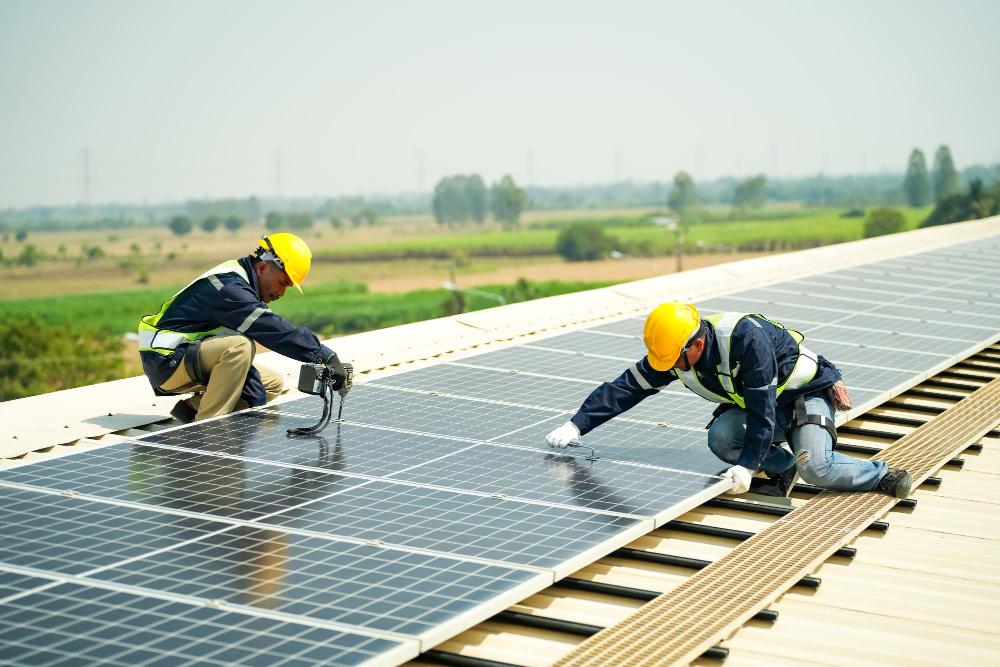
Solar panel installation is a significant investment that can yield substantial long-term savings and environmental benefits. When considering a solar setup for home, homeowners are often faced with the decision of whether to undertake the installation themselves or to hire professional services. DIY Solar Panel Installation DIY solar panel installation can be an appealing option for those who are handy and enjoy taking on home improvement projects. Here are some key points to consider: Pros: Cost Savings: One of the main advantages of DIY solar panel installation is the potential to save money. By eliminating labor costs, you can significantly reduce the overall expense of your solar setup for home. Control: DIY installation allows you to have full control over the process, from selecting the components to managing the installation timeline. Learning Experience: Installing your own solar panels can be a rewarding learning experience, providing you with valuable knowledge about solar energy systems. Cons: Challenges: Panel installation requires specific skills and knowledge. Without proper training, you may encounter technical difficulties that could affect the system’s performance. Safety Risks: Working with electrical components and climbing on roofs can be dangerous. DIY installers need to take precautions to avoid injuries. Warranty Issues: Some manufacturers may not honor warranties if the solar panel installation is done by a certified professional. Professional Solar Panel Installation Hiring professional services for solar panel installation offers several benefits that can outweigh the initial cost. Here are some advantages and disadvantages: Pros: Expertise: Professional installers have the necessary training and experience to ensure that the solar panels are installed correctly and efficiently. Safety: Trained professionals follow safety protocols, reducing the risk of accidents during installation. Warranty and Support: Professional installation typically includes warranties and post-installation support, providing peace of mind and protection for your investment. Permits and Inspections: Professionals handle the necessary permits and inspections, ensuring that your solar setup for home complies with local regulations. Cons: Cost: Professional installation can be more expensive due to labor costs, but this investment often pays off in terms of system performance and reliability. Less Control: When hiring professionals, you may have less control over the installation process and timeline. Solar Rooftop Portal and Finding the Right Professionals For homeowners considering professional installation, using resources like the solar rooftop portal can be helpful. The solar rooftop portal provides information on certified installers, government incentives, and other relevant details to support your decision-making process. Choosing the Right Solar Products for Home Whether you opt for DIY or professional installation, selecting the right solar products for home is crucial. Research the best residential solar panels, inverters, and other components to ensure optimal performance and durability. Look for products with good warranties and positive customer reviews. Conclusion Deciding between DIY and professional solar panel installation depends on various factors, including your budget, technical skills, and safety considerations. While DIY installation can offer cost savings and a rewarding experience, professional installation ensures expertise, safety, and long-term support. Utilizing resources like the solar rooftop portal and choosing high-quality solar products for home will help you achieve the best results for your home solar solutions. Whether you choose to go the DIY route or hire professionals, investing in residential solar panels by Redington Solar is a step towards a sustainable and cost-effective energy future.

right solar panels for home

How to Choose the Right Solar Panels for Home

Choosing the right solar panels for home use is crucial to maximize the benefits of solar energy. With numerous options available, it can be challenging to determine the best solar panels available in India. This guide will help you navigate the various factors to consider when selecting the ideal solar panel for home in India. Determine Your Energy Needs The first step in choosing the right solar panels for home use is to determine your energy needs. Assess your average energy consumption by reviewing your electricity bills. This information will help you decide on the size and capacity of the solar panel system required to meet your energy demands. Types of Solar Panels Monocrystalline Solar Panels: Known for their high efficiency and longevity, these panels are made from a single crystal structure. They are ideal for homes with small roof space. Polycrystalline Solar Panels: These panels are made from multiple silicon crystals and are more affordable than monocrystalline panels. However, they have a lower efficiency rate and require more space. Thin-Film Solar Panels: Being lightweight and flexible in design, these thin-film panels are suitable for various applications. They are less efficient than crystalline panels. Efficiency and Performance Higher-efficiency panels generate more electricity in a given space. While selecting the best solar panels for home in India, you should consider panels with high-efficiency ratings to maximize energy production. Durability and Warranty The durability of solar panels is an essential factor to consider, especially given the varying weather conditions in India. Look for panels with robust construction and high-quality materials. Additionally, choose panels with a long warranty period, typically 25 years, to ensure long-term reliability and performance. Cost and Budget While it is essential to invest in high-quality solar panels, it is also crucial to consider your budget. Compare the costs of different panels and weigh them against their efficiency, performance, and durability. Keep in mind that the initial investment in solar panels can be offset by long-term energy savings. Solar Panel Certifications and Standards Ensure that the solar panels you choose meet the necessary certifications and standards. Certifications such as IEC, BIS, and MNRE indicate that the panels have undergone rigorous testing and comply with industry standards. Solar Panel Distributors in India To find the best solar panels available in India, it is essential to work with reputable solar panel distributors in India. Research and compare distributors based on their product offerings, customer reviews, and after-sales services. A reliable distributor will provide you with high-quality panels and support throughout the installation process. Installation and Maintenance Proper installation is crucial for the optimal performance of your solar panel system. Work with experienced and certified installers to ensure a seamless installation process. Additionally, consider the maintenance requirements of the panels and choose those with low maintenance needs.   Conclusion Choosing the right solar panels for home use involves careful consideration of various factors, including your energy needs, panel efficiency, durability, cost, and the reputation of solar panel distributors in India. By taking these factors into account, you can select the best solar panels for your home in India and enjoy the long-term benefits of solar energy. Investing in high-quality solar panels and working with reputable distributors and installers will ensure a reliable and efficient solar energy system for your home. Redington Solar is one of the largest solar panel distributors in India. Click here to learn how to choose the best solar panel for home in India.

different types of solar panels

Understanding the Different Types of Solar Panels

Solar energy is an eco-friendly and cost-efficient alternative for consumers who are considering installing best solar panels on their property. But, at the same time, there are several types of solar panels available on the market now as well so it can be tough to understand what kind of solar panel is going to work best for you. This article from Redingron Solar explores the distinct types of solar panels available, their advantages, and disadvantages, and how to decide the best solar panel for home in India. Monocrystalline Solar Panels Monocrystalline solar panels are made up of a single crystal structure from start to finish. These are known for their high reliability. Advantages: High efficiency: Monocrystalline panels have the highest efficiency rates, usually in the 15-20% range, meaning they can convert more sunlight into electricity. Durable: They have a high life expectancy, often coming with a 25-year warranty. Space-efficient: They require less space compared to other panels due to their higher efficiency. Disadvantages: Cost: Monocrystalline panels are the most expensive type of solar panel available. Performance in high temperatures: Their efficiency can decrease in extremely hot climates. Polycrystalline Solar Panels Polycrystalline solar panels are constructed from numerous silicon crystals melted together. They are less powerful than monocrystalline panels yet more affordable. Advantages: Cost-effective: Polycrystalline panels are generally more affordable for the consumer as they cost less to manufacture. Low heat tolerance: These panels perform better in high temperatures compared to monocrystalline panels. Disadvantages: Less efficient: Polycrystalline panels tend to be less efficient, generating around 13-16% efficiency levels. Space requirements: They need more space to produce the same amount of electricity as monocrystalline panels. Thin-Film Solar Panels Thin-film solar panels are produced by applying a thin layer of photovoltaic material on a substrate such as metal or glass. They are lightweight and flexible, suitable for various applications. Advantages: Lightweight: Thin-film panels are extremely lightweight, making them easier to transport and install. Flexibility: These panels can be mounted on irregular or flexible surfaces. Cost: Thin-film panels tend to be less expensive to manufacture. Disadvantages: Less efficient: Thin-film panels tend to have lower efficiency rates, typically between 10-12%. Shorter lifespan: These panels have a shorter lifespan compared to monocrystalline and polycrystalline panels. Space requirements: They require more space to generate the same amount of electricity due to their lower efficiency. Bifacial Solar Panels Bifacial solar panels can capture sunlight from both sides, increasing their overall efficiency. They are typically made from monocrystalline or polycrystalline materials.   Advantages: Higher efficiency: Bifacial panels capture sunlight on both sides, producing more energy than standard solar modules. Durability: These panels are designed to withstand harsh weather and have a long lifespan. Aesthetics: Bifacial panels can be more visually appealing as they can be integrated into various architectural designs.   Disadvantages: Cost: Bifacial panels are generally more expensive than traditional solar panels. Installation: They require a more complex installation process with specialized mounting systems.   Choosing the Best Solar Panels For Your Home Now that you have a clearer picture of the different kinds of solar panels, you might be wondering which best solar panel in india for home. Here are a few things to consider:   Budget: Determine your budget and balance the upfront costs against the long-term savings. Space: For installations with limited space, high-efficiency panels like monocrystalline or bifacial types are excellent choices. Climate: Consider the climate in your area. Polycrystalline panels may perform better in regions with high temperatures. Aesthetics: Consider the appearance of the panels and how they will fit into your home’s design.   Investing In Residential Solar Systems And Solar Rooftop Insurance Residential solar systems are no small investment, so it’s important to protect your assets. Solar rooftop insurance can cover damages caused by weather events, theft, or other unforeseen circumstances, ensuring your solar panels are protected and allowing you to enjoy the benefits of solar energy without worry.   Conclusion Understanding the different types of solar panels and their advantages and disadvantages can help you make an informed decision about which solar panel is best in India for your home. Whether you choose monocrystalline, polycrystalline, thin-film, or bifacial panels, each type has its unique benefits. Additionally, investing in residential solar systems and solar rooftop insurance can provide peace of mind and ensure that you maximize the benefits of your solar energy system. By considering your budget, space, climate, and aesthetic preferences, you can choose the best solar panel in India for your home and enjoy the long-term savings and environmental benefits that solar energy has to offer.

benefits of switching to solar energy

The Environmental Benefits of Switching to Solar Energy

As the world continues to deal with climate change and environmental destruction, achieving sustainable means of creating power is more important than ever. A hopeful candidate to solve this issue is solar power, a renewable resource coming from the sun. In addition to the financial benefits, there are environmental benefits of switching to solar energy. Over the years, it has been proven that going solar and using solar products for home use in India can contribute to environmental conservation. Lowering Greenhouse Gas Emissions One of the most critical environmental concerns related to power plants is the considerable amount of excess fossil gas emissions. These gases – carbon dioxide and methane among them – create the greenhouse effect that is causing global warming. Homeowners can lower their carbon footprint by switching to residential solar panels. One of the environmental benefits of switching to Solar energy systems is that it produce electricity without emitting greenhouse gases, thus greatly helping in reducing pollution compared to burning coal, oil, and natural gas. Reducing Air Pollution The process of burning fossil fuels for energy releases numerous pollutants, including sulfur dioxide, nitrogen oxides, and particulate matter that can have detrimental effects on human health as well as on our precious environment. Such pollutants are the cause of respiratory problems, heart disease, and smog formation. Domestically-sited solar energy addresses these problems by expanding the availability of zero-emission fuel, which produces no air pollutants. In India, installing a solar system for home in India is one way to emphasize clean air and healthier living. Saving Water – Key Benefit of Switching to Solar Energy Traditional power plants, including those using coal or nuclear energy, need a huge volume of water for cooling and processing. This can stress local water resources and drastically alter aquatic environments. Unlike these, solar energy systems require very little water use. You can help save these scarce water resources and protect nearby water bodies by converting them to solar products for home use in India. Limits Habitat Destruction and Land Degradation Coal mining, oil drilling, and natural gas extraction can cause large-scale land degradation. These activities interfere with established ecosystems, displacing wildlife and causing land degradation. Residential solar panels are easily added to rooftops and other structures, which contributes to reduced land use and maintenance of natural habitats. When you choose solar energy, it means you are preserving biodiversity and maintaining natural landscapes. Adapting to Climate Change The impacts of climate change have become more obvious over the decades, including higher sea levels, stronger storm systems, and new niches in ecosystems. It is necessary to move towards renewable energy sources like solar power to curb these effects. Home solar solutions make this happen by reducing the pressure on non-renewable energy sources and lowering the carbon footprint. You can help fight climate change by investing in a solar system for home in India. Improving Energy Independence India imports fossil fuels to meet most of its energy demands, making it prone to fluctuations in global energy prices and supply shocks. Producing your electricity with solar products for home use in India reduces your dependence on the grid, which helps safeguard against an uncertain energy future. This transition is not only good for the environment but also enhances our nation’s energy security. Supporting Sustainable Development Solar energy aligns with sustainable development as it meets current needs without negatively impacting future generations. Residential solar panels offer a green power solution to cater to peak demands and lessen the demand on the grid during critical times, contributing to economic growth and energy independence. The adoption of solar energy generates green jobs and fosters innovation in the renewable energy sector, driving sustainable economic development. Solar Panel Price in India for Home The cost of solar panels has dramatically reduced over the past few years, making them achievable for a large number of homeowners with often no upfront investment required. This has led to an increase in solar power consumption, supported by substantial government incentives and subsidies. When you invest in solar products for home use in India, you save on energy bills while minimizing your contribution to environmental protection. This mix of financial savings and environmental benefits makes going solar an easy decision for most homeowners. Conclusion Solar energy benefits not only you, the homeowner, and your local community, but the planet as a whole if you transition to solar power. Home solar solutions are part of a future that will help reduce emissions, and air and water pollution, and promote the conservation of natural resources to combat climate change. With falling solar panel prices in India for home use, it is the best time to switch to solar energy. By doing so, you can be a part of the change and help towards a cleaner, greener world for generations to come. Redington solar is one of the largest distributors of cost efficient solar panels for Indian homes. Click here to know more about how to choose the best solar panels India.

Contact Us