Redington, Author at Redington Solar - Page 2 of 20

Author name: Redington

Everything You Need to Know About Solar Panel Recycling

Everything You Need to Know About Solar Panel Recycling

As the world moves towards renewable energy, solar panels have become an essential part of sustainable living. However, like all technologies, solar panels have a lifespan. What happens to these panels after their useful life ends? This is where solar panel recycling plays a crucial role. Recycling ensures that the materials used in solar panels are reused, reducing waste and conserving resources. In this blog, we’ll cover the benefits of solar panel recycling, explain the recycling solar panel process, and discuss its role in solar waste management. Why Is Solar Panel Recycling Important? Solar panels typically last 25–30 years, after which their efficiency declines. As solar adoption grows, so does the need for effective disposal methods for end-of-life panels. Without proper recycling, solar panels could contribute to electronic waste, negating the environmental benefits of solar energy. Recycling addresses this issue by recovering valuable materials and minimizing landfill waste. The Benefits of Solar Panel Recycling 1. Reduces Environmental Impact Recycling of solar panels is important because it minimizes the impact of solar energy systems on the environment. It helps to avoid the release of hazardous substances, including lead and cadmium, into the ground and water if panels are disposed of incorrectly. 2. Conserves Resources Solar panels are constructed from materials such as glass, aluminum, silicon, and some rare metals. Recycling enables these materials to be used again, thus saving the natural resources that would otherwise be used in mining. 3. Supports a Circular Economy By recycling the panels, we are able to bring the solar panels closer to the circular economy model. This system also focuses on the reuse and recycling of materials so that there is less waste and more efficient use of resources. 4. Fosters Economic Development The increasing demand for the recycling of solar waste has created recycling plants and employment opportunities in the green sector. Recycling also has the advantage of cutting expenses for producers who can reuse the materials instead of purchasing new ones. 5. Supports the Sustainable Development of Solar Energy As the solar industry grows, recycling guarantees that the shift to clean energy is environmentally friendly. In this way, the industry addresses the waste problem and gains the public’s trust in the use of solar energy. The Recycling Solar Panels Process Recycling solar panels is a complex but efficient process that focuses on recovering valuable materials while minimizing waste. Here’s a step-by-step overview: Step 1: Collection The first process is to gather end-of-life solar panels from residential, commercial, and utility-scale solar installations. Panels are taken to recycling centers that deal with electronic and solar waste. Step 2: Dismantling Solar panels are disassembled to remove the frame, glass, and other parts of the panel. The first part to be stripped off is the aluminum frame since it is one of the easiest things to recycle. Step 3: Glass Recycling The glass layer, which constitutes approximately 80% of the panel, is then extracted and recycled. Recycled glass can be reused in new solar panels or other products, such as construction materials. Step 4: Silicon Recovery Silicon cells are extracted and treated to recover pure silicon. This process involves chemical treatments and high temperatures to remove impurities, making the silicon suitable for reuse in new panels or electronic components. Step 5: Metal Recovery Metals such as copper, silver, and tin are recovered from the panel’s wiring and other components. These metals are valuable and can be repurposed in various industries. Step 6: Material Separation Any remaining materials, including plastic and other non-recyclable components, are separated for proper disposal or energy recovery. The efficiency of the recycling solar panel process depends on advancements in technology and the availability of recycling facilities. New methods are continually being developed to improve the recovery rate and reduce costs. Solar Waste Management As the number of installed solar panels increases, so does the challenge of managing solar waste. Effective solar waste management involves creating systems to handle the collection, transportation, and recycling of end-of-life panels. Challenges in Solar Waste Management Lack of Recycling Infrastructure Many regions lack the facilities needed to recycle solar panels, making it difficult to manage waste effectively. Cost of Recycling Recycling can be expensive compared to landfill disposal, which discourages manufacturers and consumers from adopting sustainable practices. Lack of Awareness Many people are unaware of the importance of recycling solar panels or how to do it, leading to improper disposal. Regulatory Gaps In some countries, regulations governing the disposal and recycling of solar panels are still underdeveloped, creating inconsistencies in waste management practices. Strategies for Effective Solar Waste Management Recycling Programs: Governments and organizations can set up programs to ensure that they collect and recycle solar panels for easier disposal by consumers Encouraging Research and Development: Research is a key factor in developing better and more efficient technologies for recycling, making recycling economically viable. Enforcing Producer Responsibility: Manufacturers can be made to accept responsibility for the disposal of their products at their end of useful life, thus promoting the development of panels that can be easily recycled. Creating Awareness: People can be educated on the importance of solar panel recycling and how they can get involved in recycling. Recycling Promotion: Governments can encourage recycling by providing tax exemptions or subsidies to companies and consumers who recycle their solar panels. Future of Solar Panel Recycling With the increasing use of solar energy, recycling becomes more significant. The recycling of solar panels is becoming easier and cheaper due to the development of technology. For instance, new techniques are being adopted to extract more silicon and rare metals from recycled materials, hence raising the value of the recycled material. Governments across the globe are also waking up to the reality that there is a need to put in place proper management of solar wastes. For example, the European Union has enacted stringent laws that compel the recycling of solar panels, a move that has been replicated by other parts of the world. Conclusion Solar panel recycling is essential for ensuring the sustainability of the solar


Solar Panel Mobile Charger

The Benefits of Using Solar Panel Mobile Charger for Your Devices

As technology becomes an essential part of our lives, keeping our devices charged is more important than ever. Whether you’re on a hike, camping in the wilderness, or simply away from power outlets, portable solar chargers provide a reliable and eco-friendly way to keep your gadgets powered. A solar panel mobile charger harnesses the power of the sun to charge your devices, offering convenience, sustainability, and independence from the grid. In this blog, we’ll explore the many benefits of using a solar panel mobile charger, how it supports solar charging for smartphones, and why it’s a must-have for anyone seeking off-grid charging solutions. What is a solar panel mobile charger? A solar panel mobile charger is a compact device equipped with solar panels that convert sunlight into electricity. This electricity is then used to charge mobile devices such as smartphones, tablets, cameras, and more. These chargers are lightweight, easy to carry, and come in various designs, including foldable panels and pocket-sized options, making them perfect for outdoor enthusiasts and travelers. Benefits of Using a Solar Panel Mobile Charger 1. Green Charging System The most obvious benefit of the solar panel mobile charger is that it is environmentally friendly. It uses the sun, a natural resource, to charge your gadgets. In contrast to the conventional chargers that rely on electricity produced from fossil fuels, solar chargers are environmentally friendly. When you opt for portable solar chargers, you are helping to make the world a better place by reducing the amount of pollution. 2. Ease of Outdoor Activities Solar chargers are very handy, especially when you are out in the field, hiking, camping, or even backpacking. Off-grid charging solutions mean that you do not have to worry about running out of battery when you are far from power outlets. All you need to do is put your charger under the sun, and you will have a constant power source for your gadgets. 3. Independence from Electricity Solar chargers enable you to keep connected in regions where there is no power supply. Whether you are in the middle of a jungle or at home with a blackout, a solar panel mobile charger makes sure that your devices are still running. This independence is especially important in emergencies. 4. Cost Savings Over Time Despite the fact that the cost of a solar charger may be relatively high in the beginning, it is actually cost-effective in the long run. When you use sunlight to charge your devices, you are not using electricity from the power company, thus saving on your electricity bills. Also, most portable solar chargers are very strong and long-lasting, which makes them very economical. 5. Supports Multiple Devices Almost all solar panel chargers have multiple ports that enable the charging of multiple devices at the same time. This feature is particularly helpful for families or a group of people who are traveling together. In terms of charging smartphones and other gadgets, everyone can be connected through solar power. 6. Lightweight and Portable Design Modern portable solar chargers are designed to be lightweight and easy to carry. Many models are foldable, allowing you to store them in your backpack without taking up much space. Their portability makes them ideal for people always on the go. 7. Reduced Dependence on Power Banks While power banks are convenient, they need to be recharged once they run out of energy. A solar panel mobile charger eliminates this problem by providing an unlimited power source, as long as the sun is shining. This makes it a superior alternative for those who frequently travel or spend time outdoors. Solar Charging for Smartphones Smartphones have become indispensable, serving as our primary tools for communication, navigation, and entertainment. Keeping them charged is crucial, especially when you’re off the grid. Here’s how solar charging for smartphones stands out: Fast Charging Options: Many solar panel chargers now come with fast-charging capabilities, ensuring that your phone charges quickly. Universal Compatibility: Solar chargers are compatible with most smartphones, whether you use an iPhone, Android, or another brand. USB Ports: Most solar chargers have USB ports that make it easy to connect your smartphone with a standard charging cable. Battery Storage: Some solar chargers come with built-in batteries, allowing you to store energy and charge your phone later, even when the sun isn’t out. With a solar panel mobile charger, your smartphone will always stay powered, no matter where you are. How to Choose the Best Portable Solar Charger Selecting the right solar charger depends on your needs. Here are some factors to consider: 1. Power Output Make sure that the charger has enough power output to charge your devices to their full potential. Search for models with 10 watts and above for smartphones and even higher for other gadgets. 2. Portability If you intend to take it hiking or traveling, then select a model that is light and small in size. The portable type of solar panels is foldable solar panels. 3. Durability Make sure that the charger is strong and resistant to different weather conditions if you are going to use it in the open air. Weatherproof models are suitable for conditions that are not very predictable. 4. Battery Storage Some of the solar chargers have an inbuilt battery where you can store energy for use in the future. This is a great feature for charging during the day or at night when the sun is not shining. 5. Compatibility Ensure that the charger is compatible with the devices you intend to charge. For the best flexibility, search for the universal USB ports. Conclusion A solar panel mobile charger is a versatile and eco-friendly solution for keeping your devices powered, whether you’re at home, traveling, or off the grid. With the rise of portable solar chargers, you can now enjoy the benefits of solar charging for smartphones and other devices anytime, anywhere. These chargers provide a convenient, sustainable, and cost-effective way to stay connected. If you’re looking for off-grid charging solutions, investing

1.1k Government Buildings to Go Solar Under PM Scheme

1.1k Government Buildings to Go Solar Under PM Scheme

In a major step towards sustainable energy, the government has revealed plans for over 1.1k Government Buildings to Go Solar power. This initiative, part of the Prime Minister’s solar program, aims to lessen reliance on traditional energy sources and encourage renewable energy use. It marks progress in India’s goal to lead in solar energy adoption. Empowering the Nation with Solar Energy  The choice to install solar panels on government buildings highlights the rising significance of renewable energy in the nation. With help from commercial solar energy firms, the project is set to significantly lower electricity costs and decrease the carbon footprint of these buildings. Collaborations like this are crucial for ensuring the installations are effective and long-lasting, benefiting both the government and the environment. Choosing the Best Solar Panels for Commercial Use  A key part of this project is picking the right solar panels for commercial applications. Government buildings, which have high energy needs, require strong and efficient systems. These solar panels are built to capture maximum energy, even in tough weather, ensuring a steady power supply. The success of this initiative could inspire other sectors to explore similar energy solutions. A Boost for Commercial Solar Companies  The rollout of this scheme is anticipated to greatly benefit commercial solar companies. These businesses are essential for designing, manufacturing, and installing solar panels nationwide. With government backing and incentives, the solar industry is expected to see increased demand, leading to job creation and advancements in technology. Making Solar Energy More Affordable  The high cost has often stopped people from using solar energy. However, there are now steps to make solar energy systems easier to access. For those interested in this government effort, knowing the price of solar power systems for homes is important. Although the installation cost may appear steep at first, the savings on electricity bills over time make it a smart choice. Additionally, government grants and tax incentives help lessen the financial impact on consumers.  Industrial Solar Panels for Large Energy Needs  Government buildings show how industrial solar panels can meet large energy demands. These panels are built for high energy output, making them perfect for factories, warehouses, and other businesses. Their reliability ensures that energy needs are consistently met, even during busy times.  Promoting Sustainability Beyond Government Facilities  The government’s move to adopt solar energy serves as a strong example for private companies. Many businesses are now seeking out commercial solar energy providers to consider renewable energy solutions. This shift is not only good for the environment but also beneficial for finances in the long term. Companies that use solar power show their dedication to sustainability while also lowering their operating costs. Challenges in Solar Energy Adoption  Despite the many advantages of solar energy, there are still obstacles to overcome. Installing solar panels on a large scale needs careful planning, skilled workers, and financial investment. Collaborating with commercial solar companies can help address these issues, as they offer expertise and effective solutions. Moreover, regular monitoring and maintenance are essential to keep these systems running efficiently and lasting longer.  A Promising Future for India  Installing solar panels on 1,100 government buildings marks progress toward a more sustainable future. This effort supports India’s goals under the Paris Agreement and its target of reaching 450 GW of renewable energy capacity by 2030. By embracing renewable energy, India is not only fighting climate change but also setting a positive example for other nations.  Encouraging Individuals to Switch to Solar  This project shows that renewable energy is accessible to everyone. Homeowners can also benefit from solar energy. Learning about the costs of solar power systems for homes can motivate individuals to reduce their carbon footprint. With more affordable solar options available, a larger number of people can join the renewable energy movement. Conclusion The shift of 1,100 government buildings to solar energy is a significant step that shows India’s dedication to renewable energy. By working with commercial solar companies and utilizing industrial solar panels, the government is promoting a cleaner and more sustainable future. This action will likely encourage other sectors and people to adopt solar energy, positioning India as a leader in renewable energy use.  

Why Solar Energy Has a Bright Future in India’s Growth

Why Solar Energy Has a Bright Future in India’s Growth

India, one of the world’s fastest-growing economies, is making significant strides in renewable energy. Among its renewable resources, solar energy stands out as a key player in the country’s sustainable development. With abundant sunlight, a proactive government, and rising energy demands, the Solar Energy Has a Bright Future in India’s Growth is enormous. This blog explores why solar energy is set to play a crucial role in shaping India’s future, focusing on the solar market in India, solar power adoption in India, and the benefits of solar energy in India. Solar Energy Potential in India India has some of the best geographical features that can support solar energy production in the world. The country gets between 4 and 7 kilowatt hours of solar radiation per square meter per day and has more than 300 sunny days annually. This means that India has a huge unexplored solar energy resource, which could help the country meet most of its energy demands. The government has identified this potential and has set a target of attaining 280 GW of solar power by 2030 in its renewable energy plan. India has abundant solar resources. Solar Energy Has a Bright Future, and if the right investments and policies are made, the country can shift from the use of fossil fuels to meet its increasing energy needs. Solar Power Adoption in India In the last ten years, solar power consumption in India has grown rapidly because of the reduction in costs and government policies. Residential, commercial, and industrial solar installations have increased significantly. Subsidies, tax incentives, and net metering policies have also been put in place to encourage people and companies to embrace solar power. The Jawaharlal Nehru National Solar Mission (JNNSM) and the PM-KUSUM scheme have played a significant role in the promotion of solar energy, particularly in rural areas. These efforts are to provide solar electricity to farmers and small businesses to minimize the use of conventional electricity. India’s Renewable Energy Growth India has been moving towards a cleaner energy future, as seen by its RE targets. The country has set a target of 500 GW of renewable power generation capacity by 2030, of which solar power will form a major part. This push is a sign of India’s renewable energy expansion and its efforts to meet its Paris Agreement targets. To achieve these goals, several utility-scale solar parks and floating solar projects are in the pipeline. For example, the Rewa Solar Power Project in Madhya Pradesh and the Pavagada Solar Park in Karnataka are among the largest in the world, showcasing India’s commitment to renewable energy innovation. The Solar Market in India The solar market in India has evolved into one of the largest and fastest-growing markets globally. With a mix of domestic and international players, the sector offers diverse opportunities in manufacturing, installation, and maintenance. India’s focus on reducing import dependency has led to initiatives promoting local manufacturing of solar panels and components under the Make in India program. This has encouraged the establishment of domestic solar manufacturing units, boosting job creation and economic growth. Furthermore, the declining cost of solar panels and batteries has made solar energy more affordable. As a result, the solar market in India is expected to grow exponentially, catering to urban and rural energy needs while contributing to the country’s energy security. Benefits of Solar Energy in India The benefits of solar energy in India extend beyond clean energy production. Here’s why solar energy is becoming a game-changer for the nation: Environmental Sustainability: Solar power is a clean and renewable energy source that helps reduce greenhouse gas emissions. By transitioning to solar, India can tackle air pollution and climate change challenges effectively. Energy Security: With solar energy, India can reduce its reliance on imported fossil fuels, enhancing energy security and reducing trade deficits. Cost Savings: Solar installations offer significant cost savings over time by lowering electricity bills. Subsidies and tax benefits further enhance affordability. Rural Electrification: Solar power has been instrumental in bringing electricity to remote and off-grid areas. Solar pumps and mini-grids are transforming rural livelihoods, improving access to water and energy. Job Creation: The solar industry has created numerous jobs in manufacturing, installation, and maintenance. This growth contributes to India’s economic development. Conclusion Solar energy is undeniably a cornerstone of India’s renewable energy journey. With its vast solar energy potential in India, proactive policies, and increasing awareness, the country is well on its way to becoming a global leader in solar power. The growth of the solar market in India, combined with the benefits of solar energy in India, is driving a sustainable future for millions of people. As India continues to invest in solar power adoption, it paves the way for cleaner energy, economic growth, and a brighter tomorrow.  

MNRE Launches Scheme for 100% Solarization of Gujarat

MNRE Launches Scheme for 100% Solarization of Gujarat

The Ministry of New and Renewable Energy (MNRE) has made a major move towards sustainable development by launching Scheme for 100% Solarization of Modhera, Gujarat. This groundbreaking project will make Modhera the first village in India to be fully powered by solar energy, highlighting how renewable energy can change lives and communities. A Forward-Thinking Project   The solarization of Modhera is part of a larger goal to meet India’s renewable energy targets. The MNRE seeks to lessen reliance on traditional energy sources by utilizing solar power. This initiative demonstrates how renewable energy can lead to sustainable progress while tackling climate change. Why Choose Modhera?  Modhera, known for its historic Sun Temple, is an excellent site for this project. Its location receives plenty of sunlight year-round, making it ideal for solar energy production. By using its natural advantages, Modhera is set to become a model for other villages looking to embrace green energy. Main Features of the Plan  The MNRE Scheme for 100% Solarization includes installing solar panels on rooftops, solar streetlights, and a complete solar energy grid. The aim is to fulfill all of the village’s energy needs with solar power, covering homes, schools, offices, and public facilities. The initiative also prioritizes making the generated energy affordable and dependable. Community Benefits  The solar project is set to provide many advantages for the people of Modhera. By moving to clean energy, the village will greatly lower its carbon emissions, leading to a healthier environment. Moreover, having reliable electricity will enhance the villagers’ quality of life, allowing better access to education, healthcare, and technology. Economic Growth  This initiative aims to create job opportunities for the local community. Building, operating, and maintaining solar facilities will generate employment, empowering residents. Additionally, lower energy costs will give families more disposable income, which will help the village’s economy grow. A Renewable Energy Example  Modhera’s shift to a fully solar-powered village will act as an example for renewable energy projects throughout India. It shows that with proper policies and investments, even small villages can adopt sustainable energy solutions. This project supports India’s goal of reaching net-zero emissions and advancing green energy options. Government Assistance and Funding  The Modhera solar project has strong government backing. The MNRE has provided significant funding to ensure the project is completed on time. Working together with state authorities, local organizations, and private partners has further enhanced the project’s implementation. Tackling Obstacles   Although the project is innovative, it faces several challenges. The upfront costs for solar technology and infrastructure are significant, requiring careful planning and resource management. Moreover, to keep the solar energy system running efficiently over time, ongoing maintenance and community involvement will be essential.   Inspiring Future Initiatives  The complete solarization of Modhera is not just an achievement; it serves as a beacon of inspiration. By demonstrating that renewable energy can be effectively adopted at the village level, this project paves the way for similar efforts across the nation. It emphasizes the need for government backing, community participation, and technological advancements to drive progress.   A Move Towards Energy Self-Sufficiency  India’s renewable energy sector is expanding quickly, and initiatives like the Modhera solarization project highlight the country’s dedication to energy self-sufficiency. By focusing on solar power, India is decreasing its dependence on imported fossil fuels, fostering self-reliance, and setting a standard for sustainable development worldwide.   Final Thoughts  The MNRE’s initiative for the complete solarization of Modhera, Gujarat, is a significant step that merges environmental care with economic growth. By shifting to solar energy, Modhera is paving the way for a cleaner, greener future. This project not only aids the local community but also acts as a model for other villages to emulate. With ongoing government support and community involvement, the vision of a solar-powered India is becoming achievable.

Best Angle for Solar Panels

What’s the Best Angle for Solar Panels ,and Does Direction Matter?

When installing solar panels, their placement can significantly impact how much energy they produce. Both the optimal solar panel installation angle and the direction they face play a crucial role in capturing sunlight effectively. Understanding these factors can help you achieve maximum efficiency and maximize your energy savings.This blog explores the importance of the direction for maximum solar efficiency, the Best Angle for Solar Panels, and how to ensure you’re getting the most out of your solar installation with the help of a solar panel orientation guide. Why Angle and Direction Matter for Solar Panels Solar panels are devices that are used to convert light energy from the sun into electrical energy. The amount of light they are able to absorb is determined by the orientation of the panels. A panel that is not placed properly may not capture enough sun and therefore produce less energy. For optimal performance, it is recommended that the position of the sun be taken into consideration all year round and the panels be repositioned accordingly. Optimal Solar Panel Installation Angle The optimal solar panel installation angle depends on your geographical location. Solar panels are most effective when they are installed in a position that is perpendicular to the sun’s rays. Because the position of the sun varies with the time of the day and year, you will have to use your latitude to find the right tilt. General Guidelines for Solar Panel Angles Latitude-Based Rule: The optimum tilt of solar panels is usually equal to the tilt of your location. For instance, if you reside in a place that is 30 degrees latitude, then your panels should be installed at 30 degrees. Seasonal Adjustments: Some homeowners change their panel angles depending on the season. A steeper angle is ideal during winter since the sun is low in the sky, while a flatter angle is ideal during summer since the sun is high in the sky. Direction for Maximum Solar Efficiency The direction for maximum solar efficiency is another important factor. Solar panels should be installed in a position that will allow them to be exposed to the most sunlight during the day. Ideal Direction for Solar Panels Northern Hemisphere: Panels should face south for optimal sunlight exposure. Southern Hemisphere: Panels should face north to achieve the same effect. Using a Solar Panel Orientation Guide A solar panel orientation guide will assist you in identifying the right position for your solar panels. These guides usually offer specific suggestions depending on your geographical location, weather, and energy levels. Considerations When Orienting Solar Panels Local Climate: If your area has frequent cloudy days, you might need to make slight adjustments to maximize energy capture during available sunlight hours. Roof Structure: The pitch and shape of your roof can affect the placement and orientation of solar panels. Shading: Avoid areas with shadows from trees, buildings, or other obstructions. Even partial shading can reduce efficiency. Best Tilt for Solar Panels The best tilt for solar panels is closely linked to their angle and direction. The tilt helps optimize the panels’ exposure to sunlight, especially in areas with varying seasonal sunlight patterns. Fixed vs. Adjustable Tilt Fixed Tilt: Panels are installed at a permanent angle, which is usually based on the latitude of the location. This is cost-effective and requires little maintenance. Adjustable Tilt: Some systems allow you to adjust the tilt manually or automatically, optimizing energy capture throughout the year. While more efficient, these systems can be more expensive to install. Maximizing Solar Energy Output To ensure you’re getting the most from your solar panels, it’s essential to focus on the right combination of angle and direction. Proper installation can increase the solar energy output significantly, making your investment worthwhile. Tips to Maximize Solar Energy Output Use a Solar Tracker: Solar tracking systems adjust the panels’ position throughout the day, ensuring they’re always at the best angle to capture sunlight. Consider Ground-Mounted Panels: If your roof’s angle or direction isn’t ideal, ground-mounted panels can offer more flexibility. Regular Maintenance: Clean your panels regularly and ensure they are free from debris or dirt that can block sunlight. Conclusion The angle and direction of solar panels are crucial for maximizing energy production. By following the guidelines for the optimal solar panel installation angle and ensuring the right direction for maximum solar efficiency, you can significantly boost your system’s performance. Whether you’re using a fixed-tilt system or an adjustable one, understanding the best tilt for solar panels and consulting a solar panel orientation guide can help you make the most of your solar investment. With the right setup, you can harness the power of the sun effectively, reduce energy costs, and contribute to a greener future.  

How to Reduce Electricity Bills for Textile Mills

How to Reduce Electricity Bills for Textile Mills

Electricity costs are a significant operational expense for textile mills, where machinery runs non-stop to ensure production meets demand. As energy prices rise, reduced electricity bills becomes a priority for businesses seeking to improve profitability. This article explores practical ways to reduce energy consumption and highlights the role of renewable energy options like solar power in achieving this goal. Invest in Energy-Efficient Machinery Another way through which Reduce Electricity Bills are replacing old machinery with efficient ones. Contemporary textile machinery is developed to operate with low power consumption while delivering high efficiency. While the cost of the initial purchase may be high, the savings on energy bills are realized in the shortest time possible. Also, maintenance checks guarantee that machines work optimally, thus minimizing energy consumption. Optimise Lighting Systems Textile mills require large spaces, and inadequate lighting results in high consumption of electricity. It is possible to save up to 75% of the costs of lighting by replacing traditional bulbs with LED lights. LEDs are not only energy efficient but also have a longer life span; hence, they do not require frequent replacement. Switching on lights in areas with low traffic is discouraged by fitting motion sensors and timers in the areas and reduce electricity bills. Leverage Solar Energy The use of solar energy is a good way to Reduce Electricity Bills , expenses for textile mills. Working with commercial solar energy firms, the business can install an industrial solar system that meets the energy requirements. These systems capture the sun’s energy to produce electricity that can help to reduce a large percentage of the mill’s energy usage. Most commercial solar solutions provide funding opportunities that enable textile mills to implement renewable energy without a huge initial capital investment. In the long run, the money saved on electricity bills can offset the cost of installation and be of financial benefit in the long run. Install Energy Monitoring Systems Knowledge of where and how electricity is consumed is vital in the effort to minimize its use. Energy management systems record usage in real time and help textile mills detect processes that consume a lot of energy and then take the necessary action. Information from these systems assists mills in planning energy-intensive processes during off-peak times, thus cutting on costs associated with peak demand tariffs. Improve Insulation In textile mills, heating and cooling systems are one of the most electricity-intensive systems in the mills. Lack of proper insulation results in energy wastage and puts these systems under pressure to work harder and use more energy. Insulating walls, roofs, and ducts ensures that the indoor temperature is well regulated, hence cutting down on the amount of energy used by the heating and cooling systems and, therefore, cutting down on electricity costs. Solar Power for Employees’ Residences Textile mills that offer accommodation to employees can go a notch higher in cutting down energy expenses by investing in solar panels for residential use. This not only reduces the electricity cost of the residences but also goes well with the sustainable practices, making the mill perceived as an environmentally friendly company. Solar energy systems are very flexible, can be used in homes, and can offer long-term benefits. Learn About Solar Energy for Home Use Besides industrial uses, mill owners can also opt for the use of solar power in their homes. As the cost of solar technology continues to reduce, the cost of the solar power system for homes has been made affordable. These systems not only help in cutting down the electricity bills but also act as a standby power source during the blackouts. Train the Employees on Energy Conservation This paper also agrees with the view that employee behavior is a key determinant of energy use. Efforts such as switching off machines and lights when not needed can go a long way in saving a lot of money. There is a need for textile mills to organize training sessions to create awareness of energy conservation and its impact on the company’s bottom line. Conduct Energy Audits Energy audits give an overall evaluation of the electricity consumption in textile mills. These audits, which may be carried out by professional service providers, point out areas of energy waste and suggest measures to minimize energy use. Periodic energy audits help mills check their progress in energy conservation and make necessary adjustments due to the changes in technology and management systems. Embrace Automation Automation technology can optimise processes, improve productivity, and reduce energy consumption. For instance, automated systems can control lighting, heating, and cooling based on the mill’s operational schedule. This precision reduces energy waste and contributes to lower electricity bills. Partner with Renewable Energy Experts To maximise the benefits of solar energy, textile mills should work with experienced commercial solar energy companies. These experts can design, install, and maintain an industrial solar system that meets the unique needs of the mill. Their expertise ensures the system is efficient, durable, and cost-effective. Conclusion Reducing electricity bills is vital for textile mills aiming to remain competitive in a challenging market. From upgrading to energy-efficient machinery to partnering with commercial solar solution providers, there are numerous strategies to cut costs and adopt sustainable practices. Solar energy in particular offers immense potential, whether through solar panels for residential homes or large-scale industrial applications. With the right investments and initiatives, textile mills can achieve significant energy savings while contributing to a greener future.  

How to Choose the Best Solar Panel Cleaner for Your System

How to Choose the Best Solar Panel Cleaner for Your System

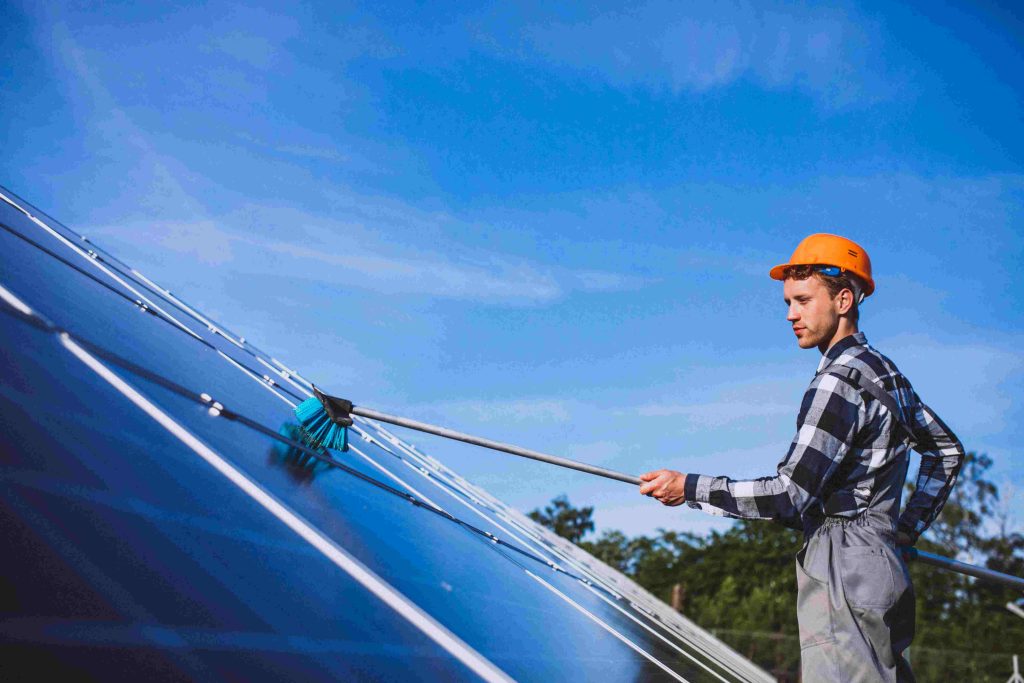
Solar panels are a great way to save on energy costs and reduce your carbon footprint. However, like any other equipment, they require regular maintenance to perform at their best. Dust, bird droppings, and grime can accumulate on the surface, reducing efficiency. This is why selecting the best solar panel cleaner tools and solutions is so important. In this blog, we’ll guide you on how to choose the best cleaners for your system, highlight some maintenance tips for solar panels, and discuss eco-friendly solar panel cleaners that won’t harm the environment. Why It’s Important to Clean Solar Panels Solar panels generate electricity by capturing sunlight. If dirt or debris covers them, it blocks sunlight and lowers their efficiency. Regular cleaning helps your panels work better and last longer. If you ignore maintenance, you may face reduced performance and expensive repairs later. Tools for Cleaning Solar Panels  Using the right tools is important to clean your solar panels safely. Here are some common tools you might use:  Soft-Bristled Brushes  These brushes are perfect for getting rid of loose dirt and dust without scratching the panels. Choose brushes with gentle, non-abrasive bristles.  Water-fed Pole Systems These systems allow you to clean without climbing on your roof. They have extendable poles with a brush and a water supply for rinsing.  Microfiber Cloths Microfiber cloths are excellent for wiping down the panels after washing. They are gentle and help eliminate streaks for a clean look.  Squeegees A squeegee helps remove extra water after cleaning, preventing water spots and ensuring your panels are spotless.  Specialized Solar Panel Cleaning Kits These kits usually come with tools like brushes, sponges, and hoses made specifically for solar panels, making them a handy choice for homeowners. Choosing the Best Cleaning Solutions for Solar Panels While tools are important, the cleaning solution you use is equally critical. Some solutions can damage the panel’s surface or leave residues that affect performance. Here are some recommendations for choosing the best cleaning solutions for solar panels: Gentle Soap and Water A blend of gentle soap and water is usually sufficient for basic cleaning. Steer clear of strong chemicals that could damage the surface or harm the environment. Green Solar Panel Cleaners Green solar panel cleaners are designed to clean without harming the environment. They are biodegradable and do not contain harmful chemicals. Purified Water Purified water is an excellent cleaning option as it leaves no mineral deposits or water spots on the panels. It is also eco-friendly and safe to use. Specialized Cleaning Products There are products made specifically for cleaning solar panels. Choose those labeled as safe for solar equipment and ensure they are environmentally friendly. How to Clean Solar Panels Efficiently Cleaning solar panels doesn’t have to be a daunting task. Follow these steps to ensure you clean them efficiently: Step 1: Power Down the System  Always turn off your solar panel system first to prevent any accidents.  Step 2: Wash with Water  Use a hose to wash away loose dirt and debris. This helps make cleaning easier and protects the surface.  Step 3: Use a Cleaning Solution  Apply a gentle cleaning solution or an eco-friendly solar panel cleaner with a soft brush or sponge. Be gentle to avoid harming the panels.  Step 4: Rinse Again  Thoroughly rinse the panels with clean water to get rid of any soap or leftover residue.  Step 5: Dry the Panels  Use a squeegee or microfiber cloth to dry the panels. This prevents water spots and gives a clear finish.  Step 6: Check the Panels  After cleaning, check the panels for any damage or stubborn stains. Fix any problems quickly to keep them working well. Maintenance Tips for Solar Panels Cleaning is just one aspect of maintenance. Here are some additional maintenance tips for solar panels to keep your system in top shape: Regular Checks  Look at your solar panels every few months for dirt, cracks, or any damage. Finding issues early can help you avoid expensive repairs.  Trim Nearby Trees  Branches that hang over can drop leaves and debris on your panels. Cutting back trees around your system will reduce the need for cleaning.  Clean After Rain or Storms  Rain can leave dirt and minerals on your panels. Cleaning them after bad weather helps keep them working well.  Hire Professionals for Cleaning  If your panels are hard to reach or have tough stains, think about hiring experts who know how to clean solar panels. They have special tools and methods for a complete clean.  Track Performance Use your solar monitoring app to watch how your system is performing. A sudden drop in energy output might mean your panels are dirty or damaged.  Why Use Eco-Friendly Solar Panel Cleaners? Switching to eco-friendly solar panel cleaners is not just good for the environment—it’s also better for your panels. Here’s why: Biodegradable Ingredients: These cleaners break down naturally, reducing environmental impact. Non-Toxic Formulas: They are safe for plants, animals, and humans. No Residue: Eco-friendly solutions often leave no harmful residue, ensuring optimal solar absorption. Longevity: They protect the panels’ surface, helping them last longer. By choosing an eco-friendly option, you contribute to sustainability while maintaining your solar panels. Conclusion Choosing the best solar panel cleaner for your system involves selecting the right tools, using appropriate solutions, and following efficient cleaning methods. With the right solar panel cleaning tools and eco-friendly solar panel cleaners, you can keep your panels in top condition while protecting the environment. Additionally, incorporating these maintenance tips for solar panels will help you get the most out of your investment. By keeping your solar panels clean and well-maintained, you ensure they perform at their best, saving you money and contributing to a greener planet. So, start implementing these tips today and enjoy the benefits of clean, efficient solar energy!  

Solar Panel LED Light: An Eco-Friendly Lighting Solution

Solar Panel LED Light: An Eco-Friendly Lighting Solution

As the world shifts toward sustainable living, eco-friendly innovations are transforming the way we illuminate our homes. Solar-panel LED light have emerged as a popular solution, combining efficiency with environmental benefits. These lights harness the power of the sun, reducing energy costs and offering versatile applications both indoors and outdoors. This blog explores the benefits of LED solar lights, their uses, and how they can contribute to an energy-efficient and environmentally conscious lifestyle. Whether you’re looking for outdoor solar lighting solutions or ways to enhance your home’s energy savings, solar panel LED lights are a smart choice. What Are Solar Panel LED Lights? Solar-powered LED lights are lighting systems that run on energy collected from the sun. These systems include: A solar panel to capture sunlight and convert it into electricity. An LED bulb is known for its energy efficiency and long life. A rechargeable battery to store energy for nighttime use. The combination of solar technology and LED lighting makes these systems an ideal choice for homeowners seeking eco-friendly lighting options. Benefits of Solar Panel LED Lights Switching to solar panel LED lights comes with numerous advantages: Energy Savings Another advantage that can be attributed to LED solar lights is that they are energy-saving. This way, instead of using electricity from the grid, you can save a lot of money on your utility bills by using sunlight. This makes solar lighting for energy savings a perfect fit for homeowners who are looking to cut down on their expenses. Environmentally Friendly LED lights that are powered by solar energy are a green source of light. They have low emissions of greenhouse gases and do not use hazardous substances such as mercury, which is used in normal bulbs. Cost-Effective Although the cost of purchasing solar-powered LED lights may be slightly higher than that of other types of lights, the amount of money that is saved on electricity bills and the cost of maintaining the lights make them a worthy investment. Most systems are low maintenance and can last for years. Versatile Applications Solar LED lights can be used in different areas, such as lighting up pathways and gardens and even indoors. This makes them suitable for use in homes as well as in business premises and other commercial buildings. Easy Installation Solar lights do not need intricate wiring or electrical connections to be made. This makes them easy to install, especially in areas where it would be very difficult or very costly to install normal wiring systems. Outdoor Solar Lighting Solutions Outdoor solar lighting solutions are becoming increasingly popular for enhancing the beauty and security of outdoor spaces. Applications for Outdoor Lighting Pathway Lights: Solar-powered LED lights are perfect for illuminating walkways, driveways, and garden paths. Garden Lights: Highlight landscaping features or create ambiance with decorative garden lights. Security Lights: Motion-sensor solar lights provide safety and security by illuminating dark areas when movement is detected. Floodlights: Bright and durable, solar-powered floodlights are ideal for large outdoor spaces like backyards or parking areas. Benefits of Outdoor Solar Lighting No Electricity Needed: These systems work independently of the grid, making them ideal for remote or off-grid areas. Weather-Resistant: Most outdoor solar lights are designed to withstand harsh weather conditions, ensuring year-round performance. Low Maintenance: Once installed, outdoor solar lights require little upkeep beyond occasional cleaning of the solar panel. Indoor Applications of Solar Panel LED Light While commonly associated with outdoor use, solar-powered LED lights are also suitable for indoor applications. Uses for Indoor Solar Lighting Emergency Lighting: Solar lights can provide backup illumination during power outages. Ambient Lighting: Create a warm and energy-efficient ambiance in living rooms, bedrooms, or kitchens. Workspaces: Use solar-powered desk or task lights in home offices for sustainable lighting. Why Choose Indoor Solar Lighting? Eco-Friendly Lighting Options: Reduce your carbon footprint with clean, energy-powered lighting. Cost Savings: Lower electricity bills by replacing traditional indoor lighting with solar alternatives. Sustainability: Solar lights rely on renewable energy, contributing to a more sustainable home. Choosing the Right Solar Panel LED Light When selecting solar-powered LED lights, consider the following factors to ensure you get the best product for your needs: 1. Brightness The brightness of LED solar lights is measured in lumens. For pathways or decorative purposes, 100–300 lumens may suffice, while security or floodlights may require 700 lumens or more. 2. Battery Capacity A larger battery capacity allows lights to function longer during the night. Look for lights with a battery life of 8–12 hours. 3. Weather Resistance For outdoor use, choose lights with a high IP rating (ingress protection) to ensure they are waterproof and durable. 4. Solar Panel Quality The efficiency of the solar panel directly affects the performance of the light. Opt for panels made from monocrystalline or polycrystalline materials for better energy conversion. 5. Additional Features Some solar-powered LED lights come with extra features like motion sensors, adjustable brightness, or remote control. Select a product that meets your specific requirements. Why Solar Panel LED Lights Are the Future With the increasing need for sustainable living solutions, solar-powered LED lights are becoming the most popular option among homeowners. They are an important component of modern lighting systems due to their energy-saving properties, environmental friendliness, and adaptability. Besides their functionality, solar-powered LED lights help in the reduction of the use of fossil fuels and hence the emission of carbon, which is in line with the fight against climate change. Conclusion If you are in need of outdoor solar lighting or if you want to cut down on energy consumption indoors, solar panel LED lights are a green and efficient way to light up your home. They can tap into renewable energy sources, and the efficiency of LED technology makes them suitable for green-minded homeowners. From saving energy to flexibility, solar-powered LED lights are a worthy investment in your home and the environment. With these eco-friendly lighting options, you can have a brighter and greener future in your lifestyle.  

Rooftop Solar Power

Government Buildings in Gurugram to Install Rooftop Solar Power

Gurugram, in Haryana, has taken The government has announced plans to install rooftop solar power systems on its buildings.The government has announced plans to install rooftop solar power systems on its buildings. This initiative aligns with India’s broad goal of promoting renewable energy and reducing reliance on fossil fuels. Why Rooftop Solar Power Systems Matter   By installing rooftop solar power systems, government buildings in Gurugram aim to greatly reduce their carbon emissions. Unlike traditional energy sources, solar power does not release harmful greenhouse gases, making it ideal for a city focused on green initiatives.  These systems will also lower energy expenses over time. After installation, the solar panels will produce electricity, decreasing reliance on the grid. Commercial solar companies are essential in providing tailored solutions to meet specific energy needs.  How Government Buildings Can Set an Example   When government buildings use solar energy, they inspire private companies and homeowners to do the same. The sight of solar panels on public buildings sends a clear message about the value of renewable energy. This effort is likely to motivate businesses and residents to look into the best solar panels for both commercial and residential use.  Moreover, such initiatives raise awareness about solar technology, promoting its use in other areas. Commercial spaces and industries may start to recognize the benefits of investing in solar panel systems, especially as energy needs increase.  Selecting the Right Rooftop Solar Power Options   The success of a solar power project relies heavily on the quality of the panels and the system’s efficiency. With many choices available, finding the best solar panels for commercial use can be difficult. Top commercial solar companies provide customized solutions, ensuring that each project meets energy needs and maximizes savings.  For industrial and government buildings, a dependable solar panel system is essential. These systems are built to manage higher energy demands, ensuring a steady power supply even during peak times. Benefits Beyond Financial Gains   Installing rooftop solar power systems provides advantages beyond just saving money. Firstly, it helps lower urban heat islands by absorbing sunlight that would otherwise raise temperatures. This is especially crucial in hot cities like Gurugram.  Secondly, solar energy systems last a long time and need very little upkeep, making them a smart investment for government properties. Both large systems for businesses and smaller ones for homes can perform well for 25 years or more.  Residential Solar Panel Systems: A Positive Influence   When government buildings adopt solar energy, it can inspire homeowners to consider residential solar panel systems. Many are looking into these options to cut electricity costs and lessen their environmental footprint. With government institutions leading the way, this trend is likely to grow.  Solar energy is now viewed as an affordable and practical option for both homes and businesses. The presence of subsidies and accessible financing has further encouraged its use.  Collaborating with Professionals   The importance of commercial solar companies in successfully carrying out these projects is significant. From the first consultation to installation and ongoing maintenance, these professionals ensure everything runs smoothly. They also help clients choose the right technology, whether for large-scale use or smaller home systems. The Road Ahead Gurugram’s choice to put solar panels on government building rooftops is a positive move. It shows a dedication to sustainability and a readiness to tackle environmental issues with new ideas. As this project moves forward, it may encourage more use of solar technology in different areas. From big solar setups for industries to smaller systems for homes, the future is clearly leaning towards solar energy.  

Contact Us