Redington, Author at Redington Solar - Page 3 of 20

Author name: Redington

How Much Electricity Does a Solar Panel Produce?

How Much Electricity Does a Solar Panel Produce?

Solar panels are a popular choice for generating clean, renewable energy, but one of the most common questions for potential users is, “How much electricity does a solar panel produce?” Understanding the factors influencing solar panel efficiency, energy production from solar panels, and solar panel power output is crucial for making informed decisions about adopting solar technology. This blog explores the key aspects of calculating solar energy production and provides an overview of the average electricity from solar panels to help you assess whether solar energy is right for your needs. What Determines Solar Panel Efficiency? The solar panel’s efficiency is defined as the capability of the solar panel to convert sunlight into electricity. The greater the efficiency, the more electricity the panel is capable of producing. Efficiency levels depend on the type of solar panel; the current solar panels have an efficiency of between 15% and 22%. Factors Affecting Solar Panel Efficiency Type of Solar Panel: Monocrystalline panels are slightly more efficient than polycrystalline or thin-film panels. Sunlight Availability: Solar panels generate more electricity than areas with many cloudy days. Angle and Positioning: When panels are installed at the right angle and direction, they are able to capture sunlight. Temperature: The efficiency of the panels is also known to decrease slightly with an increase in temperature. Maintenance: If panels are not cleaned, then dirt, dust, and debris can reduce the efficiency of the system. How to Calculate Energy Production from Solar Panels To determine how much electricity a solar panel produce, you need to consider several factors: Solar Panel Power Output Every solar panel has a certain power rating in watts (W). Most of the residential solar panels are between 250W and 400W. The power output is the amount of electricity that the panel is capable of generating under standard test conditions. Sunlight Hours Solar panels generate electricity only when they are exposed to sunlight. The amount of sunlight that a particular area gets in a day determines the amount of energy that can be generated from solar panels. For instance, places such as Rajasthan in India or Arizona in the United States get more direct sunlight than places with cloudy weather. Estimating the Output of Solar Energy To calculate daily electricity production, use this simple formula: Energy Produced (kWh) = Panel Power Output (kW) × Sunlight Hours (hours) For instance, if a 300W solar panel (0.3 kW) gets 5 hours of direct sunlight daily, it will produce:  0.3kW × 5 hours = 1.5 kWh/day Multiply this figure by 30 to estimate monthly production or by 365 for annual production. Average Electricity from Solar Panels The average electricity from solar panels varies depending on the size of the system and the location. A single solar panel could generate about 1.2 to 2.5 kilowatt-hours per day in ideal circumstances. In a normal residential system with 10 panels, the total output could range from 12 to 25 kWh per day, which can power many homes. Regional Variations Solar panel efficiency differs by region. It is clear that in regions with more sunlight, the panels produce more electricity than in regions with fewer hours of direct sunlight. One should seek advice from solar energy professionals or use the internet to estimate the production depending on the location. Benefits of Monitoring Solar Panel Power Output Regularly monitoring your solar panel power output helps you: Ensure optimal performance: Identify problems such as shading or dirty panels as early as possible. Maximize Energy Savings: It is also important to use the products during periods of peak production. Track Environmental Impact: Find out how many units of carbon dioxide have been neutralized through the use of solar energy. Many of the current solar systems include devices that show the current output, consumption, and the amount of money saved. How Solar Panels Meet Household Energy Needs The energy generated by solar panels is usually enough to power most household appliances, lighting, and heating or cooling systems. However, the actual savings are a function of the size of the solar system and the energy consumption of the household. For instance, if your home consumes 20 kWh per day and your solar power system produces 15 kWh, then you will take the balance of 5 kWh from the grid. This gap can be closed by either installing a larger system or by using energy-efficient appliances. Enhancing Solar Energy Production If you want to maximize solar energy production, consider the following tips: Optimize Panel Placement: Install panels facing the sun’s path for maximum exposure. Use High-Efficiency Panels: Invest in panels with higher efficiency ratings for greater energy output. Regular Maintenance: Clean panels regularly and check for obstructions like overhanging branches. Add a Battery Storage System: Store excess energy for use during nighttime or cloudy days. Conclusion The amount of electricity a solar panel produces depends on factors like efficiency, sunlight availability, and proper maintenance. By understanding how solar panel power output works and learning to calculate energy production, you can determine the best solar solution for your home or business. Whether you’re looking to reduce your energy bills or contribute to a sustainable future, solar panels offer a practical and eco-friendly solution. With advances in solar technology and supportive policies, there’s never been a better time to harness the power of the sun.  
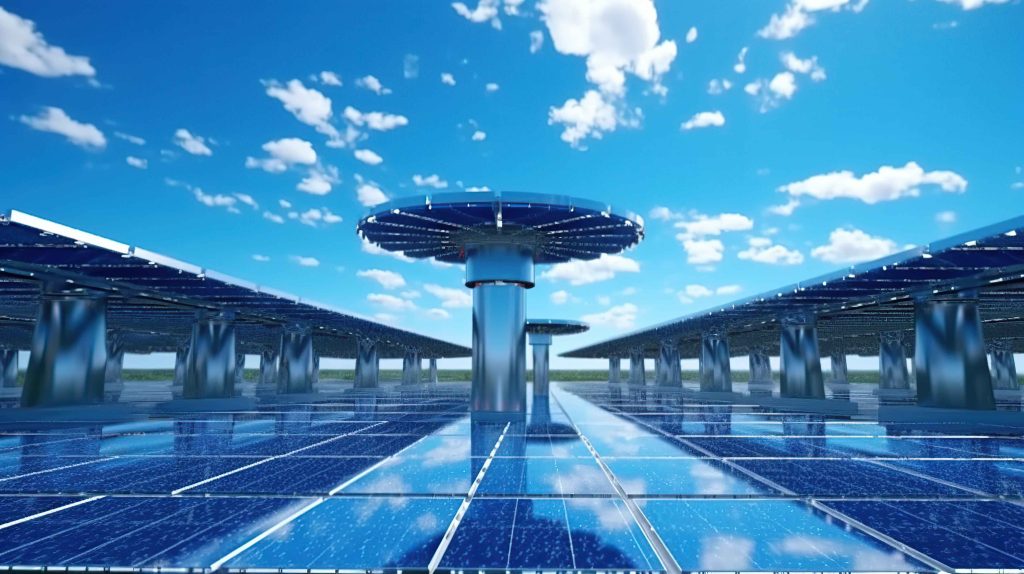
Understanding Hydrogen Solar Panel Prices: Are They Worthy ?

Understanding Hydrogen Solar Panel Prices: Are They Worthy ?

The availability of renewable energy technologies has made it possible to come up with new ways of minimizing the use of fossil energy. Of these developments, hydrogen energy systems have been identified as one of the viable solutions. One of the newest inventions in this area is Hydrogen Solar Panel, which integrate solar power and hydrogen fuel cells. But with their high price tags, many wonder: Are they worth the investment? What Are Hydrogen Solar Panels? Hydrogen Solar Panel are sophisticated systems that combine solar power with hydrogen fuel cell technology. These panels work like conventional PV panels to absorb sunlight but also perform electrolysis to generate hydrogen gas. This hydrogen can then be stored and used as an energy source when sunlight is not available, making it a clean and reliable energy solution. This innovative approach provides a dual benefit: direct solar energy and stored hydrogen energy for later use. It is a part of the hydrogen energy systems that are gradually entering the market and becoming important players in the transition to clean energy. The Cost of Hydrogen Solar Panels The cost of Hydrogen Solar Panel is significantly higher than that of traditional solar panels. This is due to the advanced materials and technology involved, including the integration of electrolyzers and hydrogen storage systems. Hydrogen solar panels: Prices vary depending on the manufacturer and system size but generally range between $1,000 and $2,000 per panel. A complete system, including storage and installation, can cost hundreds of thousands of dollars. Traditional solar panels: In comparison, traditional solar panels cost between $200 and $500 per panel, with system installations typically costing between $10,000 and $20,000. Long-Term Savings While the upfront cost is high, the long-term savings from reduced energy bills and potential government incentives may offset the initial expense. Additionally, hydrogen energy systems often have a longer lifespan than traditional solar setups, making them a worthwhile investment for some. Benefits of Hydrogen-Powered Solar Panels Despite their higher cost, Hydrogen Solar Panel offer several advantages that make them appealing to homeowners and businesses alike. 1. Energy Storage for Reliability Unlike conventional solar panels that use battery storage, hydrogen solar panels generate hydrogen gas as a storage form of energy. This does away with the need for costly and damaging batteries to be used in the car. Hydrogen stored can be used to power homes and devices during the day when there is little or no sunlight or at night. 2. Eco-Friendly Energy Source Hydrogen is one of the cleanest energy sources available on the market today. It gives out water when it is burnt as fuel. This makes hydrogen energy systems a perfect fit for lowering carbon footprints. 3. Versatility Hydrogen has other uses apart from electricity generation, including use in hydrogen vehicles or as an emergency power source for important facilities. 4. Longevity Hydrogen solar panels and fuel cells have a longer life span than solar batteries, which makes them more valuable in the long run. 5. Scalability Hydrogen energy systems can be scaled to meet the needs of households, businesses, or even entire communities. This flexibility makes them suitable for diverse applications. Hydrogen Fuel Cell Technology: The Game-Changer At the heart of hydrogen solar panels is hydrogen fuel cell technology. These fuel cells convert stored hydrogen gas into electricity through a chemical reaction. How It Works Electrolysis: Solar energy powers the electrolysis process, splitting water into hydrogen and oxygen. Storage: The hydrogen gas is stored in tanks for later use. Energy Conversion: When electricity is needed, the hydrogen is fed into a fuel cell, which generates power through an electrochemical reaction. This technology provides an efficient and environmentally friendly way to store and use energy, addressing some of the limitations of traditional solar setups. Comparison of Hydrogen and Traditional Solar Panels Understanding the differences between hydrogen solar panels and traditional solar panels is essential when deciding which option is right for you. Feature Hydrogen Solar Panels Traditional Solar Panels Energy Storage Produces and stores hydrogen for long-term use Requires batteries for storage Environmental Impact Zero emissions; water is the only byproduct Low emissions but battery disposal can be harmful Initial Cost High Moderate to low Lifespan Longer operational life Dependent on battery life Energy Independence Provides off-grid and backup power Limited by battery storage capacity Maintenance Minimal maintenance required Batteries may need replacement While traditional solar panels are more affordable and widely available, hydrogen solar panels offer superior energy storage and long-term reliability. Are hydrogen solar panels worth the investment? Determining whether hydrogen solar panels are worth the investment depends on your specific needs, budget, and environmental goals. Ideal for: Off-Grid Living: Hydrogen solar panels provide a reliable energy source for remote areas with limited access to the grid. Eco-Conscious Consumers: If reducing your carbon footprint is a priority, hydrogen energy systems are a clean and sustainable choice. Long-Term Planners: Those willing to invest in a future-proof energy solution will benefit from the durability and scalability of hydrogen systems. Considerations: Budget: The high upfront cost may be a barrier for some. Evaluate your financial situation and potential savings before committing. Availability: Hydrogen solar panels are still relatively new and may not be as widely available as traditional options. Incentives: Check for government subsidies or incentives that can offset installation costs. Conclusion Hydrogen solar panels represent a groundbreaking step forward in renewable energy. While the cost of hydrogen solar panels is currently higher than traditional solar systems, their unique benefits, such as long-term energy storage, eco-friendliness, and scalability, make them a compelling option for the future. By integrating hydrogen fuel cell technology, these systems address key limitations of traditional solar panels, offering a sustainable and reliable energy solution. Whether they are worth the investment depends on individual circumstances, but their potential to transform the energy landscape is undeniable. As the world embraces cleaner energy options, hydrogen energy systems are likely to play a significant role in achieving a sustainable and carbon-neutral future. If you’re looking for an innovative, long-term

Solar Energy Supply Chain

Understanding the Solar Energy Supply Chain: From Manufacturing to Installation

India is fast emerging as one of the biggest solar energy markets in the world. The government’s goals for renewable energy and the necessity to decrease the use of fossil fuels have contributed to the development of solar energy in industries and homes. To know how solar energy gets to your rooftop, it is necessary to consider the whole process of solar manufacturing and installation. This journey is called the solar energy supply chain and is crucial for making solar systems affordable, efficient, and available for the Indian market. In this blog, we will discuss the solar energy supply chain and briefly discuss solar manufacturing, logistics in solar energy, sourcing solar components, and installation. The purpose is to give an easy-to-understand and concise explanation of how the solar energy industry works in India. 1. Solar Manufacturing: The Backbone of the Supply Chain The first step in the solar energy supply chain begins with solar manufacturing. This is where the essential components of a solar system—primarily solar panels, inverters, and batteries—are produced. India is heavily investing in its solar manufacturing capabilities to reduce reliance on imports and to meet domestic demand. The Manufacturing Process At the core of a solar system are the solar panels, which convert sunlight into electricity. These panels are made up of photovoltaic (PV) cells, typically made from silicon. Here’s a simplified process of how they are manufactured: Raw Material Sourcing:  The journey starts with sourcing silicon, the primary material used in most solar panels. In India, a significant portion of this material is still imported, though domestic production is growing. Cell Production:  The silicon is purified, melted, and formed into wafers, which are then assembled into photovoltaic cells. These cells are the building blocks of solar panels. Panel Assembly:  The cells are arranged in a grid-like pattern and placed between glass and a protective backing. These layers are fused together in a process called lamination, forming a complete solar panel. Testing and Quality Control:  The finished panels go through rigorous testing to ensure they meet efficiency and durability standards. Manufacturing isn’t just limited to panels. Solar inverters, which convert the DC electricity generated by the panels into usable AC electricity, and batteries, which store excess energy, are also crucial parts of the supply chain. Like panels, these components are being increasingly manufactured within India, thanks to government incentives. 2. Logistics: Moving Components from Factories to Installers Once the components are manufactured, they need to be delivered to various points of installation. This is where logistics in solar energy becomes crucial. The logistics process involves the transportation of solar panels, inverters, batteries, and other equipment from factories to distributors and then to installation sites. Key Challenges in Solar Logistics in India India’s diverse geography presents several challenges for logistics: Transportation Networks:  Solar equipment is bulky and requires transportation from manufacturing centers in industrial states such as Gujarat and Tamil Nadu to villages and rooftops of cities across India. Transportation systems are critical in guaranteeing that goods are delivered on time. Handling and Storage:  Solar panels and inverters are some of the most delicate and costly parts of the solar system. Transportation also poses a risk of damaging the products, which in turn will cost the suppliers and consumers more money. This means that specialized packaging and handling are required to reduce the losses as much as possible.  Sustainability in Supply Chain Logistics:  One of the major issues of focus today is the sustainability of the solar supply chain. This covers the effects of moving the solar components from the amount of carbon emissions from the trucks and ships to the packaging materials. As a result, many companies are now seeking environmentally friendly logistics solutions such as electric trucks or efficient shipping routes. 3. Sourcing Solar Components: India’s Growing Independence One of the most important steps in the solar supply chain is sourcing solar components. In the past, India relied heavily on imported components, particularly from countries like China, which is the world’s largest producer of solar panels. However, the Indian government is pushing for greater domestic production through initiatives like the Production-Linked Incentive (PLI) Scheme for solar manufacturing. Domestic Sourcing and its Benefits As domestic production of solar panels and inverters increases, it brings several benefits: Reduced Costs:  By producing components locally, India can reduce import costs and tariffs, making solar systems more affordable for consumers. Job Creation:  Expanding the domestic solar manufacturing sector creates jobs in factories, engineering, and research, contributing to India’s economic growth. Energy Security:  By reducing dependence on imports, India can ensure greater energy security and reduce its vulnerability to global supply chain disruptions. 4. Installation: Bringing Solar to Rooftops and Fields The final step in the solar energy supply chain is the installation process. Whether it’s a rooftop system for a home or a large solar farm, installation is where the product finally reaches the end user. Installation involves not just setting up the solar panels but also integrating them with inverters, wiring, and other electrical components. Installation Best Practices There are several best practices that ensure a successful installation: Site Assessment:  Before installation, the site is assessed for solar potential. This includes measuring sunlight exposure, roof space, and determining the correct system size based on the customer’s energy needs. Panel Placement:  Panels must be positioned to maximize sunlight exposure, usually facing south in India. The tilt of the panels is also important, as it affects how much sunlight they capture throughout the day. Wiring and Connections:  Connecting the panels to the inverter and the electrical grid (or battery storage) is a critical step. Proper wiring ensures the system is safe and efficient. Testing and Maintenance:  After installation, the system is tested to ensure it works properly. Regular maintenance, such as cleaning panels and checking connections, ensures the system continues to perform optimally over its lifespan. Conclusion: The Full Picture of the Solar Energy Supply Chain The solar energy supply chain in India is complex, involving multiple stages from manufacturing to

Solar Energy in Electric Vehicle

The Role of Solar Energy in Electric Vehicle Charging Stations

With the increasing popularity of electric vehicles in India, the demand for a safe and sustainable charging system is also increasing. Among all the proposed solutions, the most effective one is the combination of solar energy  in electric vehicle charging. In this way, India can decrease its dependence on fossil fuels and make the charging of EVs more sustainable by using the energy of the sun. In this blog, we will discuss how the role of solar energy in electric vehicles, the advantages of solar-powered EV chargers, and how India is building its charging network to support the expansion of electric vehicles using renewable energy for transportation.  The Growing Popularity of Electric Vehicles in India role of solar energy in Electric vehicles are gradually becoming popular due to the government’s efforts to promote cleaner and greener vehicles. Subsidies under the FAME scheme, tax exemptions, and the increasing awareness of the need to reduce air pollution are some of the factors that are making people shift to EVs. Therefore, the need for a detailed and easily available EV charging system is increasing. However, the conventional EV charging stations which are mostly connected to the utility grid, and the electricity produced from sources such as coal have their drawbacks. The generation of electricity for charging EVs through fossil fuels is counterproductive to the objective of lowering carbon emissions. This is where solar energy in electric charging comes into play, as it is a cleaner and more sustainable source of energy. Solar-Powered EV Chargers: A Game-Changer for India Solar-powered EV charging stations use solar panels to generate electricity, which can then be stored in batteries or fed directly into EVs. the role of solar energy in electric charging is very useful. These chargers offer several key benefits: Environmentally Friendly:  Since solar energy is a clean and renewable source, using it to power EV charging stations helps reduce the carbon footprint associated with charging electric vehicles. This aligns with India’s goals of reducing greenhouse gas emissions and promoting sustainable energy solutions. Cost-effective in the Long Run:  While the initial investment in solar-powered EV chargers may be higher than traditional ones, they provide significant long-term savings. By harnessing free solar energy, EV charging stations can reduce electricity costs over time, making them more economical for both operators and consumers. Reduced Strain on the Grid:  As the number of electric vehicles grows, the demand for electricity from the grid will increase. Solar-powered EV chargers can help reduce this strain by providing an alternative source of energy. This is especially beneficial in areas where the grid may be underdeveloped or where there are frequent power outages. Energy Independence:  Solar energy offers a degree of energy independence, reducing reliance on the traditional power grid. In remote or rural areas, where access to reliable grid power may be limited, solar-powered charging stations provide a sustainable solution. Scalability:  Solar charging infrastructure can be scaled according to demand. Small-scale solar-powered charging stations can be installed at homes or workplaces, while larger installations can cater to public spaces, highways, and commercial hubs. Integration of Solar and EV Technology The integration of solar and EV technology is relatively straightforward. Solar panels installed at charging stations collect energy from the sun, which is then converted into electricity to charge EVs. There are two primary ways this integration can work: Grid-Tied Solar EV Chargers:  These chargers are connected to both the solar panels and the electricity grid. During sunny days, the solar panels provide energy directly to the charging station. If the solar power generated exceeds the demand, the excess energy can be fed back into the grid, allowing the charging station to contribute to the local electricity supply. On cloudy days or at night, when solar energy is unavailable, the grid supplies the necessary electricity to the charging station. Off-Grid Solar EV Chargers:  Off-grid solar chargers are useful where there is no access to the electricity grid or where access is limited. These systems use batteries to store solar energy during the day and can be used to charge EVs at any time. This setup is suitable for rural areas or areas that experience frequent power blackouts.  Both systems offer flexibility and efficiency, making them suitable for different regions across India. Developing Charging Infrastructure in India As the number of electric vehicles increases on Indian roads, the government has been keen on developing a charging infrastructure. Among these, the most important is the issue of incorporating renewable energy, especially solar energy, into this infrastructure. The National Solar Mission is another effort that seeks to encourage the adoption of solar energy for different uses like EV charging. Some private companies are also beginning to see the possibilities of solar-powered EV chargers and are now entering this market. Delhi, Bengaluru, and Pune are some of the cities that are already in the process of implementing the installation of solar charging stations in parking lots, shopping malls, and highways. Further, there are a few Indian startups that are in the process of designing and implementing cost-effective and sustainable solar charging solutions across the country. Benefits of Solar Charging Stations The adoption of solar-powered EV charging stations brings numerous benefits, both for individual EV owners and the broader society. Some of the key benefits include: Reduced Carbon Footprint:  Using solar energy for EV charging drastically reduces the overall carbon emissions associated with electric vehicles, making them a truly eco-friendly transportation option. Lower Operating Costs:  Solar charging stations are cost-effective over time, as they rely on free solar energy. This can help reduce the overall cost of EV ownership, making electric vehicles more accessible to the average consumer. Energy Resilience:  Solar-powered chargers can operate independently of the grid, providing a reliable source of energy even during power outages or in areas with unreliable electricity supply. Promoting Renewable Energy:  By integrating solar energy into the EV charging infrastructure, India can further its commitment to renewable energy sources, helping to achieve the nation’s ambitious targets for reducing greenhouse gas emissions.

Upcoming Solar Events and Conferences to Attend in 2024

Upcoming Solar Events and Conferences to Attend in 2024

As solar energy remains a vital component of India’s transition to renewable energy, it is essential for industry professionals to remain updated and engaged. Participating in solar industry networking events, conferences, and workshops is one of the most effective methods to achieve this. Such events offer valuable opportunities to gain insights into the latest technologies, interact with experts, and examine the future landscape of renewable energy. With 2024 poised to be a significant year for solar energy, there are numerous upcoming events and conferences to attend that Indian solar professionals should consider attending. Whether you are an entrepreneur, a policymaker, or an individual interested in renewable energy discussions, these gatherings can provide essential knowledge and connections to enhance your success in the solar industry. 1. Intersolar India 2024 Intersolar India is one of the most prominent solar trade shows in the country, attracting professionals from all over the world. Scheduled for December 2024 in Gandhinagar, Gujarat, this event offers a platform for discussions on renewable energy solutions and the future of solar power in India. this is first solar event and conference to attend . With a focus on photovoltaic (PV) technologies, solar storage solutions, and other innovative solar products, Intersolar India is perfect for businesses and professionals looking to expand their network and gain firsthand knowledge of the latest industry developments. Exhibitors from all over the world will showcase new solar technologies, while industry leaders will deliver presentations and hold discussions on key trends affecting the global solar market. Why Attend: Networking opportunities:  Connect with international solar industry leaders, manufacturers, and policymakers. Exhibition:  Explore the latest innovations in solar technology. Educational workshops in solar:  Learn about cutting-edge research and market trends that impact the industry. 2. Renewable Energy India Expo (REI) 2024 The Renewable Energy India Expo (REI) is another must-attend event for solar professionals. Scheduled for September 2024 in Greater Noida, this expo covers all aspects of the renewable energy sector, including wind, biomass, and solar power. For Indian solar enthusiasts, REI provides a valuable opportunity to explore trends in solar energy and how they can be applied to the local market. The REI Expo also offers seminars, technical sessions, and workshops for solar professionals, which cover a wide range of topics such as solar policy updates, financing options for solar projects, and innovative solar technologies. Why Attend: Solar industry networking events:  Meet professionals from both the renewable energy and finance sectors to explore partnerships and investment opportunities. Learning:  Attend seminars and workshops to stay updated on solar policies, financing, and technology. Exhibition:  Discover innovative solar solutions and services that can enhance your business. 3. Solar Power India Conference 2024 The Solar Power India Conference is a major event that focuses on solar power development and integration in India. Held annually, this conference brings together stakeholders from across the solar value chain, including project developers, investors, manufacturers, and government representatives. In 2024, the conference will likely take place in New Delhi and is expected to address critical topics such as scaling solar installations, financing solar projects, and integrating solar power into the grid. Attending the Solar Power India Conference is an excellent opportunity for Indian professionals to learn about the challenges and opportunities in the country’s rapidly growing solar sector. Why Attend: Networking with solar experts:  Meet key players from India’s solar industry, including developers, engineers, and policymakers. Discussions on solar policies:  Gain insights into upcoming government regulations and policy frameworks that will affect the industry. Technical workshops:  Learn about the latest advancements in solar technology and how to optimize solar project performance. 4. World Future Energy Summit (WFES) 2024 While not based in India, the World Future Energy Summit (WFES), held in Abu Dhabi in January 2025, is a crucial event for Indian solar professionals to consider. WFES attracts global leaders in renewable energy, providing insights into new technologies, investment opportunities, and strategies for sustainable growth in the energy sector. For Indian businesses interested in expanding internationally or staying ahead of global solar trends, WFES offers an unmatched platform to connect with global energy professionals. The summit also focuses on innovations in energy storage, grid integration, and financing mechanisms for large-scale renewable projects. Why Attend: Global networking:  Meet international energy leaders and innovators. Technology showcase:  See the latest breakthroughs in solar, wind, and storage technologies. Renewable energy conferences:  Attend seminars and panel discussions on global trends that affect the Indian market. 5. India Solar Week 2024 One of the major local events for solar professionals in India is the India Solar Week. Expected to be held in Mumbai in mid-2024, this event is dedicated to discussing solar energy policies, business models, and emerging technologies. India Solar Week is perfect for companies and individuals looking to understand market dynamics and identify growth opportunities within the country’s solar landscape. It focuses on overcoming challenges such as grid integration, storage solutions, and solar financing, making it highly relevant to the Indian market. Why Attend: Workshops on solar project development:  Gain insights on how to build and finance solar projects in India. Policy discussions:  Learn about recent solar policies and incentives that will drive growth in 2024. Solar industry trends:  Stay updated on the latest trends and technologies specific to the Indian market. 6. Solar Leadership Summit 2024 For those looking to connect with solar leaders and decision-makers, the Solar Leadership Summit is an excellent event to attend. Scheduled for 2024 in Bangalore, this summit brings together key figures from the solar industry to discuss leadership challenges, project financing, and policy implementation. This event is an excellent platform for entrepreneurs, policymakers, and developers to share their experiences, exchange ideas, and foster collaborations that can drive the industry forward. Attendees can also participate in solar energy educational workshops that focus on best practices in project execution and grid integration. Why Attend: Leadership discussions:  Meet top executives and policymakers who are shaping the future of India’s solar industry. Workshops for solar professionals:  Learn about the best practices for developing and managing solar

Regular Maintenance for Solar Panels

The Importance of Regular Maintenance for Solar Panels: Tips and Best Practices

Solar energy has become one of the most popular and efficient ways to generate clean electricity, especially in a country like India, where sunlight is abundant throughout the year. Installing solar panels is a smart and sustainable decision, but that’s just the first step. To ensure that these panels perform efficiently and provide maximum energy output, regular maintenance is essential.In this blog, we’ll explore the importance of regular maintenance for solar panels and offer some practical tips and best practices for solar panel upkeep to help you get the most out of your investment. Why Regular Maintenance is Crucial for Solar Panels Solar panels are expected to have a lifespan of 20 to 25 years or even more which makes it a long-term investment. But they are subjected to different environmental challenges including dust, dirt, bird droppings, and weather conditions. These factors can cause their inefficiency over time and thus a decrease in energy production. In India, especially in the cities and rural areas where dust and pollution are common, the need to clean the air conditioner is even more important. If not maintained, solar panels can degrade in efficiency by as much as 10-30%. This directly affects the quantity of electricity produced, meaning that you rely on other forms of energy, and your savings are affected. 1. Ensuring Solar Efficiency Another important reason for keeping solar panels is to achieve solar efficiency. Panels that are free from dust and other debris and are properly maintained will capture sunlight and convert it to electricity with little loss. On the other hand, if the panels are dirty or damaged, they will not be able to capture sunlight and therefore will not be able to produce as much energy. In areas such as Rajasthan or Gujarat where dust storms are frequent, dust may settle on the solar panels and this has a negative impact on the efficiency of the panels. Cleaning them often also ensures that they work to the best of their capacity and are not hampered in any way.  2. Solar Panel Cleaning Tips Cleaning your solar panels is one of the easiest and most effective ways to maintain their performance. Here are a few solar panel cleaning tips to help you keep your panels in top condition: Clean your panels at least twice a year.  Depending on where you live, dust and pollution can accumulate faster on solar panels. In places with high dust levels, like Delhi or parts of northern India, you may need to clean your panels more frequently, even monthly. Use a soft cloth or sponge.  Avoid using abrasive materials or harsh chemicals when cleaning your panels, as they can scratch the surface or damage the glass. A soft cloth or sponge with plain water is usually enough to remove dust and dirt. Clean early in the morning or late in the evening.  It’s best to clean solar panels when they’re cool, either early in the morning or late in the evening, to prevent water spots from forming on hot panels. Cleaning panels in direct sunlight can cause water to evaporate too quickly, leaving streaks or spots. Be mindful of safety:  If your solar panels are installed on a roof, take necessary safety precautions when cleaning them. Consider hiring professionals if you’re uncomfortable with heights or if the panels are difficult to access. 3. Monitoring Solar Performance Cleaning is a good practice but it is equally important to check your solar panels frequently to detect any problem. Many solar systems have features that allow the tracking of energy production and the performance of the solar panels. You should also monitor the energy output of your system to determine whether it is working efficiently or not. If you find that your energy output has decreased drastically, then it is high time you cleaned or serviced your panels. It is always better to address these issues before they escalate into something bigger. It also helps in tracking problems that may be associated with the inverter or wiring that may affect the efficiency of the system. 4. Troubleshooting Common Issues Even with regular cleaning and monitoring, it’s possible for solar panels to encounter issues that affect their performance. Here are some common problems you might face and how to troubleshoot them: Shading:  If trees, buildings, or other objects cast shadows on your solar panels, it can reduce their efficiency. Ensure that your panels are installed in an area where they receive maximum sunlight throughout the day. Trimming trees or repositioning objects that cause shading can resolve this issue. Bird droppings or nests:  In some areas of India, birds may nest near or on top of solar panels, leading to blockages and efficiency loss. Regular inspection can help you identify and remove bird droppings, and installing bird deterrents like spikes or nets can prevent this from becoming a recurring problem. Loose or damaged wiring:  If your solar panels aren’t producing energy or if the energy output drops significantly, check the wiring for any signs of damage or looseness. In some cases, high winds or animals can damage the cables connecting your panels to the inverter. Call a professional technician to inspect and fix wiring issues. Inverter problems:  The inverter is a key component of your solar system, converting the direct current (DC) produced by your panels into alternating current (AC) used in your home. If the inverter isn’t working correctly, your system won’t generate power. Inverter issues are typically identified through monitoring systems or error messages on the inverter display. If you notice any issues, contact your installer for assistance. 5. Best Practices for Solar Panel Maintenance To keep your solar panels running efficiently and prevent any major issues, follow these best practices for solar panel maintenance: Inspect your panels regularly:  Even if your system is performing well, it’s a good idea to visually inspect the panels at least once every few months. Look for dirt buildup, debris, cracks, or other signs of damage. Schedule professional maintenance:  While basic

the future of solar panel

The Future of Solar Panel Recycling: Trends and Innovations

As solar energy becomes an increasingly popular choice for powering homes, businesses, and entire cities, another issue is rising along with it: What happens when solar panels have served their useful life? As the use of solar technology increases across the globe, the topic  of solar panel recycling becomes more important. In this blog, we will discuss the future of solar panel recycling, new trends, new ideas, and the impact of sustainable management of urban solar waste on the environment. The Growing Need for Solar Panel Recycling Solar panels are expected to last for 20 to 30 years, which is great concerning efficiency and cost-saving in the long run. However, as the first solar installations degrade, the need for efficient recycling processes for the future of solar panels will be paramount. According to The International Renewable Energy Agency (IRENA), by 2050, approximately 78 million metric tons of solar panels will become end-of-life across the world. This raises an important question: how do we effectively and sustainably deal with this increasing waste? In the absence of suitable recycling processes, the environmental effects of discarded solar panels may be huge. The good news is that with the help of progressive technologies and environmentally friendly recycling solutions, the industry is preparing to address this problem. The Lifecycle of Solar Products To analyze the recycling of solar panels, it is important to establish the life cycle of solar products first. Each solar panel comprises silicon, colorless tempered glass, aluminum alloy, and a nominal amount of copper. If these materials undergo the right processes that are central to recycling, then such materials are highly valuable. The lifecycle of a solar panel can be broken down into four main stages: Manufacturing:  Renewable energy is manufactured from basic materials in solar panel production, such as silicon and metal. Utility:  Solar power plants enable the conversion of sunlight into electricity on rooftops, operand fields, or solar power farms. Use:  Panels generate green energy for 20 to 30 years, thus reducing the dependence on conventional sources of energy. End of Life:  Solar panels have a lifespan of a few decades; hence, their effectiveness declines, and they are disposed of or recycled. As the lifespan of these solar panels comes to an end, the main problem is then determining what to do with decommissioned solar panels properly. Well, this is where recycling comes into play and why green building has received much attention in the construction industry today.   Current Recycling Processes for Solar Panels Currently, the solar industry has come up with several recycling processes for solar panels. The main techniques include disassembling the panels and reclaiming silicon as well as metals that can be reused in other panels or different goods. Some key recycling processes include: Mechanical Recycling:  The scrap involves manual dismantling of the panels in order to isolate glass, aluminum, and silicon. The materials are then demised and prepared for reuse. However, mechanical recycling is not perfect and does not always fully reclaim the material in question. Thermal Recycling:  The thermal process involves the application of heat for the purposes of melting panel components in order to reclaim silver as well as copper. This method is quite effective, but often it requires a high power consumption. Chemical Recycling:  Another more enhanced method is chemical recycling, where chemicals that dissolve the bonding materials within the panels are used and what remains is silicon and other metals that can be reprocessed. It is expected that this process of recycling solar panels will be the new norm because recovery rates will be high while the purity of the material is enhanced. Urban Solar Waste Management: A Growing Concern With the increase in the number of solar installations in urban areas, the problem of urban solar waste arises. They also revealed that cities require important structures and guidelines on how to deal with old panels that need to be disposed of or recycled. This is even harder to do in areas of high population density, but there are less space and ecological considerations to worry about. San Francisco and Amsterdam are already implementing urban solar recycling by promoting the return of the panels to specific centers. These programs are creating the foundation for better urban solar waste management, where solar products at the end of their useful lives are treated concerning the environment. Innovations in Solar Panel Recycling The future of solar panel recycling is innovation. Here are some of the cutting-edge technologies and trends shaping the industry: Robotic Disassembly:  Since recycling is tending towards being mechanized, there could be a way that robots could disassemble solar panels without dropping and scrapping components, hence higher yields of recyclable substances. Advanced Chemical Processes:  Scientists are developing new chemicals that are less wasteful and generate a larger yield of silicon, silver, and other materials. Circular Economy Initiatives:  The concept of circular economy, where products are repurposed, repaired, and remanufactured, is slowly becoming popular in the solar industry. Some manufacturers are now starting to incorporate recycling into the design of the panels so that they can be easily dismantled and more of the material can be reclaimed when the panels are no longer useful. Public-Private Partnerships:  Solar panel recycling: Governments and private companies are now collaborating to stabilize post-solar panel recycling. For instance, the European Union has planned to recycle high quantities of solar products in line with the environmental goals set across the globe. Sustainable Recycling Initiatives for the Future The governments and industries of the world are slowly waking up to the fact that there is a need for sustainable recycling of solar panels. Some countries have adopted policies that make solar manufacturers bear the cost of their products from their production to their disposal.  In Europe, the directive known as Waste Electrical and Electronic Equipment (WEEE) therefore implies that solar panels have to be recycled in an acceptable manner. Similar trends are observed in the United States and Asia. However, some firms are establishing closed-loop systems such that the

Solar-Powered Water

The Benefits of Solar-Powered Water Heating Systems

Solar energy is slowly gaining popularity in India for home and commercial uses, and among the best ways to tap into the energy source is through solar water heating systems. As the costs of electric energies and fossil resources are growing, people are searching for more effective and eligible energies that should be friendly to the environment too. Solar – powered water heaters provide practical and efficient solutions to energy expenses and a better ecological climate. Here in this blog, we will begin to look at the benefits of solar water heating systems, how the systems work, the costs involved in installing them, and the long-term benefits that users stand to gain. Functions of Solar Water Heating Systems To see the benefits of these systems, let us briefly understand how they work. Solar water heaters are systems that utilize solar collectors to heat water by either being installed on a roof or in an area that has direct access to light. The system collects sunlight and converts it into heat to warm water that is stored in a water storage tank ready to be used for domestic or other purposes. It does not require a traditional electric or gas geyser, making it possible to enjoy warm water through renewable energy. Benefits of Solar-Powered Water Heating Systems Significant Cost Savings One of the main benefits of solar-powered water heating systems is the potential for substantial cost savings. In India, where most households and businesses use electric or gas water heaters, utility bills can add up quickly. Solar water heaters use sunlight, which is free, to generate hot water. This means that after the initial installation cost, the system will save you money in the long run by reducing your energy bills. Many users have reported a reduction in electricity bills by up to 50-70% after switching to solar water heaters, depending on the size of the system and water usage. The savings increase over time as energy prices continue to rise. High Efficiency of Solar Water Heaters Solar water heating systems are designed to be highly efficient, particularly in sunny climates like India’s. On average, they can convert 60-80% of sunlight into heat, which is much more efficient than using electricity to generate hot water. India’s tropical climate provides an abundant and reliable source of sunlight, making solar water heaters an excellent choice for most regions in the country. This efficiency of solar water heaters allows households and businesses to rely on solar energy year-round, even during the monsoon season when sunlight is still sufficient to heat water. Low Maintenance Costs Solar water heaters require very little maintenance compared to conventional water heaters. Once installed, the system runs almost entirely on its own, with only occasional checks and cleaning required to ensure optimal performance. Unlike electric or gas water heaters that may need regular servicing or parts replacement, solar systems are built to last with minimal upkeep. This leads to even more savings over the life of the system, reducing the overall cost of ownership. It’s a hassle-free way to heat your water without worrying about frequent repairs or breakdowns. Environmental Impact of Solar Heating One of the biggest reasons to switch to solar-powered water heating systems is the environmental impact of solar heating. By using solar energy to heat water, you’re significantly reducing your carbon footprint. Conventional water heaters rely on electricity generated from fossil fuels, which release harmful greenhouse gases into the atmosphere. In contrast, solar water heaters use clean, renewable energy from the sun. By adopting this technology, you’re helping to reduce air pollution and combat climate change. A single solar water heater can reduce carbon dioxide emissions by up to 2 tons annually, making it an excellent choice for anyone looking to contribute to a healthier environment. Long-Term Benefits of Solar Water Heating The long-term benefits of solar water heating systems are considerable. These systems have a long lifespan, typically lasting 15-20 years or more with proper maintenance. Given that energy costs are expected to rise in the future, the savings you’ll enjoy over the system’s life make it a smart long-term investment. Additionally, solar water heaters increase the value of your property. Buyers are increasingly looking for energy-efficient homes, and having a solar water heater installed can make your property more attractive in the real estate market. Government Incentives and Subsidies In India, the government actively promotes the adoption of renewable energy solutions, including solar water heating systems. Through various initiatives and subsidies, both at the national and state levels, the government offers financial incentives to help reduce the initial cost of installing solar water heaters. The Ministry of New and Renewable Energy (MNRE), for instance, provides subsidies and financial assistance to encourage the use of solar water heating systems in both residential and commercial sectors. These government programs make solar water heating an affordable option for more people and businesses, further driving the adoption of clean energy. Ease of Installation The installation of solar thermal systems is relatively straightforward. Most homes and commercial buildings in India have ample rooftop space, making it easy to install solar collectors without major modifications. Depending on the size of the system and your hot water needs, installation typically takes just a few days, and you can start reaping the benefits almost immediately. Experienced installers can guide you through the process, ensuring that the system is positioned for maximum sunlight exposure and optimal efficiency. Conclusion Switching to a solar-powered water heating system is a smart investment that offers numerous benefits for households and businesses alike. Not only do these systems provide significant cost savings with solar heating, but they also deliver long-term financial and environmental benefits. With government incentives, easy installation, and low maintenance requirements, solar-powered water heating systems are a practical, eco-friendly option for anyone looking to save money while reducing their carbon footprint.

Solar Technologies to Watch

Solar Technologies to Watch in 2024: Trends and Predictions

As India continues its strong push toward renewable energy, solar power stands at the forefront of this transformation. In recent years, India has made great strides in adopting solar energy, aiming to reduce dependence on fossil fuels and combat climate change. With the government setting ambitious targets for clean energy, 2024 is expected to be a critical year for solar energy advancements. Innovations and trends are emerging that promise to further boost the efficiency and affordability of solar power in India. In this blog, we’ll explore the top solar technologies to watch in 2024 and discuss the key trends shaping the future of solar energy. Emerging Solar Technologies to Watch in 2024 The solar energy sector is undergoing rapid technological advancements, with new solutions emerging every year. In 2024, several cutting-edge technologies are expected to make a big impact, both globally and in India. These include: 1. Bifacial Solar Panels Bifacial solar panels are receiving much attention because they can harvest light on both faces of the solar panel. Unlike the normal solar panels that capture light from the front side only, the bifacial panels capture light that is reflected from the ground as well. This technology could greatly improve the generation of energy in countries such as India where sunlight is available throughout the year, particularly in commercial and utility-scale projects. Since the bifacial solar panels enable light to pass through the panels and be absorbed from different directions, the energy yield can be boosted by 10-30%. This higher efficiency can help to decrease the amount of land needed for solar farms, which is a big advantage for Indian cities where space is a big issue. 2. Perovskite Solar Cells Another revolutionary technology is perovskite solar cells which are expected to transform the solar energy industry. These cells are flexible and lightweight and are among the most efficient in the conversion of sunlight to electricity. They can also be manufactured at a cheaper price than silicon-based solar cells, hence they are cheaper. The use of perovskite cells can be highly advantageous for the solar market in India. As the government promotes the local production of solar technologies, perovskite cells can boost the deployment of solar systems in rural and urban areas to meet India’s RE goals. While researchers are still trying to enhance the stability and durability of the technology, 2024 may be the year of the breakthrough. 3. Solar Energy Storage Solutions The main disadvantage of solar energy is its unpredictability – energy production decreases when the sun is not out. To overcome this, there is a need to improve energy storage systems. In 2024, solar battery technology will have advanced to a level that will enable the storage of excess energy for use during the night or during a cloudy day. In India, where power outages are still common in many regions, better solar storage solutions will be essential to ensuring a reliable and stable energy supply. Technologies like lithium-ion and flow batteries are being refined to store larger amounts of energy over longer periods, helping India move closer to its goal of providing continuous, clean electricity to all citizens. These are some solar technologies to watch . Future Trends in Solar Energy for 2024 The adoption of solar energy is expected to accelerate even further in 2024, driven by government policies, cost reductions, and technological innovations. Here are some key trends to watch out for: 1. Integration of Solar with Smart Grids Smart grids, which use digital technology to optimize the distribution and consumption of electricity, are playing an increasingly important role in the energy landscape. In 2024, we expect to see greater integration of solar power with smart grids, especially in India’s rapidly growing cities. This integration will enable better management of solar energy, improving grid reliability and efficiency. By using real-time data, smart grids can balance supply and demand more effectively, reducing wastage and ensuring that excess solar energy is distributed where it is needed most. This will not only enhance the efficiency of solar energy systems but also pave the way for a more resilient and sustainable energy infrastructure in India. 2. Government Support and Policy Incentives India’s commitment to renewable energy is backed by a strong policy framework that promotes solar power. In 2024, we can expect continued government support in the form of subsidies, tax benefits, and financial incentives for solar installations. The government’s push for domestic manufacturing through the “Make in India” initiative will likely lead to the production of more affordable solar panels and components, making solar energy accessible to a wider population. Additionally, the introduction of new policies that encourage the adoption of rooftop solar systems in residential and commercial buildings will further boost solar energy’s penetration in India. This trend is expected to play a vital role in achieving the country’s renewable energy targets. 3. Hybrid Solar Systems Hybrid solar systems that combine solar power with other renewable energy sources, such as wind or biomass, are gaining popularity. In 2024, we anticipate an increase in hybrid systems across India, particularly in regions where solar energy generation is less consistent. By combining different sources of renewable energy, hybrid systems ensure a steady supply of electricity throughout the year. For example, a solar-wind hybrid system can generate electricity during the day using solar panels and at night through wind turbines. These systems are especially useful in remote areas that are not connected to the national grid, providing an off-grid solution for energy needs. Predictions for Solar Growth in India The future of solar energy in India looks brighter than ever. By 2024, solar power is predicted to contribute a substantial portion of India’s energy mix, with the country aiming to install 500 GW of renewable energy capacity by 2030. As solar technology becomes more affordable and efficient, we can expect to see a rapid increase in solar installations across residential, commercial, and industrial sectors. In rural India, solar power will play a crucial role in electrification efforts, providing

Solar Financing Options

Solar Financing Options: What’s Available for Homeowners

Switching to solar power is becoming an attractive option for many homeowners in India. Not only can it significantly reduce electricity bills, but it also helps reduce the carbon footprint, contributing to a greener future. However, one of the major hurdles for homeowners is the upfront cost of installing a solar power system. Fortunately, there are several solar financing options for homeowners that make going solar more affordable and accessible. In this blog, we’ll explore the different financing options available in India, including solar loans and leases, incentives for solar financing, budgeting for solar installation, and other cost-saving strategies that can help homeowners make the switch to solar energy without stretching their budget. The Growing Demand for Solar Energy in India India, with its vast potential for solar energy due to abundant sunlight, is quickly adopting solar power at both commercial and residential levels. The government’s ambitious plans, like the National Solar Mission, aim to make India a global leader in solar energy. Homeowners are also increasingly seeing the benefits of installing solar panels on their rooftops, but the cost can still be a deterrent. This is where solar financing options for homeowners come in. Solar Loans: A Popular Financial Option For many Indian homeowners, a solar loan is the most straightforward way to finance a solar installation. A solar loan allows you to borrow money from a financial institution, such as a bank, to cover the cost of the solar system. You then repay the loan over a period, typically ranging from 5 to 15 years, in monthly installments. Benefits of Solar Loans: You own the solar system outright, which means you are eligible for any financial incentives and rebates offered by the government. The loan allows you to spread out the cost of the system over several years, making it more affordable. Solar loans often come with lower interest rates compared to other types of loans, as many banks offer special rates for green energy investments. Many Indian banks and financial institutions, such as SBI and ICICI Bank, now offer solar loans with attractive terms. Homeowners can approach their preferred bank for details on how to apply and what documents are needed. Solar Leases: A Flexible Alternative A solar lease is another option for homeowners who want to go solar without the high upfront cost. With a solar lease, you do not own the solar panels. Instead, a solar company installs the system on your roof, and you pay a fixed monthly fee for using the electricity generated by the system. In this model, the company maintains and services the system, so you don’t have to worry about repair or maintenance costs. Pros of Solar Leases: No or low upfront cost, which makes it easier for homeowners on a tight budget. Fixed monthly payments that make energy costs predictable. The solar company takes care of maintenance and repair costs. Cons of Solar Leases: Since you don’t own the solar system, you’re not eligible for government incentives. The savings from your electricity bills may be less than if you owned the system outright. Incentives for Solar Financing in India The Indian government offers several incentives to encourage the adoption of solar power. These incentives can reduce the overall cost of installing a solar system and make financing more affordable. Some of the main incentives include: Subsidies for Solar Installations:  The Ministry of New and Renewable Energy (MNRE) offers subsidies for residential solar installations. For homeowners, the subsidy can cover up to 40% of the total cost of the system, depending on the size and capacity of the solar installation. This significantly reduces the upfront cost. Net Metering:  Net metering allows homeowners to sell any excess electricity generated by their solar panels back to the grid. The amount you generate will be deducted from your electricity bill, potentially lowering your monthly payments. Tax Benefits:  Homeowners who install solar systems can also avail of tax incentives under Section 80-IA of the Income Tax Act, which provides deductions for income derived from renewable energy projects. PACE Financing Programs in India While PACE (Property Assessed Clean Energy) financing is a popular option in some countries, it is still relatively new in India. Under this model, homeowners can finance their solar installations through their property tax bill. The repayment is made over a fixed period, and the financing is tied to the property rather than the individual homeowner. This means that if you sell your home, the repayment obligation transfers to the new owner. Advantages of PACE financing: No upfront payment is required. The repayment term is spread over a longer period, which can be 10 to 20 years. Since the financing is tied to the property, homeowners can transfer the repayment obligation if they sell the house. Though not widespread in India yet, PACE financing could become a viable option in the near future as the government explores more ways to promote solar energy adoption. Budgeting for Solar Installation When considering solar financing options, it’s important to create a budget. This will help you understand the total cost of your solar system and the financing terms that best fit your financial situation. Here are some tips for budgeting for solar installation: Assess your energy needs:  Determine how much electricity your household consumes on average. This will help you size your solar system correctly and avoid overspending on an oversized system. Consider future growth:  If you plan to increase your household’s energy consumption in the future (e.g., buying electric vehicles or adding appliances), consider a slightly larger system that can accommodate that growth. Shop around for solar providers:  Get multiple quotes from different solar installers to ensure you get the best deal. Look for warranties and after-sales services that will provide you with long-term support. Cost-Saving Financing Options There are additional ways to lower your solar installation costs: Group Purchase Programs:  In some areas, community group purchasing programs allow homeowners to buy solar systems in bulk at a discounted rate. This option can

Contact Us