Redington, Author at Redington Solar - Page 7 of 20

Author name: Redington

Solar energy and climate change

Solar Energy and Climate Change: How Solar is Making a Difference

With the impacts of climate change being felt more and more, it is imperative that we look for the best ways to minimize our carbon footprint. Solar energy is now being used as a weapon against climate change since it is a clean source of energy as compared to the fossil fuels. In this blog, we will discover how solar energy and climate change reducing carbon emissions and promoting a cleaner, greener future. 1. Reducing Greenhouse Gas Emissions Another way through which solar energy influences climate change is through the reduction of greenhouse gases. Fossil fuels such as coal, oil and natural gas emit carbon dioxide (CO2) and other undesirable gases when combusted. These emissions cause heat to be trapped in the atmosphere thus leading to global warming and climate change. Solar Energy: Solar power is a source of electricity that does not produce greenhouse gases. Solar panels are devices that directly convert sunlight to electricity without generating any CO2 emissions. In this way, the use of solar energy instead of fossil fuels allows reducing the emission of greenhouse gases and, therefore, slowing down the climate change and improving the quality of the air. 2. Tackling the Problem of Fossil Fuel Consumption In another way, solar energy is used to combat climate change through the reduction of the use of fossil fuels. Fossil fuels are non-renewable resources which have negative impacts on the environment and climate when extracted and combusted. Solar Energy: Solar energy is a clean source of energy that can be used as a substitute to the conventional sources of energy such as the fossil fuels. Sunlight is a renewable resource that will never be depleted unlike the other sources of energy such as coal and oil. The use of solar energy is one way of reducing the use of fossil energy and hence transforming the energy system to a sustainable one. It also assists in protecting the environment and contributes to the sustainability of energy in the long run. 3. Lowering Air Pollution Fossil fuel combustion causes health and environmental effects due to air pollution. SO2, NOx and PM are some of the pollutants that cause smog, acid rain, and respiratory diseases. Solar Energy: Solar energy systems do not emit any air pollutants. Solar energy is generated from sunlight and hence it reduces air pollution and the health consequences that come with it. The use of cleaner air is not only advantageous to the environment but also to the health of the people since there will be less respiratory diseases and other health complications that are as a result of pollution. 4. Supporting Sustainable Development Climate change is a threat to sustainable development as it impacts on all sectors including agriculture and water. Solar energy can be used to foster sustainable development since it can supply energy that is needed by the people without affecting the environment. Solar Energy: Solar power can be installed in utility scale, commercial and industrial applications as well as residential applications. This flexibility allows the extension of electricity to areas that are not well served or are hard to reach, thus increasing access to energy while at the same time being environmentally friendly. Solar energy is one of the ways through which energy can be provided for sustainable development by eradicating poverty and at the same time ensuring that economic growth is achieved in an environmentally sustainable manner. 5. Reducing the Impact of Severe Weather Climatic conditions are changing and this has led to increase in intensity, frequency and duration of natural calamities like hurricanes, heat waves and floods. These events can affect energy infrastructure and power supply and it becomes difficult for the affected communities to rebuild. Solar Energy: Solar panels can reduce the impact of climate change by offering an independent and sustainable power system. Solar power systems are usually integrated with battery storage to enable homes and business to have power during blackouts. Also, solar panels are long-lasting and can work efficiently even in unfavourable conditions, making it a reliable source of energy. 6. Driving Technological Innovation The push for renewable energy solutions has driven significant advancements in technology, leading to more efficient and cost-effective solar power systems. These innovations contribute to the broader effort to combat climate change by making solar energy more accessible and affordable. Solar Energy: Advances in solar technology, such as improved photovoltaic (PV) cells and more efficient energy storage solutions, have made solar power more competitive with traditional energy sources. As technology continues to evolve, the efficiency and affordability of solar energy will improve, making it an even more viable solution for reducing greenhouse gas emissions and addressing climate change. 7. Creating Jobs and Economic Opportunities The growth of the solar energy industry has created numerous job opportunities and economic benefits. The transition to renewable energy sources not only helps combat climate change but also supports economic development and job creation. Solar Energy: The solar industry employs thousands of people in various roles, from manufacturing and installation to research and development. By investing in solar energy, we can stimulate economic growth, create high-quality jobs, and support local economies. This economic boost is a valuable part of the broader effort to address climate change and build a sustainable future. Conclusion: The Power of Solar Energy in Combating Climate Change Solar energy is making a significant difference in the fight against climate change. By reducing greenhouse gas emissions, lowering air pollution, and decreasing our reliance on fossil fuels, solar power plays a crucial role in mitigating the effects of global warming. Additionally, solar energy supports sustainable development, enhances resilience to extreme weather, and drives technological innovation. As we continue to face the challenges of climate change, embracing solar energy offers a promising path forward. By investing in and expanding the use of solar power, we can take meaningful steps toward a cleaner, more sustainable future for our planet. Solar energy not only helps protect the environment but also provides economic benefits and improves quality of
NTPC Green Energy

NTPC Green Energy Partners with Indus Towers for Renewable Growth

As the field of renewable energy continues to develop, cooperation is a key factor in its advancement and development. A recent notable partnership that has come to light is the one between NTPC Green Energy Ltd and Indus Towers Ltd which are in the energy and telecommunication industries respectively. This partnership can be considered as a major milestone in the process of transition towards a more sustainable future. In this blog, we will look at what this partnership involves, why it is important, and how it helps towards the achievement of the overall objective of increasing the use of renewable energy. Understanding the Partnership NTPC Green Energy Ltd is a wholly owned subsidiary of NTPC Limited and is committed to increasing the generation of power from renewable energy sources especially from solar and wind energy. On the same note, Indus Towers is a telecommunications infrastructure company that has a large number of towers and base stations. This partnership between these two companies is designed to ensure that they combine their effort in the promotion of the use of renewable energy. The cooperation is based on the implementation of solar power solutions in the infrastructure of Indus Towers. This implies that the telecom towers and sites of Indus Towers will start using solar power thereby cutting down on the use of conventional power. The companies’ intention to install solar panels on these towers is to reduce carbon footprint and decrease operational expenses, which is in line with sustainability objectives. Why This Partnership Matters Promoting Renewable Energy: The collaboration between NTPC Green Energy and Indus Towers is a significant boost for renewable energy adoption. By incorporating solar power into telecom infrastructure, the partnership helps increase the share of clean energy in the overall energy mix. This is a crucial step in meeting global and national renewable energy targets. Reducing Carbon Footprint: Telecom towers traditionally rely on grid electricity, which can come from non-renewable sources like coal or natural gas. By transitioning to solar power, these towers will reduce their carbon footprint and contribute to cleaner air. This shift is essential for combating climate change and promoting environmental sustainability. Lowering Operational Costs: Solar energy can lead to substantial savings for businesses. For Indus Towers, integrating solar power into their operations means lower electricity bills and reduced reliance on diesel generators, which are often used as backup power sources. Over time, these savings can be significant, improving the overall efficiency of the telecom infrastructure. Enhancing Energy Security: Solar power provides a reliable and decentralized source of energy. By using solar panels, Indus Towers can enhance the energy security of their telecom operations. This is particularly important in remote areas where grid connectivity may be limited or unreliable. Solar energy ensures that communication services remain uninterrupted, even during power outages. Supporting Sustainable Development: The partnership aligns with broader sustainable development goals. By investing in renewable energy, NTPC Green Energy and Indus Towers are contributing to the growth of a green economy. This move supports sustainable development by creating a positive impact on both the environment and local communities. The Future of Renewable Energy The partnership between NTPC Green Energy and Indus Towers is just one of the examples of how industries can come together and promote renewable energy. This relationship is a model for other energy suppliers and infrastructure organizations to emulate in the future. Since more companies are beginning to appreciate the value of renewable energy, there will be more such efforts in the future. This partnership could also encourage other telecom companies to adopt the use of solar power in their operations hence boosting the growth of the renewable energy market. The beneficial impacts of such partnerships can encourage more funding in the clean energy technologies and systems. Challenges and Considerations While the partnership holds great promise, there are challenges to address. Integrating solar power into existing telecom infrastructure requires careful planning and investment. Technical considerations, such as ensuring efficient energy storage and management, are crucial for the success of solar projects. Additionally, ongoing maintenance and support are necessary to ensure the reliability and efficiency of solar power systems. However, the potential benefits outweigh these challenges. The collaboration between NTPC Green Energy and Indus Towers demonstrates a commitment to overcoming obstacles and advancing towards a sustainable future. By addressing these challenges head-on, the partnership paves the way for other companies to explore similar opportunities. Conclusion The partnership between NTPC Green Energy and Indus Towers is a significant step towards promoting renewable energy and achieving sustainability goals. By integrating solar power into telecom infrastructure, the companies are reducing their carbon footprint, lowering operational costs, and enhancing energy security. This collaboration sets a positive example for other industries and highlights the importance of working together to advance renewable energy. As we move towards a greener future, partnerships like this will play a crucial role in driving progress and making sustainable development a reality.

Solar System Efficiency

Maximizing Your Solar System Efficiency: Expert Tips

Switching to solar energy is a fantastic way to reduce your carbon footprint and save money on your electricity bills. However, to get the most out of your investment, it’s essential to ensure that your solar system is running as efficiently as possible. Whether you’re a new solar owner or have had your system for years, these expert tips will help you maximize your solar system efficiency and make the most of the energy your panels produce. 1. Optimize the Placement of Your Solar Panels The placement of your solar panels plays a crucial role in how much energy they can generate. To maximize efficiency, your panels need to be positioned where they can capture the most sunlight throughout the day. South-facing panels: In the Northern Hemisphere, solar panels that face south typically receive the most direct sunlight. If your roof allows, position your panels to face south to maximize exposure. The angle of tilt: The angle at which your panels are installed should be adjusted according to your location’s latitude. A professional installer will ensure that your panels are tilted at the optimal angle to capture the maximum amount of sunlight year-round. Avoid shading: Even partial shading can significantly reduce the efficiency of your solar panels. Trees, buildings, and other obstructions can cast shadows that diminish your system’s performance. Regularly check for any new sources of shade and trim trees if necessary. 2. Keep Your Solar Panels Clean Dirt, dust, and debris can accumulate on your solar panels over time, blocking sunlight and reducing efficiency. Keeping your panels clean is a simple yet effective way to ensure they operate at peak performance. Regular cleaning: Depending on your location, you may need to clean your panels a few times a year. In dusty or dry climates, more frequent cleaning may be necessary. Rain can help wash away some debris, but it’s often not enough to keep panels spotless. Use the right tools: When cleaning your panels, use a soft brush or a sponge with soapy water. Avoid harsh chemicals and abrasive materials that could scratch the surface of the panels. If you’re uncomfortable doing this yourself, consider hiring a professional cleaning service. 3. Monitor Your System’s Performance Monitoring your solar system’s performance allows you to track how much energy your panels are generating and identify any potential issues early on. Many solar systems come with monitoring software that provides real-time data on energy production. Check your output regularly: By regularly checking your system’s performance, you can quickly spot any dips in energy production that might indicate a problem. Compare your current output with historical data to ensure your system is performing as expected. Watch for alerts: Many monitoring systems will send alerts if there are issues with your solar panels or inverter. Pay attention to these alerts and address any problems promptly to avoid prolonged periods of reduced efficiency. 4. Schedule Regular Maintenance While solar panels are relatively low-maintenance, scheduling regular inspections and maintenance can help ensure that your system remains in top condition. Professional inspections: Have a professional inspect your solar system at least once a year. They can check for any signs of wear and tear, ensure that all connections are secure, and verify that your inverter is functioning correctly. Inverter maintenance: The inverter is a critical component of your solar system, converting the direct current (DC) electricity generated by your panels into the alternating current (AC) electricity used in your home. Regularly check the inverter for error messages and ensure it’s working efficiently. Inverters typically last 10 to 15 years, so be prepared to replace yours when necessary. 5. Optimize Your Energy Usage Maximizing your solar system’s efficiency isn’t just about optimizing your panels—it’s also about how you use the energy they produce. Shift energy usage to daylight hours: Whenever possible, use energy-intensive appliances like dishwashers, washing machines, and air conditioners during the day when your solar panels are generating the most power. This reduces your reliance on grid electricity and ensures that you’re making the most of your solar energy. Install energy-efficient appliances: Energy-efficient appliances use less electricity, allowing you to get more out of the energy your solar panels generate. Consider upgrading to energy-efficient models to further reduce your energy consumption and costs. Use a smart thermostat: A smart thermostat can help you manage your home’s heating and cooling more efficiently. By programming your thermostat to reduce energy usage during peak sunlight hours, you can make the most of your solar power. 6. Consider Adding a Battery Storage System Adding a battery storage system to your solar setup can significantly enhance the efficiency and reliability of your solar energy system. Store excess energy: A battery system allows you to store excess energy generated during the day for use at night or during cloudy periods. This reduces your reliance on grid electricity and maximizes the use of your solar power. Improve energy independence: With a battery storage system, you can increase your energy independence, ensuring that you have access to power even during outages or when solar production is low. This is particularly beneficial if you live in an area with frequent power interruptions. 7. Take Advantage of Net Metering Net metering is a billing arrangement that allows you to receive credits for the excess energy your solar panels generate and send back to the grid. Understand your utility’s net metering policy: Different utilities have different policies when it comes to net metering. Make sure you understand how your utility credits your excess energy and how you can maximize these benefits. Monitor your energy credits: Keep track of your energy credits and usage to ensure you’re getting the most out of your net metering arrangement. This can help you optimize your energy consumption and save even more on your electricity bills. Conclusion: Getting the Most Out of Your Solar Investment Maximizing your solar system efficiency is key to getting the most value from your investment. By optimizing panel placement, keeping your system clean and well-maintained,

Residential Power Supply

How Solar Energy is Revolutionizing Residential Power Supply

In recent years, solar energy has emerged as a transformative force in the way we power our homes. As the world grapples with the challenges of climate change and the depletion of fossil fuels, more people are turning to renewable energy sources. Among these, solar power stands out as a leader, offering a clean, efficient, and sustainable solution for residential power supply. This blog will explore how solar energy is revolutionizing the residential power sector, making it more accessible, affordable, and environmentally friendly. The Rise of Solar Power in Residential Areas Solar energy has seen a significant rise in popularity over the past decade. This is largely due to advancements in technology, which have made solar panels more efficient and affordable. Today, installing a solar power system in your home is not only feasible but also financially sensible. Many homeowners are discovering that solar energy can significantly reduce their electricity bills while also providing a reliable source of power. The cost of solar panels has dropped by more than 70% over the last ten years. This price reduction, combined with government incentives and tax credits, has made solar energy a compelling option for homeowners. Furthermore, the increasing efficiency of solar panels means that even homes in less sunny areas can benefit from solar power. Environmental Impact: A Greener Future One of the most compelling reasons to switch to solar energy is its environmental impact. Unlike fossil fuels, which release harmful emissions into the atmosphere, solar power is a clean and renewable energy source. By harnessing the power of the sun, homeowners can reduce their carbon footprint and contribute to a healthier planet. The average home that switches to solar energy can reduce its carbon emissions by up to 100 tons over 20 years. This is the equivalent of planting over 2,500 trees! As more homes adopt solar energy, the cumulative impact on the environment will be profound, helping to mitigate the effects of climate change and reduce our reliance on non-renewable resources. Energy Independence: Empowering Homeowners Another significant advantage of solar energy is the potential for energy independence. By generating their own electricity, homeowners can reduce or even eliminate their dependence on the traditional power grid. This is particularly valuable in areas prone to power outages or where electricity prices are high. Solar power systems, especially with battery storage, allow homeowners to store excess energy produced during the day for use at night or during cloudy periods. This ensures a continuous power supply and shields homeowners from fluctuating energy prices. Excess energy can sometimes be sold back to the grid, providing an additional income stream. Financial Savings: Lowering Energy Bills One of the most appealing aspects of solar energy for homeowners is the potential for financial savings. By generating your electricity, you can significantly reduce your monthly utility bills. Over time, the savings on electricity bills can offset the initial cost of installing a solar power system. Moreover, with the availability of solar financing options, such as solar leases and power purchase agreements (PPAs), homeowners can go solar with little to no upfront cost. These options allow homeowners to pay for their solar power system over time while still enjoying the immediate benefits of lower energy bills. In addition to direct savings, homes with solar power systems tend to have higher property values. Studies have shown that homes equipped with solar panels sell faster and at a premium compared to homes without them. This makes solar energy not just an investment in your energy future but also in your property’s value. Technological Advancements: The Future of Solar Energy The future of solar energy is bright, thanks to ongoing technological advancements. Innovations in solar panel efficiency, energy storage, and smart home integration are making solar power systems more effective and user-friendly. For instance, newer solar panels can convert more sunlight into electricity, making them suitable for a wider range of homes, including those with limited roof space. Additionally, the integration of solar power with smart home systems allows homeowners to monitor and manage their energy usage more efficiently. This can lead to further savings and a more sustainable lifestyle. As technology continues to evolve, we can expect even more innovative solutions that make solar energy an increasingly attractive option for homeowners. Overcoming Challenges: Making Solar Accessible to All While the benefits of solar energy are clear, there are still challenges to overcome to make it accessible to all homeowners. Initial installation costs, despite falling prices, can still be a barrier for some. However, various financing options and government incentives are helping to lower this barrier. Another challenge is the variability of solar energy production, which is dependent on weather conditions and daylight hours. However, advancements in battery storage technology are addressing this issue, allowing homeowners to store energy for use when the sun isn’t shining. Finally, public awareness and education are crucial in promoting the adoption of solar energy. Many homeowners may not be fully aware of the benefits of solar power or the options available to them. Increased efforts in education and outreach can help more people make the switch to solar energy. Conclusion: A Bright Future with Solar Energy Solar energy is undoubtedly revolutionizing the residential power supply, offering a clean, sustainable, and cost-effective alternative to traditional energy sources. As more homeowners embrace solar power, we move closer to a future where energy is not only more affordable but also more environmentally friendly. The transition to solar energy represents a significant step towards a greener, more sustainable world, where we can all enjoy the benefits of clean and reliable power. By investing in solar energy, homeowners are not just making smart financial decisions; they are also contributing to the well-being of our planet. With continued advancements in technology and increasing accessibility, the future of solar energy looks brighter than ever.

PM Surya Ghar

Govt Launches PM Surya Ghar: Free Electricity Scheme Guidelines

The Indian government has recently unveiled an exciting new initiative aimed at making solar energy more accessible to the masses. The PM Surya Ghar scheme is a game-changer designed to provide free electricity to eligible households through solar power. This blog will explore the details of the PM-Surya Ghar scheme, its guidelines, and the impact it’s expected to have on Indian households and the environment. What is PM-Surya Ghar? The PM-Surya Ghar scheme is a government initiative that aims to promote the adoption of solar energy by offering free electricity to eligible households. The program is part of a broader effort to increase the use of renewable energy sources and reduce dependence on conventional power supplies. By providing free solar electricity, the government hopes to make clean energy accessible to everyone, especially those in underserved and remote areas. Key Features of the Scheme Eligibility Criteria: The scheme targets households in economically weaker sections and remote areas that lack reliable access to electricity. To be eligible, households must meet certain income and residency criteria. The government has designed these criteria to ensure that the benefits of the scheme reach those who need them most. Free Electricity: Under the PM-Surya Ghar scheme, eligible households will receive free solar electricity. This is a significant benefit for low-income families, who often struggle with high electricity bills. By reducing or eliminating these costs, the scheme aims to improve the quality of life for many people. Solar Panel Installation: The government will cover the costs of installing solar panels and related infrastructure. This includes the installation of photovoltaic (PV) panels, inverters, and batteries. The installation process will be managed by authorized agencies to ensure that the systems are installed correctly and efficiently. Maintenance and Support: To ensure the longevity and efficiency of the solar systems, the scheme includes provisions for maintenance and support. Authorized service providers will offer regular maintenance checks and repairs as needed. This support is crucial for keeping the solar panels in optimal working condition and ensuring continuous power supply. Capacity and Coverage: The PM-Surya Ghar scheme is designed to cover a significant portion of a household’s electricity needs. While the exact capacity may vary based on location and household size, the goal is to provide a substantial amount of free electricity. This will help reduce the financial burden of energy costs for participating families. Guidelines for Participation Application Process: Interested households must apply for the PM-Surya Ghar scheme through a designated application process. This typically involves submitting proof of income, residency, and other required documentation. Applications can usually be submitted online or at local government offices. Verification and Approval: Once the application is received, it will be reviewed by government officials to verify eligibility. Approved applicants will receive confirmation and details about the installation process. It’s important to ensure that all provided information is accurate and complete to avoid delays. Installation and Training: After approval, the installation of solar panels will be scheduled. Authorized installers will handle the setup, and households will receive training on how to use and maintain the solar system. Proper training is essential for maximizing the benefits of the scheme and ensuring that the system operates effectively. Monitoring and Reporting: The performance of the installed solar systems will be monitored to ensure they are functioning correctly. Households may be asked to provide feedback on their experience with the system and any issues they encounter. This feedback helps improve the program and address any concerns promptly. Impact of the PM-Surya Ghar Scheme Economic Benefits: By providing free solar electricity, the PM-Surya Ghar scheme can lead to substantial savings for low-income households. Reducing or eliminating electricity bills helps families allocate their resources to other essential needs. Additionally, the scheme can create job opportunities in the solar industry, contributing to economic growth. Environmental Benefits: Solar energy is a clean and renewable resource that reduces reliance on fossil fuels. By increasing the use of solar power, the PM-Surya Ghar scheme contributes to lowering greenhouse gas emissions and combating climate change. This is a critical step in promoting environmental sustainability and protecting natural resources. Social Benefits: Access to reliable and affordable electricity improves the quality of life for many families. The PM-Surya Ghar scheme aims to bridge the energy gap in underserved areas, providing a more equitable distribution of energy resources. This can enhance educational opportunities, health outcomes, and overall well-being for participating households. Conclusion The launch of the PM-Surya Ghar scheme is a significant milestone in India’s journey towards sustainable and inclusive energy solutions. By offering free solar electricity to eligible households, the government is making a bold commitment to renewable energy and social equity. The scheme’s comprehensive guidelines and support structures ensure that the benefits of solar power reach those who need it most. As more households embrace solar energy through this initiative, India moves closer to a greener, more sustainable future. If you think you might be eligible, be sure to check out the application process and take advantage of this transformative opportunity.

Subsidies for Solar Energy

Government Incentives and Subsidies for Solar Energy Adoption

Solar energy is not just a fad or a trend, it is a viable and efficient source of energy. The more people embrace the use of solar power, they are faced with the problem of high costs of installation. Luckily, most governments across the globe have adopted policies that encourage the use of solar energy through the provision of rebates and subsidies. Discover how subsidies for solar energy are driving the adoption of renewable power, making solar solutions more affordable for businesses and homeowners. Here in this blog, let us understand how these government programs operate and how you can use them to go solar for your home or business. 1. Understanding Solar Incentives Solar incentives are government incentives that are offered to the users of solar energy to encourage the use of the energy. These incentives can lower the initial cost of installing solar panels and make the use of solar power more appealing to homeowners and businesses. Incentives depend on the country, state, and local government hence the need to find out the available incentives in your region. 2. Federal Tax Credits In most countries, federal tax credits are one of the key drivers of the solar energy market. For instance, in the United States, the Federal Investment Tax Credit (ITC) lets homeowners and business people reduce the amount of federal taxes they pay by a percentage of the cost of the solar system. This tax credit can help pay for a large portion of the installation cost and make solar energy more accessible. The ITC percentage has changed over the years, thus it is important to find out the current rates and deadlines. 3. State and Local Rebates Besides the federal tax credits, there are also state and local rebates for solar energy systems. These rebates can even bring down the cost of installing the solar panels even further. The programs differ from state to state, while some of them provide cash rebates or direct payment according to the system size or efficiency. Local governments may also have incentives for solar adoption, including property tax exemptions or grants for renewable energy projects. 4. Net Metering Net metering is a policy that enables the owners of solar energy systems to be compensated for the electricity they produce which is fed into the grid. This means that if your solar power system generates more power than your household consumes, the excess power is fed to the power grid and you are given credits on your electricity bill. These credits can be used to pay for the electricity you use from the grid, especially during that time when your solar system is not generating enough power. It is crucial to know how net metering works depending on the state or country you live in since it may differ. 5. Feed-In Tariffs Feed-in tariffs (FiTs) are another type of incentive that ensures that you will be paid a fixed amount for every kilowatt hour of electricity produced by your solar energy system. Feed-in tariff is a policy whereby you are paid for the electricity produced and fed into the grid at a fixed price that is usually higher than the prevailing market price. This can give a fixed and steady cash flow from your solar investment which is very important in any business. FiTs are usually fixed for a certain period thus offering long-term revenue streams for owners of solar systems. 6. Solar Renewable Energy Certificates (SRECs) SRECs stand for Solar Renewable Energy Certificates are issued to the owners of solar energy systems and are tradable financial instruments that represent the environmental attributes of solar energy. SREC programs are in place in some regions and this means that the owners of the solar systems can generate and sell the SRECs to the utilities and other organizations that require the renewable energy credits. SRECs can be sold and this will help in generating some amount of revenue to help in the payment of the cost of installation of the solar system. 7. Green Loans and Financing Options There are green loans or special financing for solar energy projects in some governments and financial institutions. These loans are usually easy to acquire and are usually accompanied by some benefits like lower interest charges or longer repayment periods thus enabling one to afford the initial cost of the solar panels. Green loans can be useful if you do not want to make an outright purchase of the solar system but would rather borrow. 8. Grants and Subsidies Grants and subsidies are direct financial contributions provided by governments or organizations to support solar energy projects. Grants are typically awarded based on specific criteria, such as the type of project or the applicant’s location. Subsidies might cover a portion of the installation costs or provide funding for research and development. These programs can help reduce the financial burden of adopting solar energy and make it more accessible to a wider range of people. 9. Property Tax Incentives Some local governments offer property tax incentives for solar energy systems. These incentives might include exemptions or reductions in property taxes based on the value added to your home by installing solar panels. Property tax incentives can make solar energy installations more affordable and help you recoup some of the costs over time. 10. How to Find and Apply for Incentives Finding and applying for government incentives can seem daunting, but it’s worth the effort to take advantage of available benefits. Start by researching the incentives offered in your area through government websites, local energy agencies, or solar installation companies. Many solar providers offer assistance with navigating incentive programs and can help you apply for the benefits you’re eligible for. Conclusion Government incentives and subsidies play a crucial role in making solar energy adoption more affordable and accessible. By taking advantage of federal tax credits, state rebates, net metering, feed-in tariffs, and other financial benefits, you can significantly reduce the cost of installing solar panels and enjoy the

Solar Energy on the Environment

Impact of Moving to Solar Energy on the Environment

The shift to solar energy represents a pivotal move towards a more sustainable and environmentally friendly future. As concerns about climate change and environmental degradation grow, adopting solar power offers a beacon of hope for mitigating these issues. At Redington Solar, we are dedicated to promoting the benefits of solar energy and its positive impact of Solar Energy on the Environment. Here’s a detailed look at how moving to solar energy can significantly benefit our planet. Reducing Greenhouse Gas Emissions One of the most significant environmental benefits of solar energy is its role in reducing greenhouse gas emissions. Unlike fossil fuels, which release carbon dioxide (CO2) and other harmful gases into the atmosphere, solar panels generate electricity without emitting any pollutants. By harnessing the sun’s power, solar energy systems can significantly lower the carbon footprint of both residential and commercial energy users. This reduction in greenhouse gases is crucial for combating global warming and mitigating climate change. Lowering Air Pollution Solar power also contributes to improved air quality. Traditional energy sources, such as coal and natural gas, are major contributors to air pollution, releasing particulate matter and toxic substances that can harm human health and the environment. Solar panels, on the other hand, produce clean energy with no air emissions. By decreasing our reliance on polluting energy sources, solar energy helps reduce smog, acid rain, and respiratory issues, thereby creating a healthier environment for all. Conserving Water Resources Another important environmental advantage of solar energy is its minimal water usage compared to conventional power generation methods. Traditional power plants, especially those using coal or nuclear energy, require large amounts of water for cooling and processing. This not only depletes water resources but also can harm aquatic ecosystems. Solar panels, however, use very little water in their operation. By reducing the strain on water resources, solar energy helps preserve this vital resource and protect aquatic habitats. Minimizing Land Use Impact While solar farms do require land, their overall environmental impact is significantly lower compared to fossil fuel extraction and energy production. Solar panel installations can be deployed in a variety of settings, including rooftops, unused land, and even over water bodies (floating solar). This flexibility helps in minimizing land use conflicts and preserving natural habitats. Additionally, solar panels can be installed in agricultural areas without disrupting farming activities, enabling dual land use for both agriculture and energy production. Promoting Sustainable Energy Development Adopting solar energy supports the broader goal of sustainable energy development. Solar power is a renewable resource, meaning it will not deplete over time and can be replenished continuously by the sun. This contrasts sharply with finite fossil fuels, which are being rapidly consumed and contribute to environmental degradation. By investing in solar energy, we are supporting a sustainable energy future that aligns with environmental conservation and long-term ecological balance. Reducing Dependence on Fossil Fuels Switching to solar energy also helps decrease our dependence on fossil fuels, which are a major source of environmental pollution and geopolitical tension. By transitioning to solar power, we reduce the need for fossil fuel extraction, transportation, and combustion, all of which have detrimental effects on the environment. This shift not only helps in reducing pollution but also promotes energy independence and security. Conclusion The impact of moving to solar energy on the environment is profound and multifaceted. From reducing greenhouse gas emissions and air pollution to conserving water resources and minimizing land use impact, the benefits of solar power are clear. At Redington Solar, we are committed to advancing solar technology and encouraging its adoption to create a cleaner, greener, and more sustainable world. As more individuals and businesses make the switch to solar energy, we move closer to achieving a healthier planet and a more sustainable future for generations to come.

Solar Panels Work in Cloudy

How Solar Panels Work in Cloudy Weather

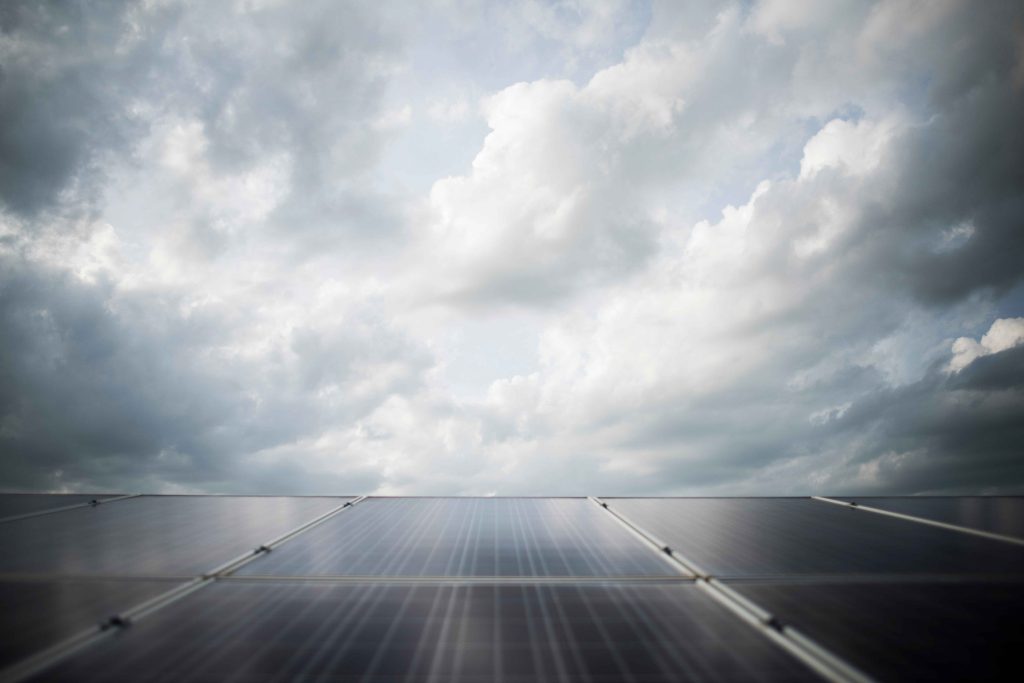
In recent years, the push for renewable energy has put solar power at the forefront of the conversation. Many homeowners and businesses are investing in solar panels to reduce their carbon footprint and energy costs. One common concern, however, is the efficiency of solar panels in less-than-ideal weather conditions. A frequently asked question is, “How do solar panels work in cloudy weather?” The answer might surprise you. Understanding Solar Panel Technology To understand how solar panels operate in cloudy weather, it’s essential to first grasp how they work. Solar panels are made up of many photovoltaic (PV) cells. These cells are responsible for converting sunlight into electricity. When sunlight hits the PV cells, it excites electrons in the cell, creating an electric current. This current is then harnessed and converted into usable electricity for homes and businesses. The Myth of Direct Sunlight A common misconception is that solar panels require direct sunlight to function. While it’s true that they operate most efficiently under direct sunlight, they can still generate electricity on cloudy days. PV cells can capture various wavelengths of light, including infrared and ultraviolet rays, which penetrate clouds more effectively than visible light. This means that even on overcast days, solar panels continue to work, albeit at a reduced capacity. Efficiency in Cloudy Conditions The efficiency of solar panels in cloudy weather depends on several factors, including the density of the clouds and the quality of the panels themselves. On average, solar panels can produce about 10-25% of their typical output on a cloudy day. This reduction might seem significant, but it’s worth noting that solar panels are designed to be more efficient than ever, with some modern panels being able to capture diffuse light very effectively. Technological Advances Advancements in solar technology have improved the performance of solar panels in low-light conditions. Bifacial solar panels, for example, can capture light on both sides, making them more effective in cloudy weather. Similarly, panels with high-efficiency photovoltaic cells, such as those made from monocrystalline silicon, tend to perform better in diffuse light conditions. Geographic Considerations Geography plays a crucial role in the performance of solar panels in cloudy weather. Regions that frequently experience overcast skies, such as the Pacific Northwest in the United States or parts of Northern Europe, have seen widespread adoption of solar energy despite their weather. Countries like Germany, which is not known for its sunny climate, are leaders in solar energy adoption, proving that solar power is viable even in less sunny regions. Energy Storage Solutions One way to mitigate the reduced efficiency of solar panels in cloudy weather is through energy storage systems. Battery storage allows excess energy produced on sunny days to be stored and used during cloudy periods. This ensures a consistent power supply regardless of weather conditions. Advances in battery technology have made these systems more affordable and efficient, making them a practical solution for many solar energy users. Economic and Environmental Benefits Despite the challenges of cloudy weather, the economic and environmental benefits of solar panels remain substantial. Solar power reduces reliance on fossil fuels, decreases greenhouse gas emissions, and can significantly lower energy bills. Even with reduced efficiency on cloudy days, the long-term savings and positive environmental impact make solar panels a worthwhile investment. Conclusion In conclusion, while solar panels operate most efficiently under direct sunlight, they are still capable of generating electricity on cloudy days. Modern advancements in solar technology, coupled with energy storage solutions, ensure that solar power remains a viable and effective source of renewable energy even in regions with frequent overcast weather. The myth that solar panels are ineffective in cloudy conditions is just that—a myth. Embracing solar energy, regardless of weather patterns, is a step towards a more sustainable and energy-efficient future. Whether you live in sunny California or rainy Seattle, solar panels can be a valuable addition to your home or business. The key is understanding how they work and leveraging the latest technologies to maximize their potential. So, don’t let a few clouds deter you from going solar. The benefits far outweigh the occasional cloudy day.

Transparent Solar Panels

How Do Transparent Solar Panels Work?

As the world shifts towards renewable energy, innovations in solar technology continue to emerge, offering exciting possibilities for integrating solar power into our daily lives. One such innovation is transparent solar panels. These advanced solar panels promise to transform windows, smartphone screens, and even entire building facades into sources of clean energy. But how exactly do transparent solar panels work? Let’s dive into the science and potential of this groundbreaking technology. The Basics of Transparent Solar Panels Traditional solar panels are designed to absorb sunlight and convert it into electricity. They achieve this through the use of photovoltaic (PV) cells, typically made from silicon, which generate an electric current when exposed to light. In contrast, transparent solar panels are engineered to allow light to pass through them while still capturing and converting some of them into usable energy. This unique capability opens up a world of new applications for solar technology. The Science Behind Transparent Solar Panels The key to transparent solar panels lies in their ability to selectively harvest the non-visible portions of the light spectrum, such as ultraviolet (UV) and infrared (IR) light while allowing visible light to pass through. This is achieved through the use of specialized materials and technologies: Organic Photovoltaic (OPV) Cells One approach to creating transparent solar panels involves organic photovoltaic (OPV) cells. These cells use organic molecules to absorb light and generate electricity. OPV cells can be engineered to selectively absorb UV and IR light, leaving visible light unimpeded. The organic materials used in these cells are typically lightweight and flexible, making them suitable for a variety of applications. Transparent Luminescent Solar Concentrators (TLSC) Another promising technology is the transparent luminescent solar concentrator (TLSC). TLSCs use organic salts that absorb UV and IR light and re-emit it at different wavelengths. This re-emitted light is directed towards the edges of the panel, where traditional solar cells convert it into electricity. The transparent nature of the luminescent materials allows visible light to pass through, making TLSCs nearly invisible to the human eye. Perovskite Solar Cells Perovskite solar cells are another cutting-edge technology being explored for transparent solar panels. Perovskites are a class of materials known for their excellent light-absorbing properties and high efficiency in converting light to electricity. By carefully tuning the composition of perovskite materials, researchers can create semi-transparent cells, selectively absorbing non-visible light while allowing visible light to pass through. Applications of Transparent Solar Panels The potential applications of transparent panels are vast and varied, offering exciting possibilities for integrating renewable energy into everyday life: Building Integrated Photovoltaics (BIPV) Transparent solar panels can be seamlessly integrated into the windows and facades of buildings, turning entire structures into solar energy generators. This concept, known as building integrated photovoltaics (BIPV), allows buildings to generate electricity while maintaining aesthetic appeal and functionality. BIPV can significantly reduce a building’s carbon footprint and energy costs. Consumer Electronics Imagine smartphones, tablets, and laptops with screens that double as solar panels. Transparent panels can be used to power these devices, extending battery life and reducing the need for frequent charging. This innovation could revolutionize the way we interact with and power our electronics. Automotive Industry The automotive industry is also exploring the use of transparent panels. Solar windows and sunroofs can provide additional power to electric vehicles, increasing their range and reducing reliance on external charging sources. This technology can also be used to power auxiliary systems in conventional vehicles, improving overall energy efficiency. Challenges and Future Prospects While the potential of transparent solar panels is immense, there are still challenges to overcome. Achieving high efficiency while maintaining transparency is a significant technical hurdle. Additionally, the long-term durability and cost-effectiveness of these panels need to be addressed before they can be widely adopted. However, ongoing research and development are steadily advancing the field. As technologies improve and economies of scale are achieved. Conclusion Transparent solar panels represent a remarkable leap forward in solar technology, offering a versatile and aesthetically pleasing way to harness solar energy. By capturing non-visible light while allowing visible light to pass through, these panels can be integrated into a wide range of applications, from building facades to electronic devices and vehicles. As we continue to innovate and push the boundaries of renewable energy, transparent solar panels will play a crucial role in our transition to a more sustainable future. With companies like Redington Solar at the forefront of these advancements, the day when our windows and screens power our lives may not be far off.

Blockchain Technology

How Blockchain Technology is Used in Solar Panels?

As the world accelerates towards a sustainable energy future, blockchain technology is emerging as a game-changer in the solar energy sector. Known primarily for its role in powering cryptocurrencies like Bitcoin, blockchain offers numerous applications beyond digital currencies, including its use in solar panels and renewable energy systems. At Redington Solar, we’re excited about the innovative ways blockchain is transforming the solar industry. Here’s a closer look at how blockchain technology is being integrated into solar panels and the significant benefits it brings. What is Blockchain Technology? Blockchain technology is a decentralized, digital ledger that records transactions across a network of computers in a secure and immutable way. Each block in the chain contains a list of transactions, and once added, the data cannot be altered or removed without consensus from the network. This feature ensures transparency, security, and trustworthiness, making blockchain a powerful tool for various applications, including solar energy. Applications of Blockchain in Solar Panels Enhanced Energy Trading Another great application of blockchain technology in solar panels is in peer-to-peer (P2P) energy trading. Blockchain allows homeowners with solar power to sell power to their neighbors or other consumers through P2P platforms. This system does away with the need for middlemen, cuts down on the costs of the transaction, and is a better way of trading renewable energy. These transactions are executed by smart contracts which are self-executing contracts whose terms are coded into the contract. Transparency and Security of Energy Transactions Blockchain technology increases the efficiency and reliability of energy transactions. Every transaction is documented on the blockchain, which makes it easy to track the generation and usage of energy. It assists in checking the sources of renewable energy, as well as checking on fraudsters and ensuring that the energy they are selling is indeed green. It also offers the consumer and the regulators accurate information that may be used for auditing and compliance. Improved Grid Management Blockchain can help to improve grid management by providing real-time information on supply and demand. In blockchain, the energy producers can record their contribution of energy and the grid operators can manage the grid’s operations in a better way. This integration aids in the management of renewable energy, minimization of losses, and the overall stability of the grid. Facilitating Microgrid Operations Microgrids are small-scale power systems that can either be connected to or disconnected from the main utility grid. Blockchain technology can help in the management of microgrids since it can be used to control energy transactions, schedule the distribution of energy, and monitor performance. This capability is especially useful for communities and organizations that require localized renewable energy systems to increase control and effectiveness. 5. Enhancing Renewable Energy Certificates (RECs) Renewable Energy Certificates (RECs) are tradable credits that represent proof of renewable energy generation. Blockchain technology can improve the management and tracking of RECs, ensuring that they are issued, traded, and retired transparently and securely. This ensures that the renewable energy claims are legitimate and helps foster trust among buyers and sellers in the market. Benefits of Blockchain in Solar Panels Increased Efficiency: By reducing the need for intermediaries and automating transactions through smart contracts, blockchain technology enhances the efficiency of energy trading and grid management. Enhanced Security: The decentralized and immutable nature of blockchain ensures secure and transparent transactions, reducing the risk of fraud and data tampering. Cost Savings: Eliminating intermediaries and streamlining transactions leads to lower transaction costs and increased profitability for solar energy producers. Greater Accessibility: Blockchain technology enables more individuals and communities to participate in the renewable energy market, promoting wider adoption of solar energy. Challenges and Considerations Despite its promising applications, blockchain technology in solar panels also faces challenges: Scalability: Blockchain networks can face scalability issues as the volume of transactions grows, impacting their efficiency and speed. Integration Complexity: Implementing blockchain technology requires integration with existing energy systems and infrastructure, which can be complex and costly. Regulatory and Legal Issues: The regulatory landscape for blockchain and energy trading is still evolving, and compliance with legal requirements is crucial for successful implementation. Conclusion Blockchain technology is revolutionizing the solar energy sector by enhancing energy trading, improving grid management, and ensuring transparency and security in renewable energy transactions. At Redington Solar, we are excited about the potential of blockchain to drive innovation and efficiency in solar panels and renewable energy systems. As technology advances and adoption grows, blockchain’s role in the solar industry will continue to expand, paving the way for a more transparent, efficient, and sustainable energy future.

Contact Us