Nov2023 Archives - Page 2 of 2 - Redington Solar

Nov2023

Maximize solar panel efficiency with our guide: How to Clean Solar Panels. Boost energy output & preserve investment. Read more.

How to Clean Solar Panels | Redington Solar

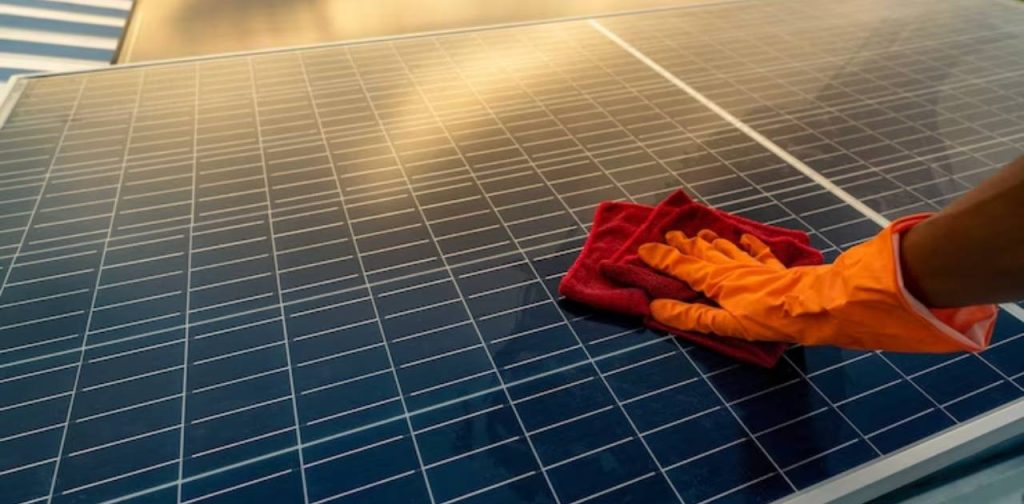
Solar panels are an excellent investment for both the environment and your energy bills. However, to ensure they operate at peak efficiency, regular cleaning is essential. Here’s a comprehensive guide on How to Clean Solar Panels. Why Clean Solar Panels? Dirt, dust, bird droppings, and other debris can accumulate on your solar panels over time. This layer of grime can block sunlight, reducing the panels’ energy production. Regular cleaning helps maintain their efficiency and prolong their lifespan, highlighting the Importance of cleaning solar panels. When to Clean Solar Panels? The frequency of cleaning depends on your location and the local climate. In dusty areas or places with heavy air pollution, you might need to clean the panels more often. A good rule of thumb is to check the panels every few months and clean them as necessary. Safety First Before you start, remember that safety is paramount. Solar panels are often installed in high places, so if you’re not comfortable with heights or if the panels are hard to reach, consider hiring a professional cleaning service. This is a crucial part of Cleaning solar panels safely. Cleaning Procedure Here’s a step-by-step guide on the Best way, “how to clean solar panels”: Gather Your Supplies: You’ll need a soft brush, a squeegee with a plastic blade, and a bucket of soapy water. Use a gentle, non-abrasive soap to avoid damaging the panels. Brush Off Loose Dirt: Use the soft brush to gently sweep away any loose dust and debris from the surface of the panels. Apply Soapy Water: Dip the squeegee in the bucket of soapy water and apply it to the panels. Be sure to wet the entire surface. Clean the Panels: Use the squeegee to clean the panels, working in a downward motion. Be gentle to avoid scratching the panels. Rinse and Dry: Rinse the panels with clean water and use a clean, dry cloth or let them air dry. Check the Panels: After cleaning, check the panels for any signs of damage. If you notice any issues, contact a professional for repair. Remember, the goal is to keep the panels clear of debris and dirt that could block sunlight. With regular cleaning, your solar panels will continue to provide clean, renewable energy for years to come. These DIY solar panel cleaning techniques will help you maintain your solar panels effectively. Happy cleaning!
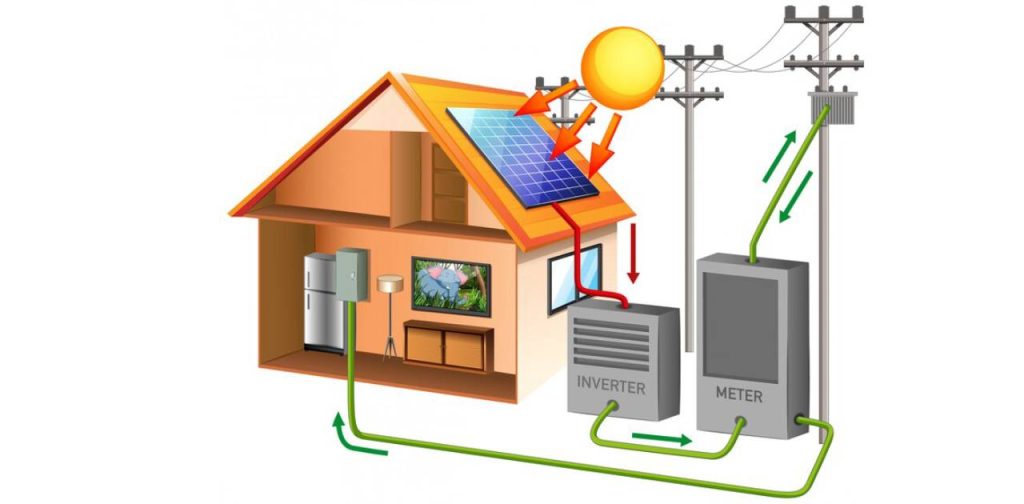
Rooftop Solar Panel Installation

Rooftop Solar Panel Installation | Redington Solar

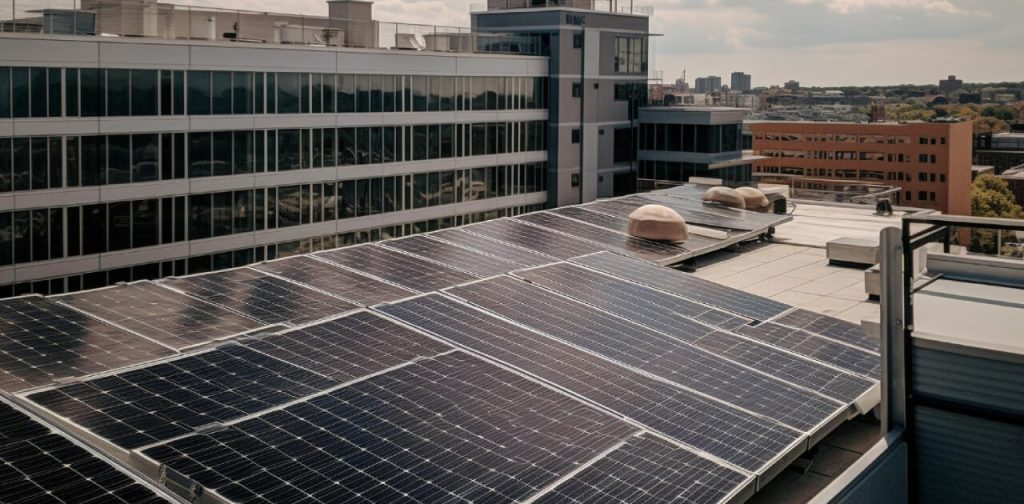
Solar energy is a sustainable and renewable source of power. This blog post provides a technical guide on how to set up solar panels on your rooftop or rooftop solar panel installation, ensuring optimal energy production and efficiency. Introduction Solar energy harnesses the power of the sun, converting it into electricity. This process involves the use of solar panels, which are typically installed on rooftops for maximum exposure to sunlight. Assessing Your Rooftop Before installing solar panels, it’s crucial to assess your rooftop’s suitability. Factors to consider include: Orientation: In the Northern Hemisphere, south-facing roofs are ideal for solar panel installation due to their exposure to sunlight. Roof Condition: The roof must be structurally sound to support the weight of the solar panels. Any necessary repairs should be made prior to installation. Shading: Any obstructions, such as trees or buildings, that could cast shadows on the solar panels and reduce their efficiency should be taken into account. Choosing the Right Solar Panels There are various types of solar panels available, including monocrystalline, polycrystalline, and thin-film panels. Each type has its own advantages and disadvantages, and the choice depends on factors such as budget, available space, and energy requirements. Rooftop Solar Panel Installation Process The optimal location for solar panels on a rooftop depends on several factors. These include the direction the roof faces, the angle of the roof, the amount of sunlight the roof receives throughout the day, and any potential obstructions such as trees or other buildings. In general, solar panels perform best when they are installed on a south-facing roof in the Northern Hemisphere, and a north-facing roof in the Southern Hemisphere. This is because the sun’s path across the sky is from east to west, but it is angled towards the south or north depending on the hemisphere. The angle of the roof, or tilt, also plays a crucial role. The ideal tilt for solar panels is an angle equal to the latitude of the location. However, angles between 15 and 40 degrees can also work well. Lastly, it’s important to consider potential obstructions. Shadows cast by trees, chimneys, or neighboring buildings can significantly reduce the efficiency of solar panels. Therefore, it’s crucial to choose a part of the roof that receives unobstructed sunlight for the majority of the day. Grid Connection After the solar panels are installed and operational, they need to be connected to the electrical grid. This allows for the export of excess power back into the grid, and the import of power from the grid when the panels aren’t producing enough electricity. Maintenance Regular maintenance is essential to keep the solar panels operating at peak efficiency. This includes cleaning the panels to remove dust and debris, and periodically inspecting the system for any potential issues. Conclusion Installing solar panels on your rooftop is a significant step towards a sustainable future. While the process requires careful planning and consideration, the benefits – both environmental and financial – make it a worthwhile investment.

Solar Energy for Refrigeration

Solar Energy for Refrigeration | Redington Solar

Introduction: In the pursuit of sustainable living, the integration of solar energy into various aspects of daily life is gaining traction. One area where this innovation is particularly impactful is refrigeration or Solar Energy for Refrigeration. The traditional reliance on electricity for cooling systems contributes to energy consumption and environmental strain. 1. Off-Grid Refrigeration: Traditional refrigeration units rely on a constant supply of electricity, often inaccessible in remote or off-grid locations. Solar-powered refrigeration systems offer a solution by harnessing energy from the sun to power cooling appliances. This is particularly beneficial in rural areas, during outdoor events, or in disaster-stricken regions where a reliable power source may be scarce. 2. Solar-Powered Refrigerators: Specialized solar-powered refrigerators are designed to operate efficiently with minimal electricity consumption. These units incorporate energy-efficient compressors and advanced insulation materials, maximizing the utilization of solar energy. They can be used in homes, commercial establishments, and medical facilities, providing a sustainable cooling solution. 3. Solar-Powered Ice Makers: Solar energy can be harnessed to power ice makers, crucial for preserving food and medical supplies in areas lacking reliable electricity. These solar ice-making systems utilize photovoltaic panels to generate power, enabling the production of ice without the need for a constant electrical supply. This innovation is particularly valuable in regions with inconsistent power grids or in disaster relief efforts. 4. Agricultural Cold Storage: Solar-powered refrigeration is transforming the agricultural sector by offering sustainable cold storage solutions. Farmers can use solar energy to power refrigeration units, preserving harvested crops and minimizing post-harvest losses. This not only ensures food security but also reduces the environmental impact associated with conventional refrigeration methods. 5. Mobile Solar Refrigeration: Solar energy is also making its mark in the transportation sector with mobile refrigeration units powered by solar panels. These units can be mounted on trucks or vans, providing a green alternative for transporting perishable goods. This is especially relevant in the food industry, where maintaining optimal temperatures during transportation is crucial for quality and safety. 6. Solar-Powered Vaccine Storage: In remote areas or regions with unreliable electricity, maintaining the integrity of vaccines is a significant challenge. Solar-powered refrigeration plays a pivotal role in ensuring the effective storage of vaccines, contributing to healthcare initiatives worldwide. This technology aids in preventing the spoilage of critical medical supplies and supports vaccination programs in underserved communities. Conclusion: Harnessing solar energy for refrigeration purposes is a promising avenue for sustainable living. The applications mentioned above highlight the versatility and adaptability of solar-powered refrigeration systems across various sectors, from agriculture to healthcare. As technology continues to advance, the integration of solar energy for refrigeration solutions not only promotes environmental conservation but also addresses the pressing need for reliable, off-grid cooling options worldwide. Embracing these innovations is a step toward a greener, more sustainable future.

Solar Off-Grid System

Solar Off-Grid System | Redington Solar

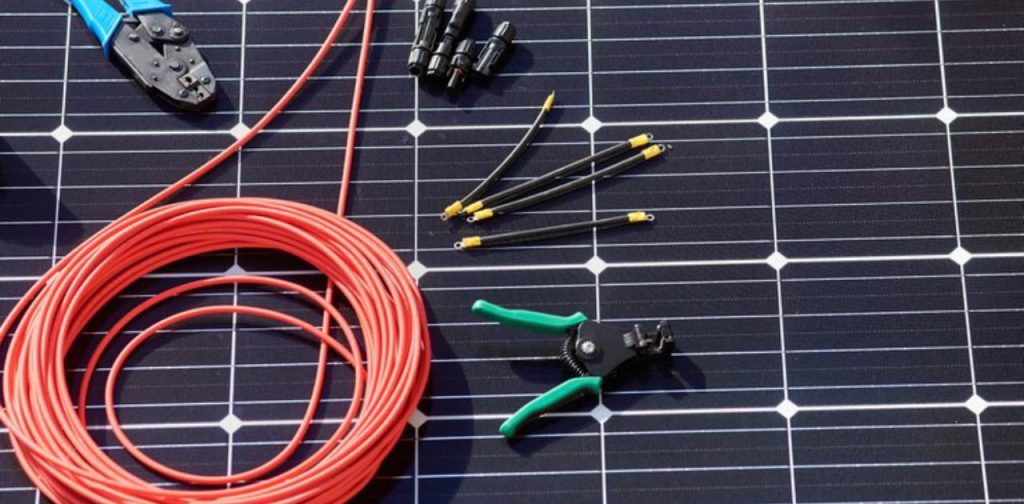
Introduction: In an era dominated by environmental concerns and escalating energy costs, the demand for sustainable and off-grid power solutions is on the rise. Among the most popular options is the solar off-grid system, providing a reliable and clean energy source. However, the intricacies of wiring can be daunting for many. In this comprehensive guide, we will delve into the wiring details of a solar off-grid system, ensuring a clear understanding for enthusiasts and DIYers alike. Understanding the Basics: Before delving into the wiring specifics, it’s crucial to grasp the fundamental components of a solar off-grid system: 1. Solar Panels: – Positioning and orientation are critical for optimal sunlight exposure. – Connect panels in series or parallel to achieve the desired voltage and current. 2. Charge Controller: – Regulates the charge to prevent overcharging and damage to batteries. – Connect the solar panels to the charge controller. 3. Battery Bank: – Stores excess energy for later use. – Connect batteries in series or parallel to achieve the desired voltage and capacity. 4. Inverter: – Converts DC power from the battery bank to AC power for household appliances. – Size the inverter appropriately to handle the total load. Wiring Components: 1. Solar Panel Wiring: – Use appropriate gauge wires based on the distance and current capacity. – Connect panels in series for higher voltage or parallel for increased current. – Connect the solar panel array to the charge controller 2. Charge Controller to Battery Wiring: – Use appropriately sized cables to minimize voltage drop. – Connect the charge controller to the battery bank, ensuring correct polarity. – Fuse the positive connection for added safety. 3. Battery Bank Wiring: – Connect batteries in series to increase voltage, or in parallel to increase capacity. – Maintain consistent cable lengths to ensure even charging and discharging. – Implement a battery disconnect switch for safety during maintenance. 4. Inverter Wiring: – Connect the inverter to the battery bank using appropriately sized cables. – Use a fuse or circuit breaker on the positive line to protect against overcurrent. – Connect the inverter’s AC output to the main distribution panel. 5. AC Distribution Panel Wiring: – Distribute AC power to various loads in your off-grid setup. – Label circuits and use appropriate wire sizes for each load. – Implement safety features like GFCI protection where needed. Safety Considerations: 1. Fusing and Circuit Protection: – Install fuses or circuit breakers at key points to protect against overcurrent. – Size fuses based on the wire’s capacity to prevent overheating. 2. Grounding: – Ground the entire system to protect against electrical faults. – Follow local electrical codes and guidelines for proper grounding. 3. Regular Maintenance: – Inspect and tighten connections regularly. – Monitor battery levels and replace batteries as needed. Conclusion: Wiring a solar off-grid system may seem daunting, but with a clear understanding of the components and careful attention to detail, it becomes an achievable and rewarding DIY project. By following the guidelines outlined in this comprehensive guide, you can embark on your journey towards energy independence, reducing your carbon footprint while enjoying the benefits of a reliable, off-grid power solution.

Please read these Terms of Use (“Terms”, “Terms of Use”) carefully before using the https://www.avlng.com website (the “Service”) operated by Aadhinandhi Ventures Ltd (“us”, “AVL”, “we”, or “our”). Your access to and use of the Service is conditioned on your acceptance of and compliance with these Terms. These Terms apply to all visitors, users and others who access or use the Service. By accessing or using the Service you agree to be bound by these Terms. If you disagree with any part of the terms then you may not access the Service. Accounts When you create an account with us, you must provide us information that is accurate, complete, and current at all times. Failure to do so constitutes a breach of the Terms, which may result in immediate termination of your account on our Service. You are responsible for safeguarding the password that you use to access the Service and for any activities or actions under your password, whether your password is with our Service or a third-party service. You agree not to disclose your password to any third party. You must notify us immediately upon becoming aware of any breach of security or unauthorized use of your account. Intellectual Property The Service and its original content, features and functionality are and will remain the exclusive property of AVL and its licensors. Links To Other Web Sites Our Service may contain links to third-party web sites or services that are not owned or controlled by Sun & Oak Consult Careers. AVL has no control over, and assumes no responsibility for, the content, privacy policies, or practices of any third party web sites or services. You further acknowledge and agree that AVL shall not be responsible or liable, directly or indirectly, for any damage or loss caused or alleged to be caused by or in connection with use of or reliance on any such content, goods or services available on or through any such web sites or services. We strongly advise you to read the terms and conditions and privacy policies of any third-party web sites or services that you visit. Termination We may terminate or suspend your account immediately, without prior notice or liability, for any reason whatsoever, including without limitation if you breach the Terms. Upon termination, your right to use the Service will immediately cease. If you wish to terminate your account, you may simply discontinue using the Service. All provisions of the Terms which by their nature should survive termination shall survive termination, including, without limitation, ownership provisions, warranty disclaimers, indemnity and limitations of liability. Disclaimer Your use of the Service is at your sole risk. The Service is provided on an “AS IS” and “AS AVAILABLE” basis. The Service is provided without warranties of any kind, whether express or implied, including, but not limited to, implied warranties of merchantability, fitness for a particular purpose, non-infringement or course of performance. Governing Law These Terms shall be governed and construed in accordance with the laws of Nigeria without regard to its conflict of law provisions. Our failure to enforce any right or provision of these Terms will not be considered a waiver of those rights. If any provision of these Terms is held to be invalid or unenforceable by a court, the remaining provisions of these Terms will remain in effect. These Terms constitute the entire agreement between us regarding our Service, and supersede and replace any prior agreements we might have between us regarding the Service. Changes We reserve the right, at our sole discretion, to modify or replace these Terms at any time. If a revision is material we will try to provide at least 30 days notice prior to any new terms taking effect. What constitutes a material change will be determined at our sole discretion. By continuing to access or use our Service after those revisions become effective, you agree to be bound by the revised terms. If you do not agree to the new terms, please stop using the Service. Contact Us If you have any questions about these Terms, please contact us.

Contact Us