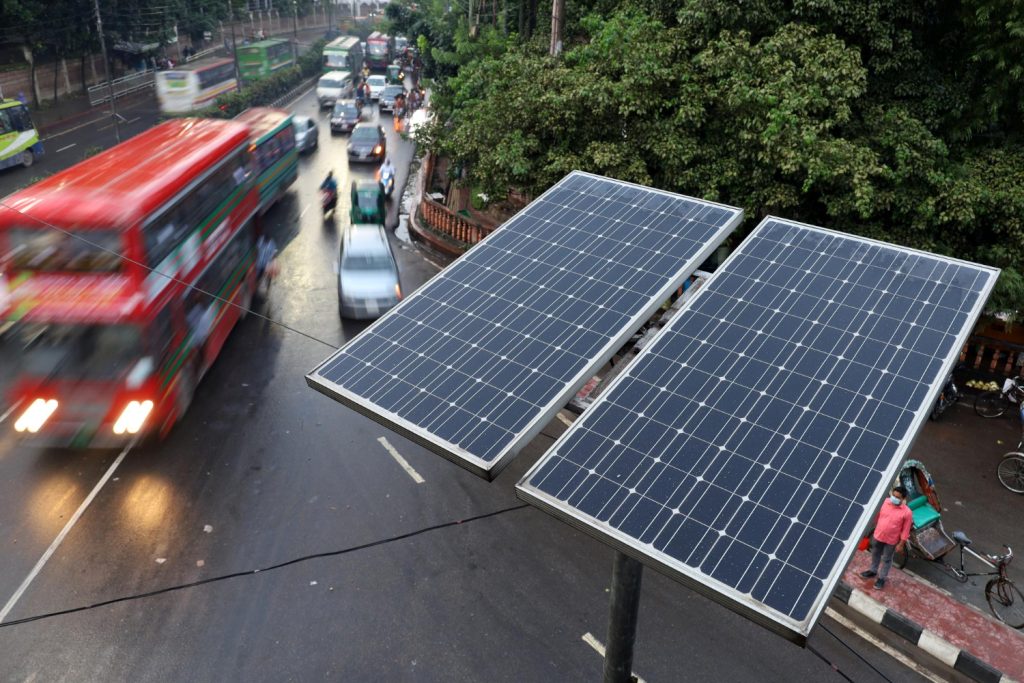
Solar power has been at the forefront of renewable energy trends in 2024, continuing its dominance in the sector. This dominance is largely due to significant advancements in solar technology and a global shift towards sustainable energy sources. Solar power in India in 2024 is thriving with robust government support, technological advancements, and increased adoption. This growth signifies India’s commitment to clean energy and contributes significantly to global sustainability efforts Government policies have played a significant role in promoting solar energy. Many countries have introduced incentives such as feed-in tariffs and tax credits to encourage the adoption of solar energy. These policies have accelerated the growth of solar energy and its dominance in the renewable energy sector. Technological Advancements The efficiency of solar panels will see a substantial improvement in 2024. The advent of perovskite solar cells and the development of bifacial solar panels, which can absorb sunlight from both sides, have contributed to this increased efficiency. These technological advancements have made solar energy a more viable and cost-effective option for both residential and commercial use. Solar Panel Efficiency: In 2024, solar panels’ average efficiency will be about 21%, leading to 10% more electricity per panel and an increased power rating. Perovskite Solar Cells: Researchers have developed mini solar modules using perovskite cells treated with Zn (OOSCF3)2, generating three times the power of conventional technology. Air-stable, Pb, and Sn-free perovskite solar modules have also been developed. Bifacial Solar Panels: These panels capture sunlight from both sides and are ideal for installations where the backside can capture reflected light. A new type that harvests indoor light energy from both sides has been developed. Cost-effectiveness: Despite temporary cost increases, the long-term trend of declining costs continues. The global bifacial solar panels market is expected to grow at a CAGR of 19.3% from 2024-2032. These advancements and statistics highlight the significant strides made in solar technology, making it a more efficient and cost-effective energy source. Reduction in Greenhouse Gas Emissions The impact of solar power dominance extends beyond the energy sector. It plays a crucial role in combating climate change by significantly reducing greenhouse gas emissions. Solar energy, being a clean energy source, does not emit harmful gases during operation. As more homes and businesses adopt solar energy, the global carbon footprint reduces, contributing to the mitigation of global warming. Carbon Footprint Reduction: Solar power, a clean energy source, can save 175-198 metric tons of CO2 per acre per year when replacing natural gas. Replacement of Fossil Fuels: Solar energy is expected to replace fossil fuels by 2050, with the sector growing at around 20% a year. Lifecycle Greenhouse Gas Emissions: Research shows that the carbon footprint of solar, wind, and nuclear power is much lower than coal or gas with CCS, even after accounting for lifecycle emissions. Global Shift Towards Sustainability: The global focus on net-zero emissions has intensified, with many countries and businesses setting rigorous sustainability goals and investing in renewable energy. Economic Impact The dominance of solar energy has also had economic implications. The solar industry has seen tremendous growth, creating numerous job opportunities in manufacturing, installation, and maintenance services. Furthermore, the cost savings from using solar energy have been beneficial for consumers, especially in regions with high electricity costs. Job Creation: The solar industry has been a major job creator. For instance, the Indian solar sector is expected to generate 300,000 jobs by 2022. In 2022, India added nearly 1 million renewable jobs, with utility-scale solar seeing an 83% increase in solar PV capacity. However, it’s worth noting that while annual installations of solar panels increased by nearly 60% between 2016 and 2021, the solar energy industry employed 11% fewer people in 2021 than it did five years earlier. This is due to improvements in the speed of solar system installations and technological advancements that allow solar panels to produce more electricity within the same physical footprint. Cost Savings: The average 6 kW solar panel system installed anywhere in the country will save you about $1,500 on your electricity bills annually. Solar panels save you money by replacing your electricity bill with lower monthly solar payments. Over time, the 25-plus year life of a solar system often adds up to tens or hundreds of thousands of dollars in energy cost savings. Moreover, investing in solar energy can significantly reduce the amount you pay each month for your utility bills. Some utility companies even allow you to sell any excess energy your panels produce through a process called net metering. Policy Support Indian Policies (2024): India’s National Solar Mission (NSM) aims to establish India as a global leader in solar energy. The mission’s objective aligns with India’s Nationally Determined Contributions (NDCs) target to achieve about 50 percent cumulative electric power installed capacity from non-fossil fuel-based energy resources by 2030. The Union Budget 2024-2025 allocated ₹19,500 crore to achieve the goal of 280 GW of installed solar capacity by 2030. The Ministry of Power has notified a year-wise trajectory of Renewable Purchase Obligations (RPOs), including Energy Storage Obligations till 2030. Through rooftop solarization, one crore households will be able to obtain up to 300 units of free electricity every month. Global Policies (2024): The International Energy Agency (IEA) reports that solar PV generation increased by a record 270 TWh (up 26%) in 2022, reaching almost 1,300 TWh3. This growth is expected to continue, especially in China, the United States, the European Union, and India. The IEA also states that the global renewables capacity could reach over 8,130 GW by 2028 with the implementation of existing policies and targets. The world’s capacity to generate renewable electricity is expanding faster than at any time in the last three decades, giving it a real chance of achieving the goal of tripling global capacity by 2030. Transformative period for solar power in India in 2024, characterized by rapid advancements and widespread adoption. Government initiatives, such as the National Solar Mission, continue to drive the expansion of solar capacity across the country. This