July2024 Archives - Page 2 of 2 - Redington Solar

July2024

Bifacial Solar Panels

Important Facts About Bifacial Solar Panels

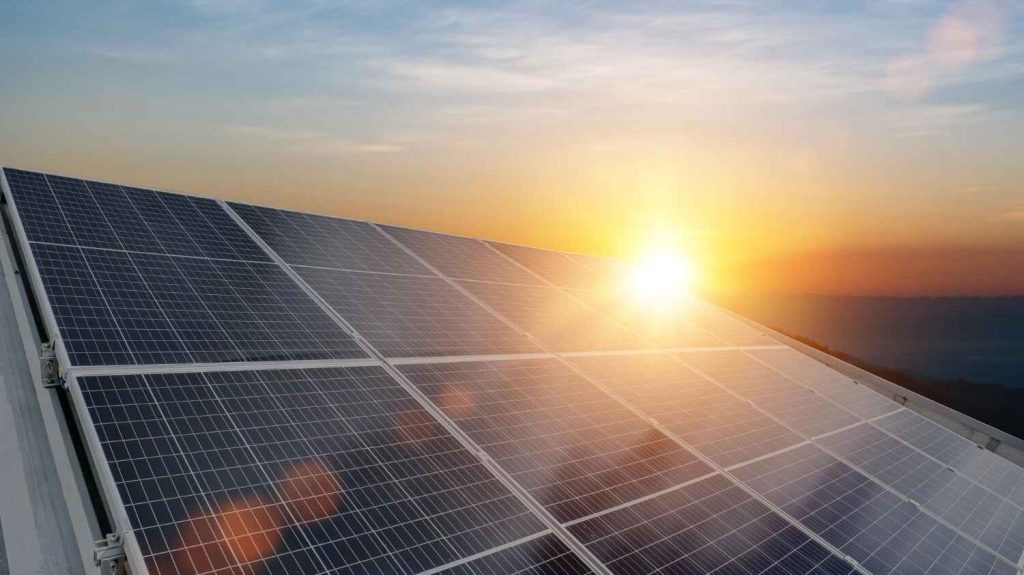
As the world moves towards sustainable energy solutions, solar technology continues to evolve, offering more efficient and innovative ways to harness the power of the sun. One of the most exciting advancements in this field is the development of bifacial solar panels. These panels capture sunlight from both sides, significantly increasing their efficiency and energy output. Here, we explore the key facts about bifacial solar panels and how they are revolutionizing the solar industry. What Are Bifacial Solar Panels? The bifacial solar panels work in such a way that they can capture light from both their top side and the back side, unlike the monofacial solar panels which capture light from the front side only. This dual-sided ability enables them to produce more electricity especially when installed in areas where light can bounce off including rooftops, ground, and water. How Do Bifacial Solar Panels Work? The operating principle of bifacial solar panels is that both faces of the panels are covered with transparent materials such as glass. The front side is exposed to direct sunlight while the back side is exposed to reflected light from the ground or any other surface. This design makes it possible for bifacial panels to be used in albedo, which is the extent to which a surface reflects light. Objects with high reflectivity, for example, white color of roofs, snow, or light-colored ground can greatly increase the efficiency of bifacial panels. Advantages of Bifacial Solar Panels Increased Energy Output Another major benefit that bifacial solar panels offer is the increased efficiency of power generation. These panels can gather light on both faces and can produce 30% more electricity than monofacial panels. Due to this higher efficiency, they are suitable for use in regions where space is a limiting factor and energy production is desired. Durability and Longevity Bifacial panels are usually manufactured using durable materials such as tempered glass on both faces, which increases the panels’ ability to withstand various forces of nature including wind, snow, and hail. It not only increases the durability of the panels but also minimizes the chances of damage for a longer period of use. Versatile Installation Options The bifacial panels can be installed in different ways due to the design of the panels. These can be installed on the roofs, on the floor, or vertically as part of the building envelope or fences. Due to their ability to capture reflected light, they can be installed in areas where normal panels cannot be placed. Improved Aesthetic Appeal With their sleek and modern design, bifacial panels can enhance the aesthetic appeal of a building or installation site. Their transparent back sheet allows for creative architectural integrations, making them an excellent choice for projects where visual impact is important. Applications of Bifacial Solar Panels Bifacial panels are suitable for a wide range of applications, from residential rooftops to large-scale commercial and industrial installations. They are particularly beneficial in the following scenarios: Rooftop Installations: In residential or commercial buildings with reflective surfaces, bifacial panels can significantly boost energy production. Ground-Mounted Systems: In open areas with high albedo surfaces, such as deserts or snowy regions, bifacial panels can maximize solar gain. Floating Solar Farms: Installing bifacial panels on bodies of water can take advantage of water’s reflective properties, enhancing energy output. Building-Integrated Photovoltaics (BIPV): Bifacial panels can be incorporated into building designs such as windows, facades, or skylights, providing both energy generation and aesthetic benefits. Challenges and Considerations While bifacial panels offer numerous benefits, there are also some challenges and considerations to keep in mind: Higher Initial Cost The initial cost of bifacial panels is generally higher than that of traditional monofacial panels. However, increased energy production and long-term savings can offset this higher upfront investment. Installation Complexity Installing bifacial panels requires careful consideration of site conditions and mounting systems to optimize their performance. Proper site assessment and installation expertise are crucial to fully realizing the benefits of bifacial technology. Performance Variability The performance of bifacial panels can vary depending on the installation environment and the reflectivity of the surfaces around them. Ensuring optimal conditions for maximum reflection is essential to achieving the desired energy gains. Conclusion Bifacial solar panels represent a significant advancement in solar technology, offering increased energy output, durability, and versatile installation options. As the demand for efficient and sustainable energy solutions grows, bifacial panels are poised to play a crucial role in meeting this need. At Redington Solar, we are committed to providing cutting-edge solar solutions that harness the full potential of bifacial technology. By understanding the key facts about bifacial solar panels, consumers and businesses can make informed decisions about their renewable energy investments, contributing to a greener and more sustainable future.

Perovskite Solar Cells

Innovation of Perovskite Solar Cells

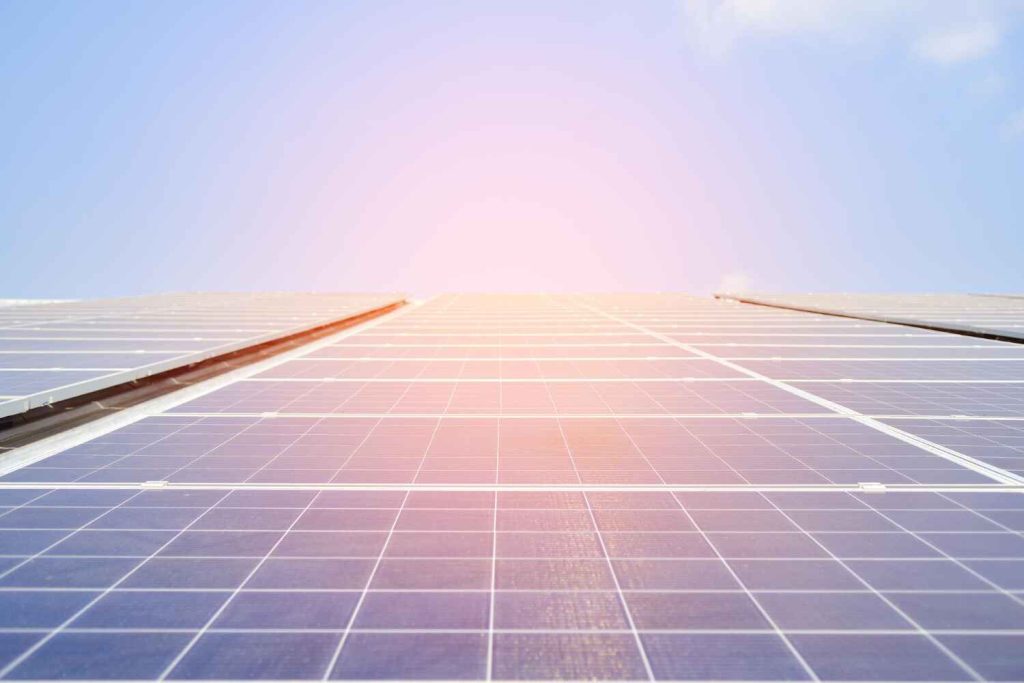
In the ever-evolving world of solar technology, perovskite solar cells represent one of the most exciting innovations. Named after a class of minerals with a similar crystal structure, these solar cells are making waves for their high efficiency, low production costs, and versatile applications. At Redington Solar, we’re thrilled about the potential of perovskite solar cells to transform the renewable energy landscape. Here’s an in-depth look at this groundbreaking technology and why it’s capturing the attention of scientists and industry leaders alike. What Are Perovskite Solar Cells? Perovskite solar cells are a type of photovoltaic technology that use a perovskite-structured compound as the light-absorbing material. This material typically consists of a hybrid organic-inorganic lead or tin halide-based compound. Named after the mineral perovskite, these cells have demonstrated remarkable efficiency in converting sunlight into electricity, often rivaling or even surpassing traditional silicon-based solar cells. Key Advantages of Perovskite Solar Cells High Efficiency The most attractive aspect of perovskite cells is that they have high efficiency. Since their emergence, such cells have demonstrated constant efficiency growth and have exceeded 25% in terms of laboratory indicators. This is as good as, and in some instances even better than, the traditional silicon-based photovoltaic solar panels. This is because the perovskite material used in their solar cells has better light absorption capability and the cells can harvest more sunlight than the silicon-based ones. Low Production Costs Perovskite cells are more advantageous in production costs compared to other types of solar cells. In contrast to silicon solar panels, the formation of perovskite cells does not involve high-temperature processing and the use of expensive materials, but solution-based methods. This not only lowers the cost of production but also allows for the creation of flexible and lightweight solar panels that can be implemented in a wide range of uses. Versatility and Flexibility The fabrication process of perovskite cells is more suitable for flexibility and variety in their use. They can be deposited onto any substrate, from flexible and transparent ones to some more complex ones, such as solar windows and wearable solar technology. This flexibility means that new opportunities for using solar energy in objects and surfaces of everyday life appear. Easy Manufacturing Process The methods employed in the processing of perovskite cells are relatively easier and less energy-consuming as compared to the methods used in silicon solar cells. This ease of manufacturing not only reduces manufacturing costs but also accelerates the process of creating and implementing new solar technologies. Challenges and Considerations Despite their promising advantages, perovskite cells face several challenges: 1. Stability and Longevity One of the primary concerns with perovskite cells is their long-term stability. The materials used in these cells are sensitive to moisture, heat, and UV radiation, which can degrade their performance over time. Researchers are actively working on improving the stability of perovskite materials and developing more durable encapsulation techniques to address this issue. 2. Environmental and Health Concerns Many perovskite cells use lead as a component, which raises environmental and health concerns. Efforts are underway to develop lead-free alternatives and improve the recycling processes for perovskite materials to mitigate these risks. 3. Scale-Up and Commercialization Scaling up the production of cells from the laboratory to commercial manufacturing is a significant challenge. Ensuring consistent quality and performance at a large scale requires overcoming various technical and economic hurdles. The Future of Perovskite Solar Cells The future of perovskite looks bright as ongoing research continues to address current challenges. Innovations in material science, manufacturing techniques, and environmental management are expected to further enhance the efficiency and durability of these cells. At Redington Solar, we are excited about the potential of perovskite technology to revolutionize the solar industry. By embracing and investing in these advanced solar solutions, we can drive the transition to a more sustainable and energy-efficient future. The innovation of perovskite solar cells is a testament to the remarkable progress in renewable energy technology, offering a glimpse into a future where solar power is more accessible, efficient, and versatile than ever before.

Solar Panels on Real Estate Prices

Impact of Solar Panels on Real Estate Prices

The real estate market is continually evolving, influenced by a myriad of factors ranging from economic conditions to emerging technologies. One such technological advancement that has gained significant attention is the integration of solar panels into residential properties. As homeowners and buyers become more eco-conscious, the impact of solar panels on real estate prices is becoming increasingly apparent. Let’s explore how solar panels affect property values and why they are considered a wise investment. The Growing Appeal of Solar Panels The shift towards renewable energy sources has led to a surge in the popularity of solar panels. These systems harness energy from the sun, providing a sustainable and cost-effective alternative to traditional electricity sources. The benefits of solar panels include: Reduced Energy Bills: Homeowners can significantly lower their electricity costs, making solar panels an attractive feature for budget-conscious buyers. Environmental Impact: Solar energy reduces reliance on fossil fuels, lowering carbon footprints and appealing to eco-friendly buyers. Energy Independence: Solar panels provide a measure of energy security, reducing dependence on the grid and protecting against rising energy prices. How Solar Panels Affect Property Values Research and market trends indicate that solar panels can positively influence property values. Here are several ways in which solar panels impact real estate prices: Increased Property Value: Homes equipped with solar panels often see an increase in market value. Studies suggest that properties with solar energy systems can sell for up to 4.1% more than comparable homes without solar panels. This increase is attributed to the perceived and actual savings on energy bills, making solar-equipped homes more desirable. Faster Sales: Properties with solar panels tend to sell faster than those without. Potential buyers are increasingly looking for homes with energy-efficient features, and solar panels are a key selling point. This can result in a shorter time on the market and quicker sales. Higher Appraisal Value: When appraising homes, assessors consider the value added by solar panels. This can lead to a higher appraisal value, benefiting sellers by providing a stronger bargaining position and potentially higher sale prices. Tax Incentives and Rebates: In many regions, installing solar panels comes with tax incentives and rebates. These financial benefits can make homes with solar installations more attractive to buyers, further driving up demand and prices. Factors Influencing the Impact While the general trend shows a positive impact of solar panels on property values, several factors can influence the extent of this impact: Location: The benefits of solar panels can vary by location. In regions with high electricity costs and ample sunlight, the value added by solar panels is more pronounced. Additionally, areas with strong environmental consciousness may see a greater demand for solar-equipped homes. System Quality and Size: The quality and capacity of the solar panel system play a crucial role. High-efficiency panels with a significant energy output add more value compared to smaller, less efficient systems. Age of the System: Newer solar panel systems are more appealing as they come with longer remaining lifespans and warranties. Older systems may require more maintenance and could impact the perceived value. Potential Challenges Despite the many benefits, there are some challenges to consider: Initial Investment: The upfront cost of installing solar panels can be substantial. However, the long-term savings on energy bills and the increase in property value often offset this initial expenditure. Market Awareness: Not all buyers may be fully aware of the benefits of solar panels. Educating potential buyers on the advantages can help maximize the value added by a solar installation. Conclusion The integration of solar panels into residential properties is a trend that is gaining momentum, driven by the dual benefits of financial savings and environmental sustainability. The impact of solar panels on real estate prices is largely positive, with homes equipped with solar energy systems seeing increased property values, faster sales, and higher appraisal values. As awareness and adoption of renewable energy continue to grow, the value of solar panels in the real estate market is likely to become even more significant. For homeowners looking to sell, installing solar panels can be a wise investment that pays off both financially and environmentally. For buyers, choosing a home with solar panels offers long-term savings and contributes to a greener future. With the support of companies like Redington Solar, homeowners can seamlessly transition to solar energy, enhancing their property’s value and making a positive impact on the planet.

Contact Us